Passionate about helping children living in poverty. I am a children's book author & social worker. Proverbs 16:24
Author: crinamorpho
I am deeply passionate about working with vulnerable children, adults, and their families, with a focus on education, parenting, mental health, and wellbeing, as well as empowering people to begin their own personal journeys and find their path in life. I grew up in a disadvantaged family, and that experience shaped who I am today, giving me resilience and a strong sense of purpose in this amazing world we call home. My journey has led me to this path, and sharing my lived experiences is my way of encouraging others to believe in themselves and put their faith in God. Even in the darkest moments, there is always a light at the end of the tunnel. This is what I am passionate about, and what I continue to build through my work and my writing.
Physical development is an important area of child development that includes children’s physical growth.
Physical activity is vital from birth and develops not only the body, but minds and emotions too.
P.D. involves providing opportunities for young children to be active and interactive; and to develop their co-ordination, control and movement. Children must also be helped to understand the importance of physical activity, and to make healthy choices in relation to food (eyfs).
The department of Health says, children should have at least 3 hours of physical activity, spread out over a day. This doesn’t mean three hours of planned activities, as every movement a child makes, is included, and they move a lot.
Physical Play allows children to understand why being physical and moving around is good for health.
P.P. can help children develop confidence, social interaction with their peers, friendship, control and balance, and also allows children to discover their own bodies ( sweating, redness, fast heart beat, fast breathing, tiredness).
For babies (children under 2) physical activity consists of playing and rolling, they can reach the objects, pull. hold, push.These experiences help use muscles and develop motor skills.
How to introduce P.D to children?
Gross Motor Activities – Talk about the fun of skipping, jumping, climbing, running, rolling. These will help the child to be active during the day. Obesity is a main problem in our days, so keep ypur child involved and active in different activities which promote Physical health.
Fine Motor Activities Give the child opportunity to enjoy these activities; cutting, drawing, holding, pressing, twisting, threading.
I used to raise funds around Christmas time for poor children in Romania, but I wanna do more for them, like they need food every day, not just in December, right?
One of the goals, when I create the blog was (and still is) to help poor children, to raise a concern and to gather people around the same subject, I know and believe that a team can do better than one person. Together let’s feed kids in poverty.
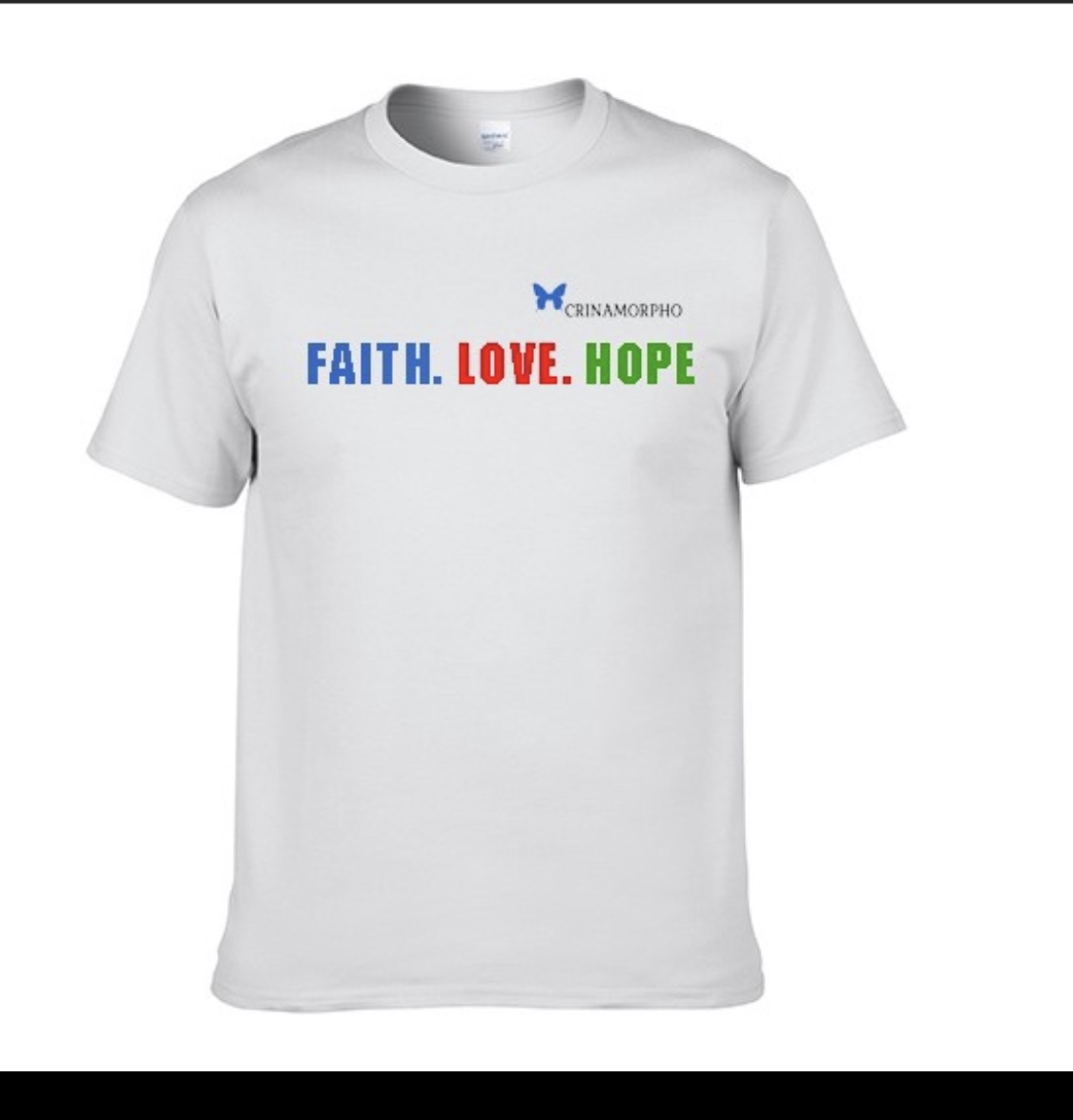
T-shirt FAITH. LOVE. HOPE
T-SHIRT made from 100% cotton. Good quality! Perfect to be a GIFT. Available sizes XS, S, M
25% is donated to poor children in Roumania, we will buy food for them, pictures to come!
When I was a child, I used to like playing with the dolls, but my favourite activities were outdoor with my friends, we used to play a lot of pretend play, my favourite game was to be a reporter, and a saleswoman (girl). I had a lot of money (leafs). We didn’t had many toys as my family was struggling financially. But I am not upset though.
Now let’s talk about the hundreds of toys kids have in these days…can we count it, if you are a parent, just try to count your children’s toys. How many, too many?
Well, I work in a nursery and our kids have a lot of toys too, but sometimes I have observed that they just do wanna play with the toys, but instead they find a cup, stick, spoon, a leaf more interesting.
I know you love your child so much and you want to make them happy, and sometimes it’s easy to make the kids happy, just by buying a toy, but that joy lasts an hour or less. I was an AU PAIR for a family with a 5 years old boy, they were wealthy and they bought a lot of toys for that child, every week there was a brand new toy, Lego, in his hands, do you know how long that child played with the toy, Lego? 1 day, and that was it. The parents spent hundreds of £ practically for a moment of ”new toy happiness”.
Let’s imagine we going in the playroom now, what can you see? Lego everywhere, toys spread all over the floor?
Now is the moment to CLEAN that room. Ask your child what toys are his favourites and which ones he wants to donate to poor children, is the perfect time to teach the child about compassion, giving, sharing. So the ones he/she can give up just donate it and keep the ones they want to play with.
Fewer toys can encourage more creative and imaginative play. When children have fewer toys, they find ways to use them in creative way. Quality and fewer toys are the solution for that messy playroom.
Surveys have shown that a typical child owns 238 toys in total but parents think their child plays with just 12 favourites on a daily basis.
Toys are really good, it helps with their development. But what if instead of buying a new toy we propose to the child an outdoor activity?
What is poverty, how is like to live all your childhood in the poverty, what opportunities has a person once reached the adulthood, what can we do to help poor children?
Poverty is a state condition in which a person or community lack the financial resources and essentials for a minimum standard of living. Poverty means that the income level from employment is so low that basic human needs can’t be met. Poverty-stricken people and families might go without proper housing, clean water, electricity, food, medical attention, and so on.
Living in poverty like a child is really sad, they might have a sense of hopeless about their future than their more affluent peers. Low income, poor quality housing, debt put children’s mental health at risk.
Imagine the child wakes up in the morning, in a tiny house with no running water, heating, bathroom, electricity, kitchen, no food in the fridge. Just a small room, 1 bed, 1 stove, and nothing else, but that child is preparing to go to school with no breakfast, uniform or not knowing when the next meal comes from. Isn’t this sad? I know people living like this, I used to live similar conditions, but God had his plans for me and my family.
Living in poverty can effect a child in all areas like education, health, personal development. If the child doesn’t have the luck of having good parents, like the ones who understand the importance of education, that child most probably will drop out the school,so the child needs someone who is ready to help him, encourage and send him to school. I have seen in many poor communities this kids of problem, kids dropping out the school and getting married (early marriage), a child which is 13 can give up to school and form a family, so the poverty circle never ends. This is one of the reasons I want to raise a concern about it. The power of example in this communities is strong, children thinks that is normal and they should do the same like others.
Children having children is blossoming,once this, many more problems comes like child abuse, domestic violence, poverty.
Sometimes in these communities comes people ready to help, improve their conditions and give opportunities, some families are ready and open for it, some are not interested. But if you can save 1 child from 100, for me is like gold, means a lot.
I am trying my best to be able, in the future to help poor children, they need a hand of help, they need someone who cares about them. Helping a child to go to school, or to feed, improve living conditions is like saving a life.
About this subject I can talk, write a lot. I can relate to it. My parents used to neglect us sometimes, neglecting is a trauma. But shall we let the trauma affect our lives? I did not, I understood my parents actions.
When you are a child, the parents are the ones that should raise your in a healthy, caring, loving way. But what can a child do if the parent, carers, exposes him/her to some forms of abuse, trauma? Well, here comes the adults which are in contact with the child, they should be the heroes in cases of abuse (social workers, health visitor, teachers, etc).
Childhood trauma affects self image – According to psychology today, one of the most devastating impacts of childhood trauma is the effect it has on self-image. Adults who experienced significant trauma as children are more likely to develop a pattern of victimised thinking. Adopting this ideology is incredibly dangerous, as the way people perceive themselves impacts their words, choices, careers, opportunities and relationships. Individuals who genuinely think the world is out to get them will inevitably attract situations and people who reinforce these beliefs, regardless of how incorrect they may be.
I am thinking about the children who lived in a orphanage, their self esteem is so low. I used to work with kids in orphanages and they had some sad stories about the way they were treat there. Some of them experienced forms of abuse. I can just imagine while in adulthood they might have the same low self esteem or their lives to be totally changed in good. God can heal us of all our past, bad experiences and help us forgive and understand peoples actions towards us.
Their are 4 types of abuse ( physical, sexual, emotional, neglect). Some kids experience this types of abuse, and usually happens in family, but family should be LOVE, isn’t it?
If you experienced trauma, abuse in your childhood and now you have anxiety, depression, feel like worthless, just give all to God and HE is ready to heal and love you unconditionally.
If you are a parent, love your kids and treat them with care, compassion, you have to power to model the child today for tomorrow’s adulthood.
PSALM 51:10 – Create in me a pure heart o God, and renew a steadfast spirit within me.
What is gold?
Gold – a precious metallic element, highly malleable and ductile, and not subject to oxidation or corrosion.
We using the expression ” he/she has a heart of gold” which means that we want to point out what a good person someone is. It is a strong compliment with a very positive connotation. It comes from the idea of gold being a precious metal that is highly valued. The use of this idiom dates back at least to the 1400.
In the bible the word heart is mentioned 752 times. In genesis 6:6 says ” And the Lord regretted that He had made man on the earth, and it grieved him to his heart”. This shown that God feels emotions, our hearts are abundance of emotions.
What is grace, and how we can give grace to children?
GRACE – receiving a blessing you didn’t earn and don’t deserve
I love the meaning of God’s grace- We deserved punishment but God offered us grace, mercy. He gave His son for us at the cross.
Ephesians 2:8-9
I think a parent gives the children grace after grace everyday. Just think about it (if you have a child), let’s say the child broke a vase, would you scream and punish your kid? No, instead you give forgiveness and love, using nice words with your kid. This is grace. If you want the child to have mercy and to learn the grace of God, show it to them, usually kids learn by observing, kids are very much like sponges, soaking up the experiences they have each and every day.
Here are some ideas/activities for the parents to do with their kiddos.
Teach them about the grace – Read a bible story, for example the the story of prodigal son.
Show them grace – try to understand the reasons behind the actions. Be there, the children needs parents presence, talk with them, love them unconditionally, teach them the right from bad
Talking with kids about grace is so important and wise. Just imagine when that child will grow up, he/she will offer grace to other people, they will be kind, ready to forgive, compassionate and ready to help.
I studied social work and I remember the teachers talking about the types of parenting, also recently I have done some online courses about childcare, briefly these types were mentioned.
What are they and how they are affecting the children?
Most probably if you are a parent, you can identify your style, or if you are not a parent, like me, we can identify our parents style. Parenting style has a big impact in child life.
Authoritarian– STRICT, this style is about being strict, it’s about the rules. Parents with an authoritarian style have very high expectations of their children, yet provide very little in the way of feedback. If a child does mistakes, most probably they will be punished and sometimes the authoritarian tends to abuse the child in a physical way.
characteristics of authoritarian parents:
They have little to no patience for misbehaviour. Authoritarian parents expect their children to simply know better than to engage in undesirable behaviour.
They don’t give children choices or options
They don’t express much warmth or nurturing
The children of authoritarian parents tend to exhibit these effects:
They associate obedience with love
Some children display aggressive behaviour outside.
Some children may act shy around others
Children often have lower self-esteem.
Permissive Parenting – Avoids confrontation, they wanna be friend instead of parent, they use rewards or a bribe in order to get the child to do what they wanna do. They rarely discipline their child, there are no rules to follow. Instead of setting rules, they try to prevent problems from happening, they choose to let their child to figure things out for themselves.
Characteristics of permissive parenting:
Emphasise their children’s freedom rather than responsibility
Ask their children’s opinions on major decisions
Are usually very loving towards their kids.
The children of permissive parents tend to exhibit these effects:
poor academic performance and behavioral problems.
Display more aggression and less emotional understanding
they lack motivation, discipline. Also the kids are more likely to engage in underage alcohol, smoking use.
Authoritative Parenting – This type has high standards, expectations. But is balanced with respect, warmth, encourage independence. They are responsive to the child’s emotional needs while having high standard. They might set limits, rules and are very consistent in enforcing boundaries. This Type has been shown to be the best way in treating and raising your child because it leads to the best outcomes in child like better social skills, emotional health, the kid is more secure and attached to their parents.
Characteristics of authoritative parenting:
Leads to development of a cooperative/friendly structure where the child’s spontaneous initiations is encouraged.
They encourage, support, and are sensitive to needs
Creates family unity through compassion, inclusion and respect.
Gives child plenty of affection which result in a sociably child, happy and ready to recognise peoples emotions and also to help them.
The children of authoritative parents tend to exhibit these effects:
Compassionate with others
happy, loving and caring person
Trustworthy, respectful
Confident in abilities. Capable and involved.
Uninvolved/Neglectful parenting – This type is the most harmful of all. Unfortunately because of circumstances in their life, like divorce, drugs, poverty, or sometimes just because they chose to. Sometimes dads can have this style when they do not have a presence in their child’s life, and this can be really damaging. I am praying to God for the children with this type pf parenting.
Characteristics of neglectful parenting:
No affection or guidance given to the child
Likely a substance abuser
Lacks emotional attachment to child
Don’t attend school events and parent-teacher conference
Offer little or no supervision
Do not plan children’s education, future.
Do not care about the child needs
Usually are not interested of sending kids to extracurricular activities.
The children of neglectful/uninvolved parents tend to exhibit these effects:
Low self-esteem, self-reliant. Forced to act mature even though he/she is a child.
Depressed, sad, lonely
No emotional connection between parent and child
The have a hard time forming relationships with other people.
Jesus once was a kid, He was born into this world.
1st verse: Colossians 3:20
“Children, obey your parents in everything, for this pleases the Lord.”
2. Proverbs 13:24
“Whoever spares the rod hates his son, but he who loves him is diligent to discipline him.”
Parents who choose to care for and discipline their children truly love them and wants the best for them.
3. Proverbs 1:8-9
“Hear, my son, your father’s instruction, and forsake not your mother’s teaching, for they are a graceful garland for your head and pendants for your neck.”
It’s so beautiful and amazing yo have a Mom and a Dad, and they to teach you right!
4. Matthew 18:2-4
“And calling to him a child, he put him in the midst of them 3 and said, ‘Truly, I say to you, unless you turn and become like children, you will never enter the kingdom of heaven. Whoever humbles himself like this child is the greatest in the kingdom of heaven.'”
to have eternal life with God, we must think like children. Be humble, believe, have faith!
5. Mark 9:36-37
“And he took a child and put him in the midst of them, and taking him in his arms, he said to them, ‘Whoever receives one such child in my name receives me, and whoever receives me, receives not me but him who sent me.’
Children are gifts from God himself. We should cherish and care for them as best as we can.
6. Exodus 20:12
“Honor your father and your mother, that your days may be long in the land that the Lord your God is giving you.”
7. Mattew 19:14
“Let the little children come to me, and do not hinder them, for the kingdom of heaven belongs to such as these.”
Copiii au fost mereu parte din viața mea, dar munca cu ei a început pe când aveam 5-6 ani, atunci s-a născut unul dintre frații mei, care sunt mulți la număr. No de atunci am fost dădacă, soră, prietenă, mami numarul 2.
Munca cu contract, plătită, am început la vârsta de 19 ani, eram babysitter pentru un băiețel de 1 an jumate.
De atunci am avut doar job-uri în domeniul educației, asistent social, mentor, voluntar la spitalul de copii.
Dar mereu am iubit bebelușii, iubesc să-i văd crescând, făcând primii pași, etc.
Am ajuns în Londra pe 6.10.2018, am fost timp de un 11 luni AU PAIR, pentru un băiețel de 5 ani, iar în prezent lucrez ca educatoare la o grădiniță unde avem copii cu vârste cuprinse între (10 luni-2 ani). Acolo sunt 2 bebeii, ambii de 12 luni, și ambii sunt în grija mea, cum se zice aici sunt their key worker. Practic sunt responsabilă de dezvoltarea, îngrijirea și oferirea de oportunități de calitate în funcție de nevoile lor.
Așadar, de când muncesc în Londra, sunt în continuie învățare pe partea de dezvoltare, îngrijire, educație a copiilor.
Astăzi vreau să împărtășesc cu voi din cursul”de ce mușcă copiii”
Copiii încep să experimenteze mușcatul în jurul vârstei de 1 an, și se opresc, cel mai probabil la 3 ani.
În primul rând trebuie să înțelegem faptul că a mușca este parte din dezvoltarea lor. Atunci când copilul mușcă el știe, se așteaptă la o reacție înapoi, fie de la părinte ori copilul mușcat.
Copiii de multe ori găsesc comunicarea verbală dificilă, prin urmarea comunicare verbală dificilă=mușcătură.
MOTIVE
1.Frustrea de a comunica
Dacă ei nu pot acapara atenția unui copil,, sau acel copil se compoarta într-un fel ne dorit de celalat copil, cel mai probil copilul nostru îl va mușca.
2. Stare de anxietate
Dacă un copil este îngrijorat de ceva, atunci prin mușcătură copilul se eliberează de acel sentiment.
3.Foamea și oboseala
Dacă îi este foame și se simte obosit, uneori aceste doua duc la a mușca din frustrare.
4. Dentiția
Dentiția sau durerea de dinșișori poate cauza durere și discomfort, prin a mușca ceva sau a aplica presiune pe gingii poate reduce din durere. prin urmare se recurge la mușcătură.
5. Caută atenție din partea adulților
Prin faptul că mușcă, primește atenție din partea tuturor care sunt în jur, de la adulții terifiați, la copii șocați.
Unii copii doar vor atenție, fie că o vor câștiga în mod negativ sau pozitiv. Mușcătura serveste scpoul.
Sunt încă multe motive. Dar haideți să vedem cum putem intervenii, înțelege copilul care recurge la mușcături.
Învățându-i că este greșit: Când copilul a recurs la mușcătură, folosește cuvinte simple dar solide, încercă ”asta e o mușcătura, e gresit”, sau ”NU”. Dacă vă aflați într-un grup, luați copilul deoparte și vorbiți cu el despre situația creată, explicați-i că îi poate rănii pe ceilalți, și de ce nu îti place ca el să facă asta.
Ocupă-i timpul cu o carte, jucărie sau activitate iubită de el/ea – Scopul este de a reduce tensiunea și dea schimba atenția copilului.
Învățându-i să împărțească – Luați un timer pentru a da copiilor o imagine vizuală despre timp, setași un timp și comunicați cu copilul căt timp are pentru a se juca cu acea jucărioară, asta dacă aveși mai mulți copii, sau vă aflați într-o grădiniță, școală. De obicei este nevoie să setăm timp pentru aceea jucărie populare ce o vor toți, așadar dămoportunitatea tuturor copiilor de a se bucura de jucărie. A împărți este cea mai comună cauză ce declanșează mușcăturile. Un sfat, mereu luați 2 sau mai multe exemple de aceeași jucărie dacă lucrați într-o grădiniță, astfel nu se creează discomfort, plânsete, supărare între ei.
Dacă bebelușul a început perioada de dentiție, cel mai benefic este să-i cumpărați jucării pentru dentiție, seara o puteți depozita în frigider ca mai apoi în timpul zilei să-o oferiți rece (nu înghețată), deoarece rece alină din discomfort.
Vă rog să îmi scrieți în comentarii, dacă a trecut copilul Dumneavoastră prin această perioadă, și cum v-ați simțit, gestionat situația?
I have to admit that first time I heard and learn this word was in my first year of University, while I studied social work.
I think is something amazing and kind to have empathy.
The standard definition for empathy is – ”Empathy is the ability to understand and appreciate another person’s feelings and experience”.
Empathy seems to have deep roots in our brains and bodies, and in our evolutionary history. Elementary forms of empathy have been observed in our primate relatives, in dogs, and even in rats.
So now, in my perspective empathy refers more generally to the ability of feeling the emotions of another person, but nor the desire to help.
COMPASSION!
What is compassion? Compassion motivates people to go out of their way to help the physical, mental, or emotional pains of another and themselves. This means to suffer together!
Compassion is being aware of others needs or interests and acting to help them. Being genuinely concerned for the welfare of others.
Like the bible verse says ”Therefore, as God’s chosen people, holy and dearly loved, clothe yourselves with compassion, kindness, humility, gentleness and patience, Colossians 3:12”.
Compassionate people usually display the following behaviours:
They are receptive to the demands of other and even anticipate them
They have good thoughts about others
They treat people well and do not expect a reward
Kind and helpful with the people around them
I love the word of compassion, wasn’t God compassionate with us? He was and He is!
He saw the suffering and He gave his only son for us. This is true love!
There really is no better declaration of compassion than the one Jesus made on the cross.
In Matthew 9:36 – When he saw the crowds, he had compassion on them, because they were harassed and helpless, like a sheep without a shepherd.
Jesus sees the needs and acts.
There are so many needs in world, we all experienced to be asked for money by kids, adults in the streets, well I do not encourage to give money, giving money means you encourage the person to beg and to continue doing it. But what if instead of giving money teach them how to earn money?
”Give someone a fish and you feed him for a day, teach a man to fish and you feed him for a lifetime”.
What I want to do is to help children continue going to school, build houses for poor families, invlving them in community work, helping each others is compassion!
Sustain me by buying this T-shirt, 25% is donated to poor families in Romania. And which better start is than starting with your own family.
Cotton T-shirt
HAVE FAITH. LOVE. HOPE
This T-shirt is available in sizes XS, S, M
Best gift for your loved ones around you!
FAITH- To have faith in someone or something is like we can rest and trust in someone or something.
Do we have doubts about the person we trust?
Well, depends, isn’t it?
Having faith in people is good. Myself for example, I had a lot of faith and trust in some people while enrolling to High School. I had started a new chapter in my life with the left foot, my parents decided to divorce, dad became an alcoholic and lived on the streets. So I had to move to dorm in college and have faith in some people I knew, they told me they will support, help and encourage me during my 4 years of college. This is trust and faith.
Through these years my faith wasn’t wrong, these people helped me out and I finished the college.
Faith in God is different than faith in people. If we have faith in is amazing and trusting. Romans 10:17 ”Faith in God is trust HIM, based on a true understanding of who He is.
T-shirt with FAITH. LOVE. HOPE
The T-shirt is made from cotton, comes in sizes XS, S, M.
A perfect gift with a noble cause. Amazing words, amazing people!
25% is donated to poor children in Romania
£25.00
LOVE – Such a strong word, I LOVE the word of love. God loves us with unconditional LOVE. For God doesn’t matter your sins, your past, He just LOVES us.
He loves us and we also love Him and the people around us. Love each other as I have loved you, John 15:12.
Now, I love kids, babies,my siblings,my future husband an so on.
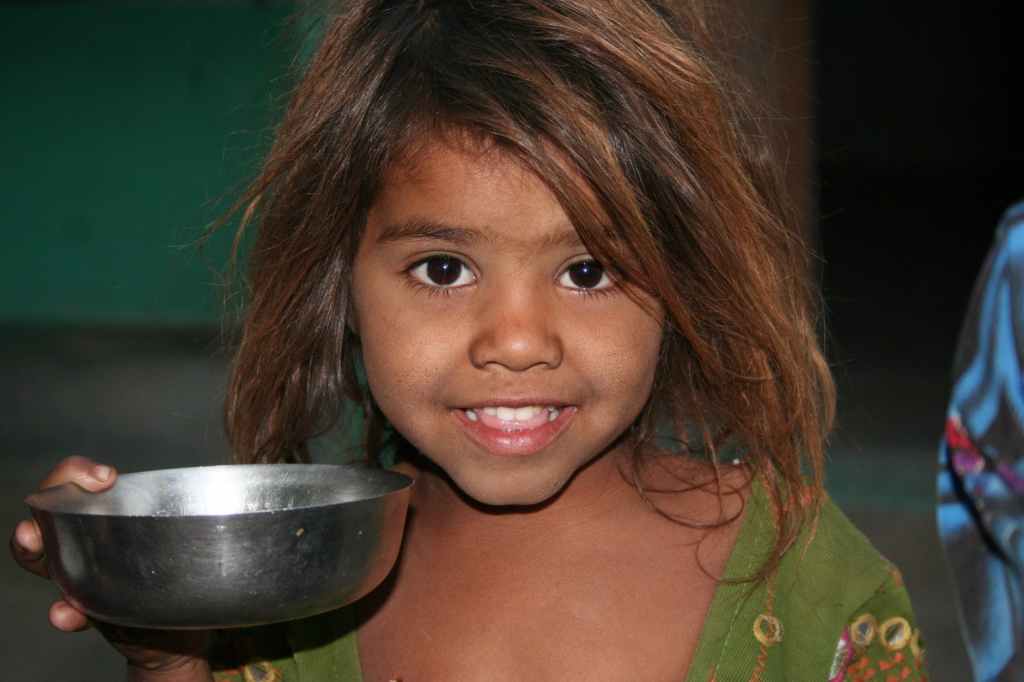
Also I love poor children, I love seeing their innocent smile. Because I care about them, and I understand their needs, I want to sustain their education, often poor kids drop out of school. Poverty is the main reason.
God says to love people and do good for them, we do not want to discriminate based on religion, age, race, gender. Love is care.
HOPE- Amazing word. Hope is a fundamental component of the life of the righteous.
Bible verses about hope:
Romans 8:24-25, Hebrew 11:1
HOPE IS WHAT WE BELIEVE IN AND CANNOT BE SEEN,LIKE GOD. WE have hope he is there, we believe and know in our hearts.
crinamorpho.wordpress.com
T-shirt with FAITH. LOVE. HOPE
The T-shirt is made from cotton, comes in sizes XS, S, M.
A perfect gift with a noble cause. Amazing words, amazing people!
25% is donated to poor children in Romania