Being a Mommy… what does it mean?
For me it means:
Blessings
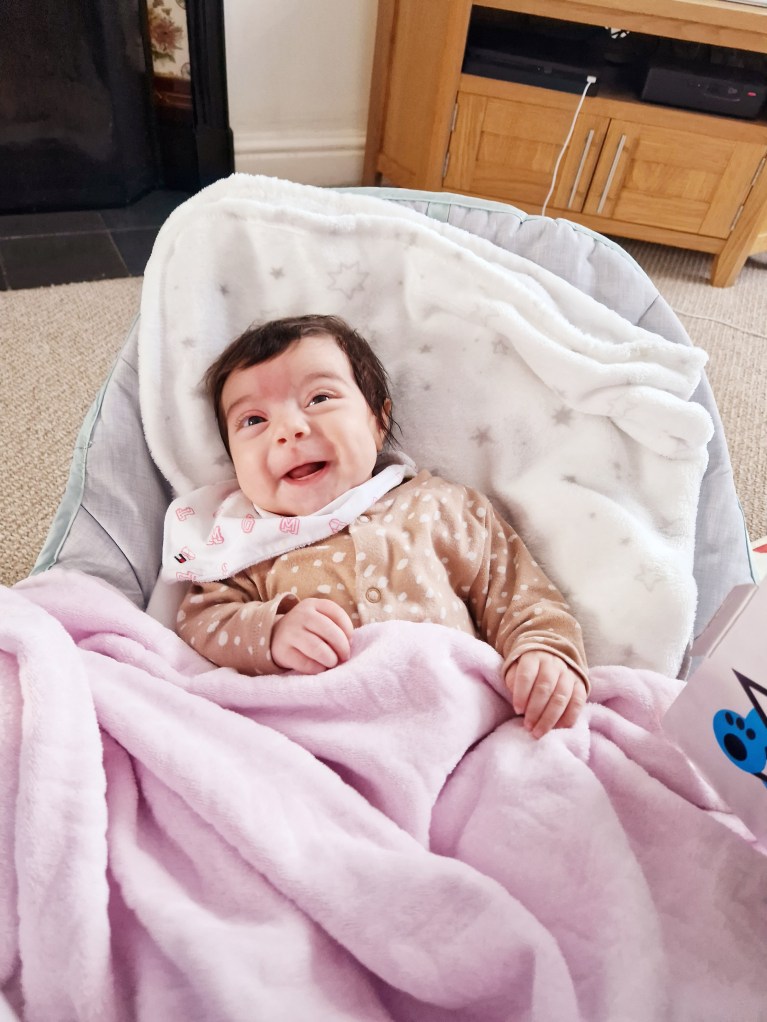
Happiness
Joy
Scared
It teaches me new things, opens my mind
Tiredness
Love
Confusion
Loving ❤️ unconditionally
And so much more…
Happy Monday 😊
Passionate about helping children living in poverty. I am a children's book author & social worker. Proverbs 16:24
Being a Mommy… what does it mean?
For me it means:
Blessings
Happiness
Joy
Scared
It teaches me new things, opens my mind
Tiredness
Love
Confusion
Loving ❤️ unconditionally
And so much more…
Happy Monday 😊


Cred cu tărie că sunt mulți părinți care au observat la un moment dat cum copilul lor nu apreciază ceea ce au. Cu căt le cumpără și oferă mai multe cu atât disprețuiesc ceea ce au.
Primul pas este chiar acesta, de a conștientiza atitudinea copilului tău și a recunoaște că nu este corectă.
De obicei găsim atitudini nemulțumitoare in familiile cu o stare financiară peste medie, părinții care oferă totul pe tavă copiilor lor fără a-i învăța arta aprecierii.
Cum putem schimba situatia?
Un copil mulțumitor și plin de bunătate va fi un adult responsabil și plin de generozitate!

What is positive parenting?
Positive parenting builds healthier relationships between parents and their children. It gives the parents the tools they need to use at the right time, is also focused on developing a strong committed bond with the children based on respect and communication.
Some studies show that children with parents that care and take the parenting classes are much happier and open to talk about their problems with their parents.
Being a positive parent means:
To set boundaries
To be responsive
To care and to act
To prioritise the time you spent with children
Be honest
Listen
Be a good role model#
And the list can continue.
If you need help with you parenting styles, let me know.
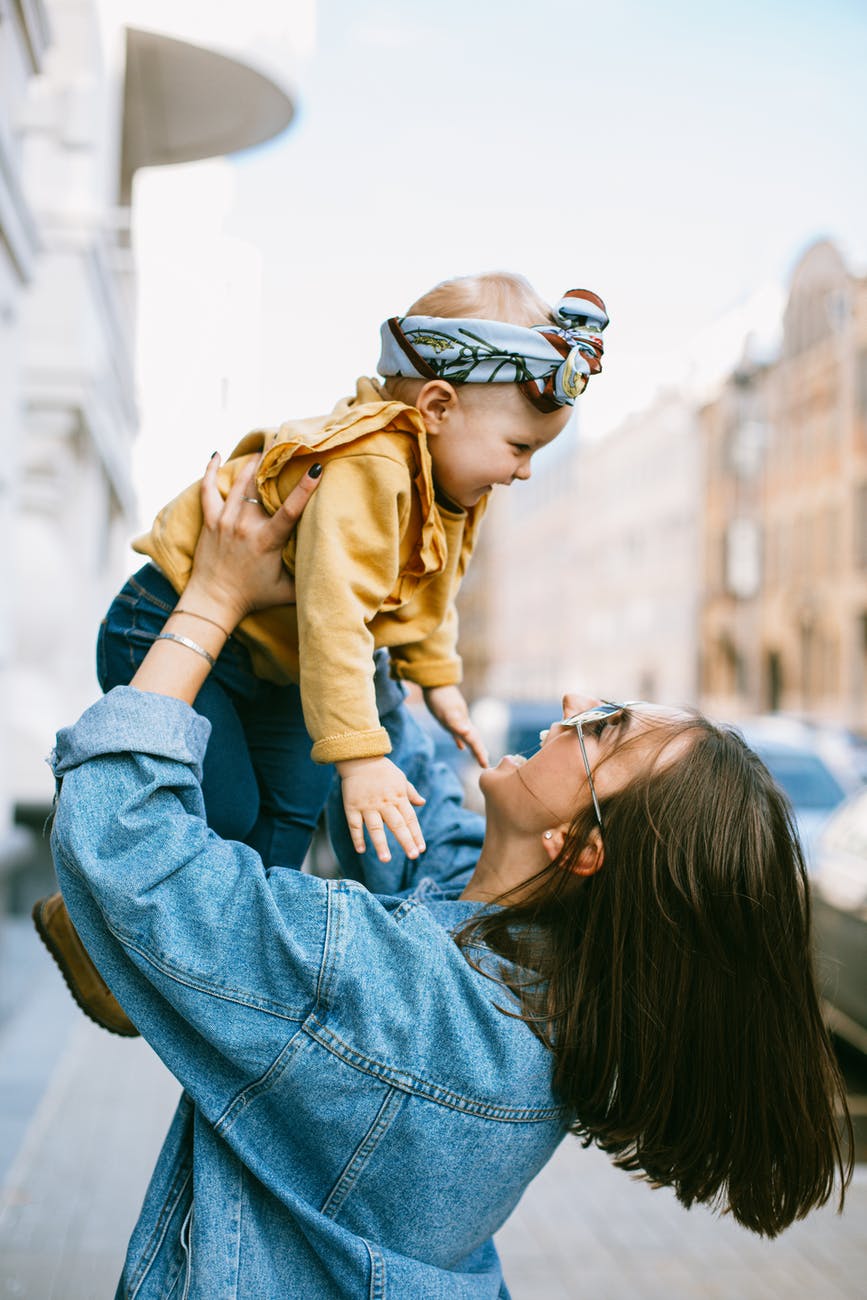
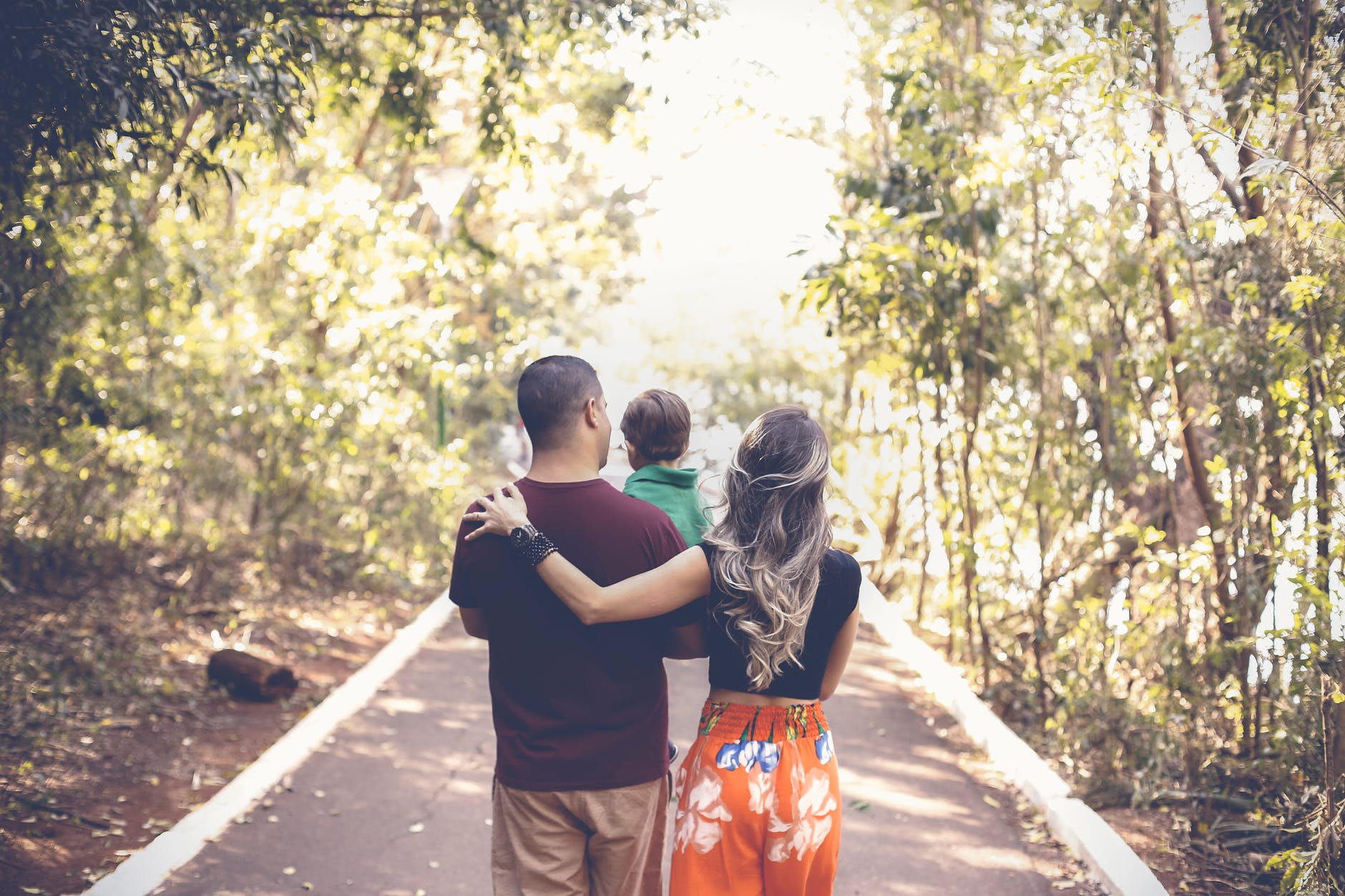
Make sure your parenting style is supporting healthy growth and development because the way you interact with your child and how you act will influence your child’s future
There are four types of parenting styles:
Authoritarian
Authoritative
Permissive
Uninvolved
The parents are all different, raising their children with different styles.
Some have more than one style. Before judging a parent for their parenting style, we have to look into ”their history” or better said their past. If they were abused, neglected they might copy their parent’s, they take them as a model
There are also exceptions; we can’t guarantee or judge a future parent based on their past. If my parents were uninvolved, this doesn’t mean that I will be uninvolved, for sure I will not.
The uninvolved one is describing my parents after I turned 12-13, my parents changed their style, from authoritative to uninvolved style. If you are asking how come? My Dad became an alcoholic and Mom had enough and became absent.
PARENTS, be present, role model, if you need help with your parenting, ask for help.
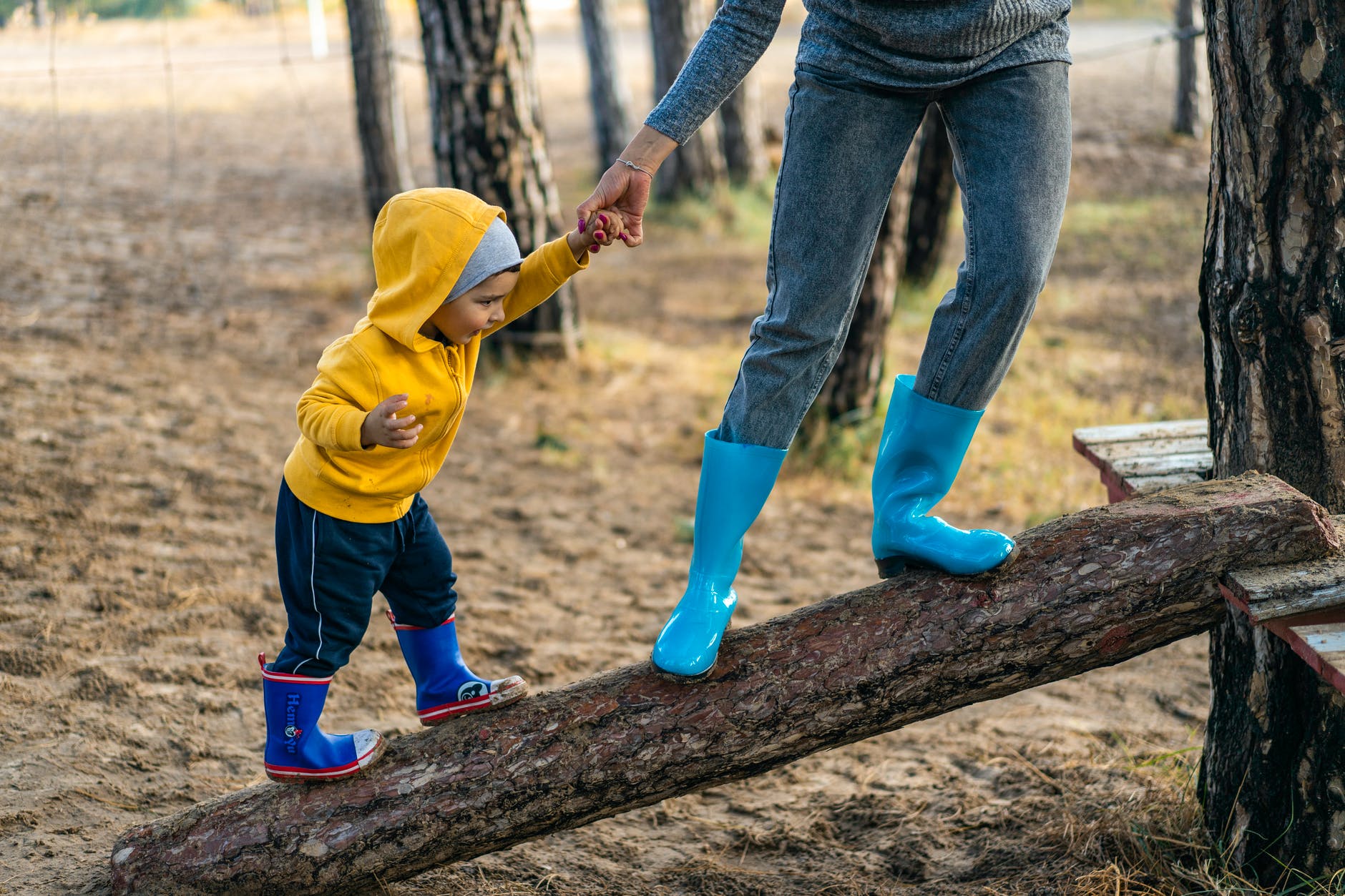
Aș vrea să traduc PARENTING dar nu avem un cuvânt care să definească acest termen din engleza. Dar sunt ferm convinsă că multi dintre voi știți la ce mă refer, dacă nu, v-om descoperii împreună.
Parenting nu este despre copii, ci în folosul copiilor.
Parenting se referă la procesul de a crește copii și de a le asigura protecția și îngrijirea necesară pentru a se dezvolta în adulți responsabili.
Cu toții știm că nu există părinții perfecți, deoarece noi, oamenii nu suntem perfecți. Dar putem crește copii care să aibă un viitor cu mai puține griji.
Părinții așa mare influența asupra copiilor încât nici nu își dau seama. Acel copil imită cam 70% din viața de familie, practic așa cum ești tu, copilul este sau va fi. Am fost martora unei scene de familie zilele trecute, in Lidl, tatal și fiul la cumpărături, mama prin apel video îi dicta tatălui ce fel de unt să cumpere, tatăl nervos țipa la mama ”de care unt vrei tu, haide spune-mi odată, de ce nu ai venit tu să îti iei”.
Copilul avea în jur de 16-17 ani ea lângă tata încercă să se uite după unt, la un moment dat tatăl furios, țipă la el ”ce stai așa și te uiți, ești un prost și tu ca măta, ce unt vrei tu că încurc circulația aici”
Este un exemplu de AȘA NU, acel copil a trecut printr-o situație jenantă creată chiar de tatăl său. Copilul avea fața posomorâtă și cumva mi s-a făcut mila de el, dacă în public tatăl reacționează așa, cum este acasă? Oare ce exemplu v-a urma copilul lui?
Este foarte benefic să avem grija la stilul nostru părintesc, cum creștem copiii.

La locul de muncă, cu colegii de apartament sau casă, vecinul de la etajul 4, în liceu, la facultate, și așa mai departe
Cu siguranță ați întâlnit oameni care gândesc temporar, au o minte îngustă, dar au ”gura mare”, și o limbă otrăvitoare.
No, de ei să stai departe, ai grija să nu cazi în capcana lor! Te vor provoca și vei cădea în același păcat.
“Dacă ataci replica unui prost, rişti să te trezeşti cu prostul întreg în discuţie”. Nicolae Iorga
Cam asta mi s-a întâmplat și mie, de mai multe ori, încerc să-i evit, dar mi-am descoperit limita, doar nu ați vrea să știți ce-i în mintea mea în momentul culminant, nu-i așa?
Am întâlnit oamenii atât de invidioși, încât îi vezi cum se usucă de pe picioare, fața le îmbătrânește devreme, își doresc ceea ce ai tu, noaptea nu pot dormii, și sunt așa anii întregi, poate chiar toată viața lor. Dar oare se gândesc ca m-ai au de trăit 20- 30 ani, poate chiar câteva zile, luni, secunde de trăit pe Pământ, și apoi, îi vor mânca viermișorii? și la ce folos invidia, cearta, gelozia ?
TU, omule, nu vezi că te frământă invidia, frustrarea, gelozia? ai devenit un monstru cu față de om.
Câteodată suntem așa de geloșii pe unele persoane încât le dorim moartea, vrem să dispară, vrei să le faci rău, dar știi că vei fii judecat după fapte?
Controlează-te când ești atras de persoane cu inima rea, nu te lua la vorbă cu ele, înțelege-i doar că au PROBLEME, de care? Vă las pe voi să completați.


Every country has families living in poverty. With this global pandemic, I know a lot of parents have lost their jobs, and it’s really hard to find a new job.
When a child is born, they do not choose their families dependending on their social status, how many money they have in their bank account. God will take care of that child.
I know children who has to work instead of going to school, when actually only the education can save you from poverty.
Some children drop off the school to work, or they get married (early marriage). I know hundreds of girls between the age of 12 and 18 and they already have children, and a partner, they became mature before their time. In a village, is a girl and she is 13, she gave birth to her son last year, the kid has a father and they live together in a tiny room, the community, parents, family they all are aware of this situation, but they normalize it and say nothing about it. Now, how many chances has that child to go to school, and have a job? I think the child most likely will copy the parents behavior, and will take them like a role model.
When the kid will start school in that village, the teacher will give him no changes of higher education, probably will avoid going to his desk and look into his work, ask if we understood the lesson, and so on. The parents, do not have themselves education, so what happens to the child? He will fall into the poverty cycle. Believe me, I am talking the true, true cases, I have seen them with my eyes.
Poverty is all around the globe, some children have no food with days, no access to education, or a bright future.
These children needs people who cares about them, not people who cares about their pockets. Try to help a poor family, and do not judge them.

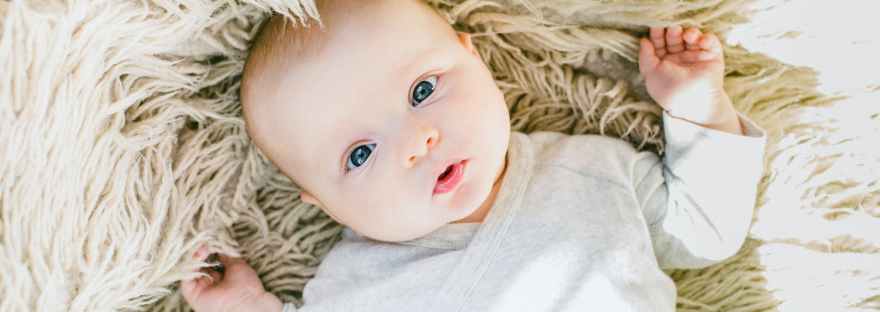
Like I said before, all my work experience (5 years) it’s about childcare, working with teens, and social work. I love to work with children, especially to make a difference in their lives, I watch them growing and developing.
Children develop quickly in the early years, and the persons around them have to do all they can to help children have the best possible start in life.
From early on, babies produce responses – such as smiling and crying, cooing. Infants can smile and cry. Initially these are reflexes but parents typically respond as if they were intentional communications. So the infant learns the social consequences of crying and smiling.
Birth – 11 months:
From 12 months to 24 months:
Between 1-2 years old, they are developing important fine motor skills and gross motor skills. Their balance, climbing, speaking and running will develop rapidly. It’s the transformation time, you will see the baby transforming from a baby to more a toddler.
1–year-old will begin to try and become independent in many ways.
Notice: Children develop at their own pace, so don’t worry if your child doesn’t do what your neighbour child does. As a parent, you know your child best.

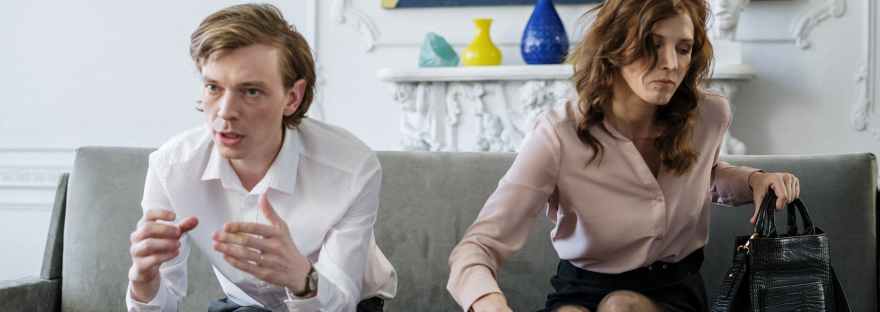
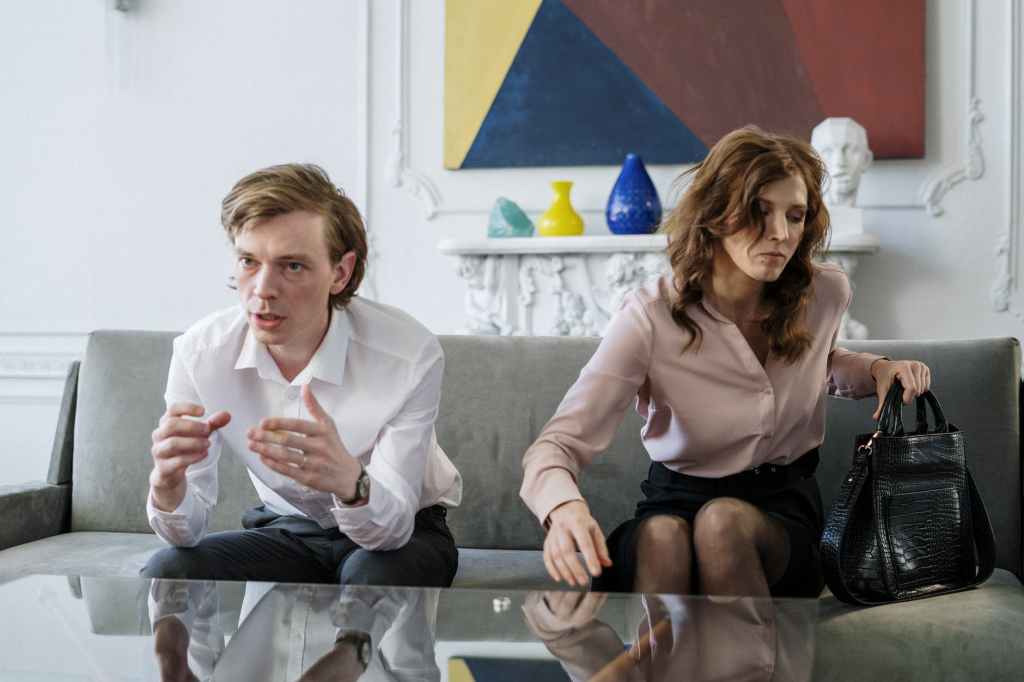
Growing up with both parents is a blessing, but what is like for a child to grow up with a single parent?
When getting married you do not think it will last 1. month or 5 years but ”till death do us part”, but there are some parents who decide to break the vow sooner. There are a lot of reasons why the parents divorce. When the marriage come to an end the parents are now fighting for the custody ( well, some of them).
Which are the effects of divorce
I will say the first 6 months – 1 year is the most difficult time
The kids might suffer anxiety, distress, anger, abandoned, and can have suicidal thoughts (depends on their age).
There is a huge emotional impact on young children, they can blame themselves about the situation, or they may think that the parents are not loving them.
Children from divorced families may experience more externalising problems, such as conduct disorders, children may also experience more conflict with peers after a divorce, poor academic results.
Always tell your children the truth in regards to divorce!
I believe is better to be divorced than staying in a toxic relationship.
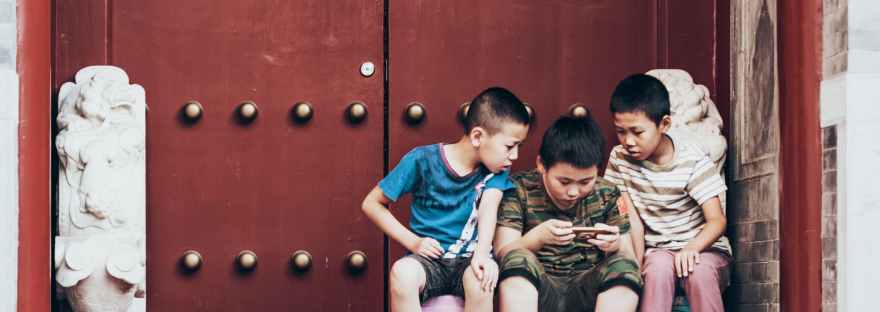
I wanted to write about this topic for a long time, and finally here is it.
Parents are all different, their parenting styles are not the same, not even between 2 parents of the same child. Now, having a baby in the 21st century is like they were born in the same time with a well known phone, you know which one I am talking about, you most probably have it in your hand, pocket, bag…
Now let’s talk about our topic
Young brains needs a lot of external stimulation to develop, particular from birth to age 3 (critical period). In this period is better for your child to stay away from devices, keep them engaged with books, talk to them, do indoor or outdoor activities like baking or a trip to the forest. Some parents choose for their child to be in a nursery, kindergarten, in this way children stays away from phone, iPad, tablets, etc. But when kids spent the most of the time at home, some parents introduce to their kids the devices voluntary or involuntary. Now, I am not blaming anyone, there are positives and negatives in all things from this earth.
I was born in 1995, so I did not know that phone exists until I was probably 8 or 9 (2003), that’s when I had my first phone, can you imagine how proud and happy, excited I was? even though that was an old NOKIA, and the only thing I can do was to play that snake game, do you know what I am talking about?
Now, why I was happy about it, well probably because of that game or just the feeling of having that device, or that I could of call my friends, it was something new and exciting. The TV was always there in our room, so I remember watching cartoons quite a lot and sometimes I fought with my brother because he wanted a different channel. Boys and girls didn’t had the same interests, not at that time 🙂
So imagine now, after 2010, the children are amazed of devices, especially that it can offer them a lot of diversity. Of course they will fall in love with mommy’s, daddy’s phone or that tablet, iPad you leave it on the couch…
At work I see babies (15 months old) taking a toy that might look like a phone and hold it to they ears are says ”hello”, so what are we talking about, a child aged 15 months and thinks he is talking on the phone, well our children copies everything we do and say. He most probably seen Mom, dad holding that device at their ear.
INTRODUCINF CHILDREN TO ELECTRONICS
I am not against this, but we have to keep in mind 2 things – the age of the child and the time the child is exposed to the device!
If we give a 2 year old the phone, iPad in their hands or put it in front of them to watch cartoons, or to listen to music, so we can do our job… well I am against, and I will tell ypu why, first the child’s age and then you gave that child no external stimulation, no social interaction. What if we invite someone to keep an eye on our child?
If the child is 8 years old and we slowly introduce him/her to the device let them watch, discover, play songs, cartoons for not longer than 1 hour a day, why? Well, because we are in the 21st century and the technology is what we live in. The child might find interests, passion in technology an this a good opportunity to grow up with and later to be a software developer, IT manager, etc. We need people in this areas as in this world is what we feed our self with. Can you imagine life without internet, phones, computers, and other devices? In hospital, schools they need technology.
Supervise your kid activity while using the devices, make sure you do not let them have full access to things you don’t wanna the child look to. It’s so easy to have access to a lot of disturbing content these days, and always remember that online world is not always safe, there are many paedophiles behind the screen.
I have seen a lot of children on Instagram posting ”challenges” that require to meet and have a date and God knows what happens after that ”date”. And the parents has also an Instagram account to, hello do you follow your child activity? Do it now, before is too late, no offence!
My advice is to have in mind the age, purpose, health benefits, time, before introducing kids to devices!
LET KIDS BE KIDS AND THEN SLOWLY LET THEM DISCOVER THEIR PASSION, INTERESTS!
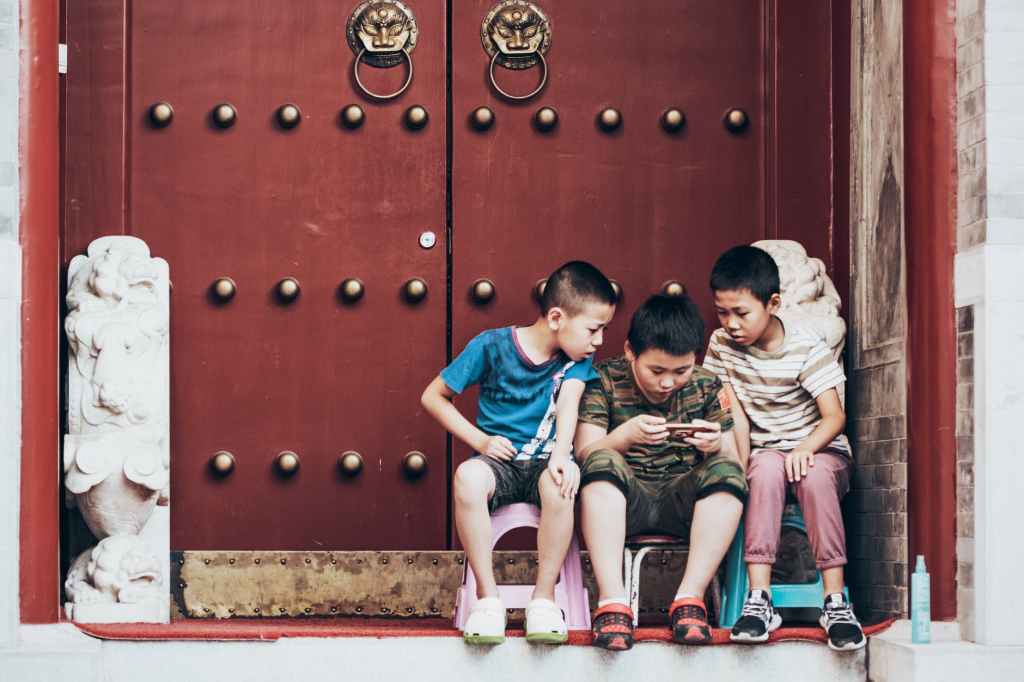
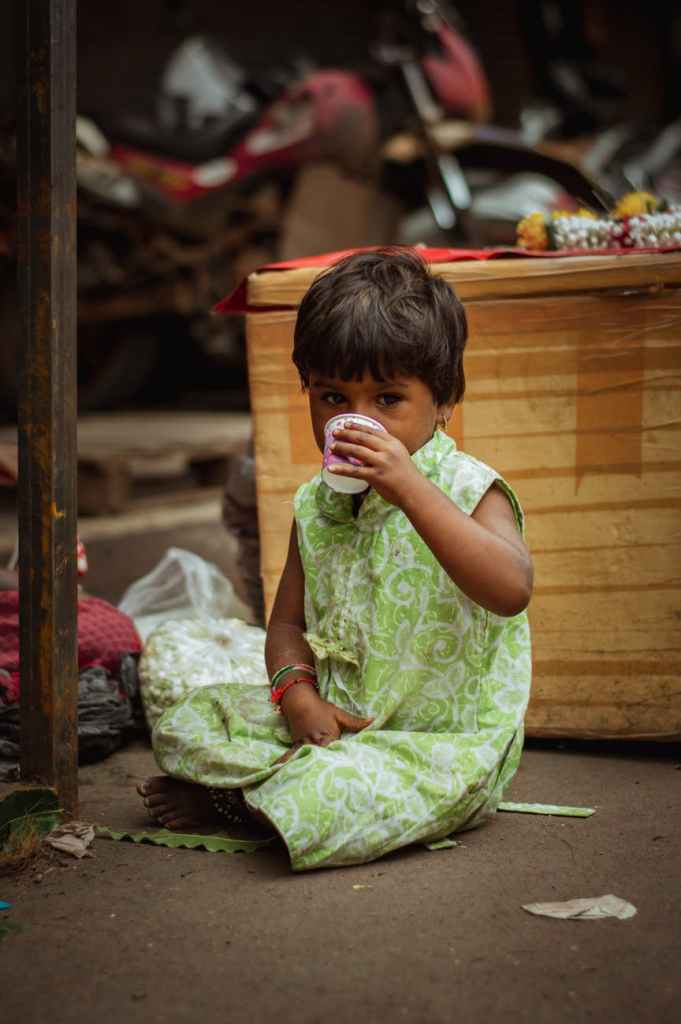
It can affect children from birth and left unchecked and unchallenged, can impact negatively on every aspect of a child’s life.
Usually, poor children are located in hard to reach villages, isolated, but not only. In these villages, communities people follow traditions, they copy each others even if it’s bad or good. Sometimes no one is going to these villages to make a difference, and the children grow up and have no future.
I used to live like a disadvantaged kid some years of my life, what was the reason? well, an alcoholic dad and unemployment of both of my parents. I do not condemn them, but I try to understand their actions.
There are a number of reasons why a family may be disadvantaged, and therefore, vulnerable.
What are the effects on a child living in poverty?
A child may suffer from:
A poor diet or neglect
Low educational achievement: no school trips, no books, uniform packed lunch, healthy snack
Lack of positive interactions with parents
They might be unable to understand their own emotions and those of others
Poor/dirty clothes, shoes.
The child may have low self esteem
Tensions/fights between parents at home.
The child may experience some types of abuse from parents or family.

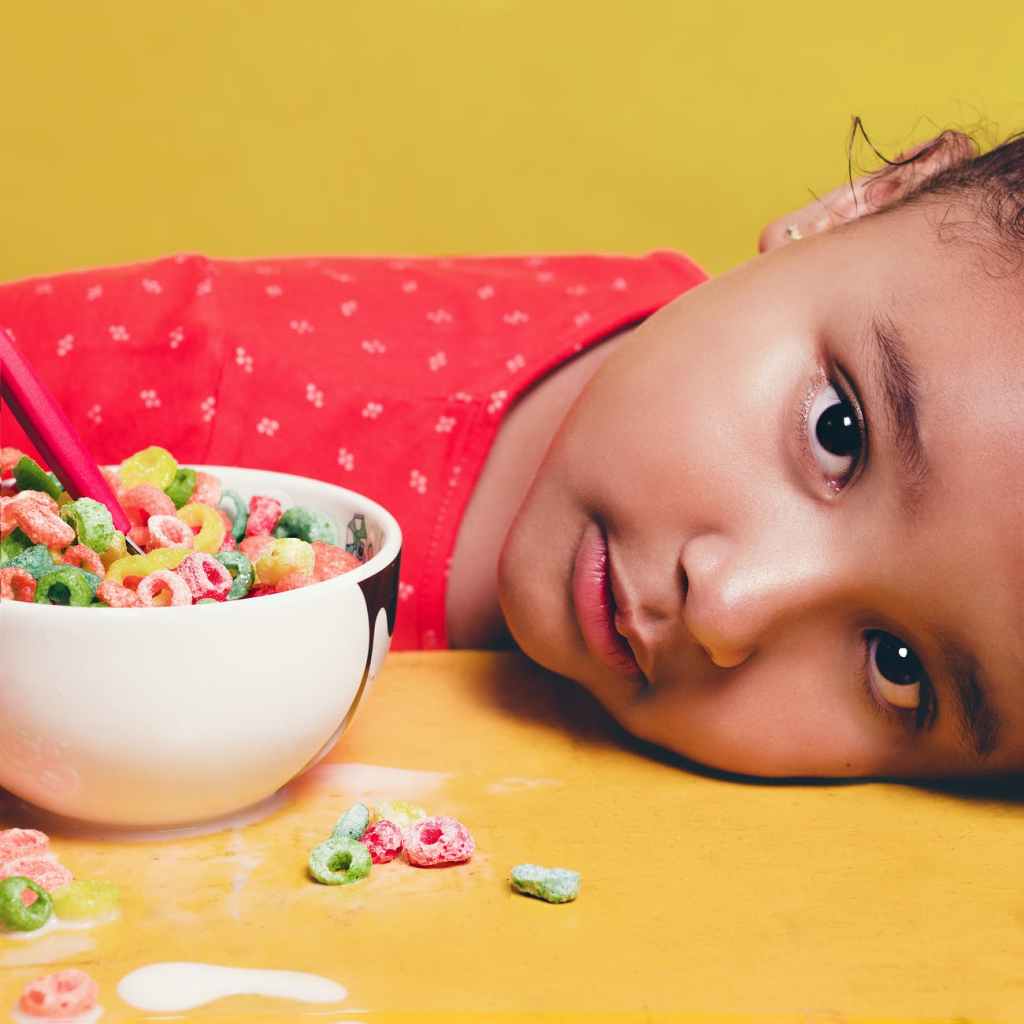
At my workplace I am observing many children refusing their food, simply they do not wanna open their mouth or they are pushing away the plate. I am watching them and think how long they will resist that day without food, so we are trying to offer them options, and guess what, they are perfectly fine with plain pasta or a biscuit!
Now, we have to keep in mind that children may refuse a type of food if it’s the first time you give it to them, they need to taste it slowly and a few times to learn to like it, so make sure you are not forcing, pushing the food aggressively in the mouth, most probably they will not like it. Would you like if someone will push the spoon in your mouth, with food you never tried, let’s say…snake meat! yuck!
Also some children may like to be independent and not to be feed, so just let the plate in front of them and observe them without talking, touching their food, try to ”avoid” them. I do have a baby in the nursery that loves to be independent and eat with his own hands.
Toddlers refuse extra food also when they have eaten enough. Do not try to overfeed your toddler,some kids will eat less food than other toddlers of the same age. If your toddler is growing and developing normally then he or she is taking the right quantity of food for his or her own needs!
There is also medical reason why kids refuse to eat. When kids have a well documented medical condition or are visibly sick, it is obvious that their eating can be affected, but sometimes there are more subtle issues. Two of the biggest culprits are acid reflux and constipation. Both of these very common problems for kids can put a halt to eating.
For many “picky eaters”, sensory processing plays a big role in their refusal to eat foods. Simply put, if something feels gross in their mouth or on their hands, they aren’t going to eat it. they may not like certain textures in their mouth, or chew/lick everything else but food, it is a sign that their oral sensory system needs to be looked at.
 CRINAMORPHO