#children, #copiii, #dad, #development, holiday

First time parents – Holiday edition

Nappies, wipes, breast pump…

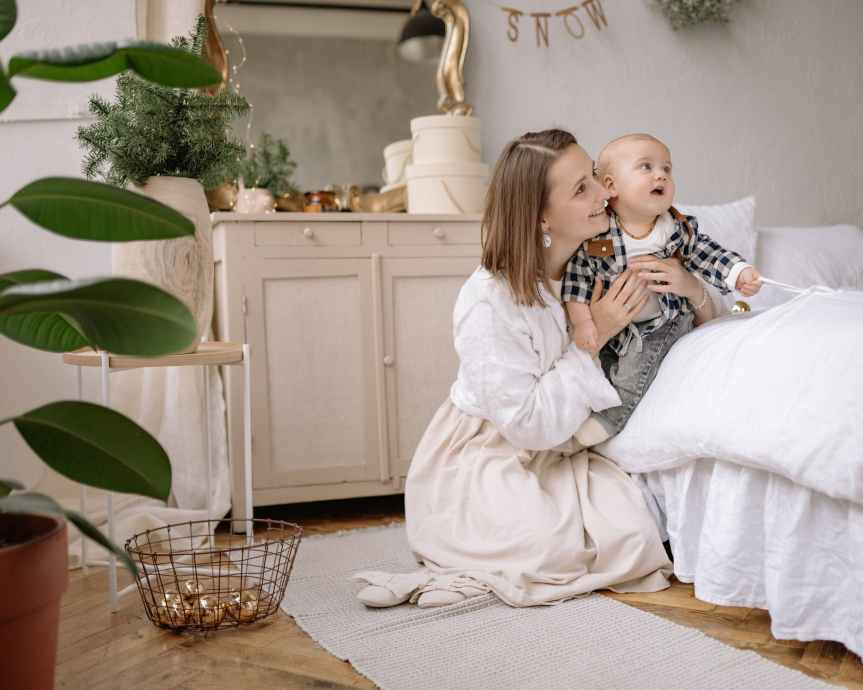
Oh, wait, what else… feels like I forgot to pack something! This is what I have been asking and checking weeks before actually flying out with our baby Amelia. Being a first-time parent comes with lots and thousands of worries/minutes, especially when travelling.
We’ve visited our families, friends in Romania for 13 long and tiring days. Baby Amelia was the main character on this holiday, treated like a princess by her grandma, uncles, aunts, cousins, godmother/godfather, our friends, and lots of ‘tanti de la țară’ grannies ( Grandma’s friends). Amelia had her moments when she was happy going from one person to another, but towards the end of the holiday she’s had enough, didn’t want to go to someone else apart from Mommy and Daddy, which was sad for Grandma.
I like being on time when a time is set for a meeting, it doesn’t matter if it’s a friend or a stranger, BUT this holiday I had to break this rule as Amelia was falling asleep or pooing at the ‘wrong time’. With a child you have 99 per cent to be late, that’s what I have learnt this holiday.
Amelia did amazing flying for the first time; smiling, being curious about what happens around her, grabbing and pulling everything it came to her hand…
I found it quite difficult to change her on the aeroplane because the change table/space is cramped! Oh, she managed to have a big explosion exactly when we landed and of course, the bathrooms were locked…so good luck to me trying to cover her not to stain my clothes, the smell was… I can’t describe it!
In conclusion, this holiday was full of surprises and different. Our next holiday will b in 2 months, going to Greece!

#children, #copiii, #development, Pregnancy

Pregnancy journey

“'For I know the plans I have for you,' declares the Lord, 'plans to prosper you and not to harm you, plans to give you a hope and a future. '” — Jeremiah 29:11

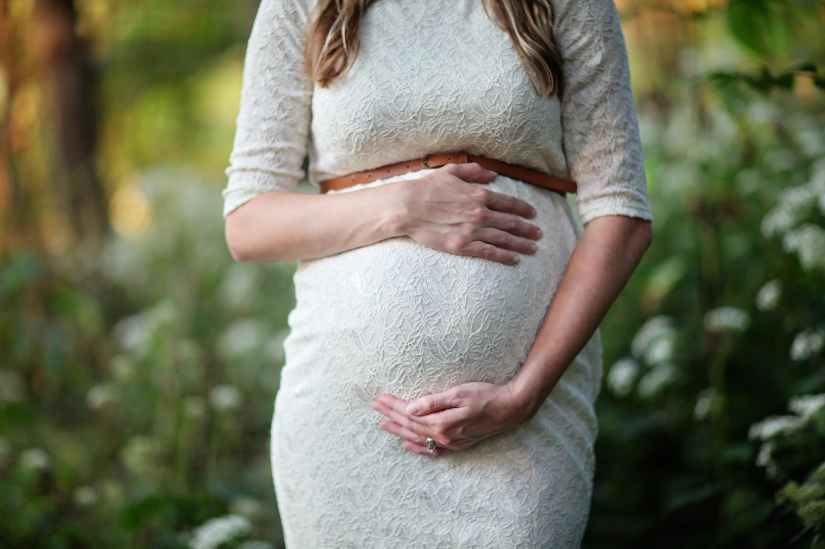
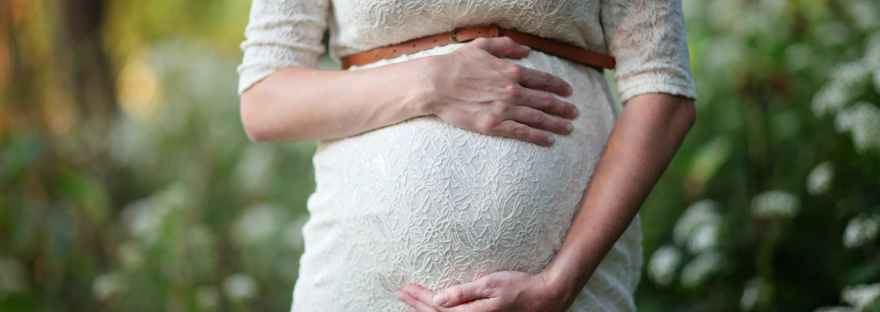
May 2022 – On the pregnancy test was this word ”pregnant” It was the most shocking, not expected, blessed day so far. From May to October I have experienced what it means to grow a baby inside you, new life given by God to us.
At the beginning of my first trimester I felt sick and tired, and all the condiments from the cupboard had to be chucked aways, the smell was too strong for me. Today
The second trimester was the best so far, it’s true that I became a foodie but I am proud to have self-control over it.
I remember when I first felt my baby’s movement, such an amazing feeling that only a Mom can describe.
We are thankful for a healthy, very active baby in my womb. As I just entered my last trimester, we are excited to meet our little munchkin in 2 months time.

#children, #copiii, #development, DIVERSITY, equality, inclusive

Inclusive Education

Inclusion in education refers to all students being able to access and gain equal opportunities to education and learning.

Inclusive education is the most effective way to give all pupils a fair chance to go to school, learn and develop the skills they need to thrive. It means real learning opportunities for groups who have traditionally been excluded, not only children with disabilities, but speakers of minority languages too.

Some of the benefits of inclusive practice include:

  • Teaching pupils about diversity and equality.
  • Improving, encouraging friendships between diverse children (Diversity)
  • Promoting parental confidence that their children are being accepted and can be successful in the school setting.#

An estimated 240 million children worldwide live with disabilities. Like all children, children with disabilities have ambitions and dreams for their futures. Like all children, they need quality education to develop their skills and realize their full potential.

Yet, children with disabilities are often overlooked in policymaking, limiting their access to education and their ability to participate in social, economic and political life. Worldwide, these children are among the most likely to be out of school. They face persistent barriers to education stemming from discrimination, stigma and the routine failure of decision makers to incorporate disability in school services – Source UNICEF

#children, #copiii, #parents, #uk, carti pentru copii

Cum să publicați o carte pentru copii – Londra

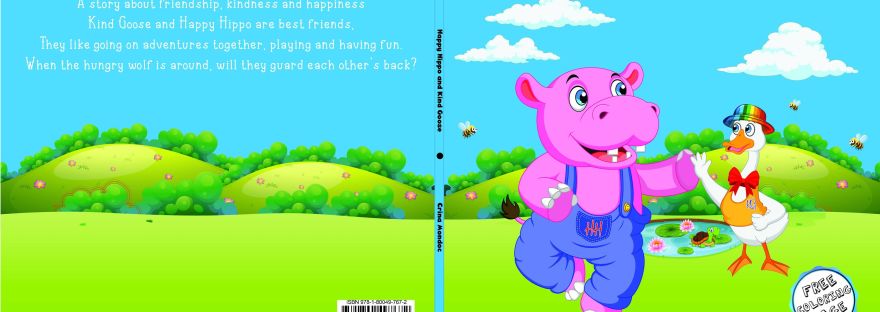
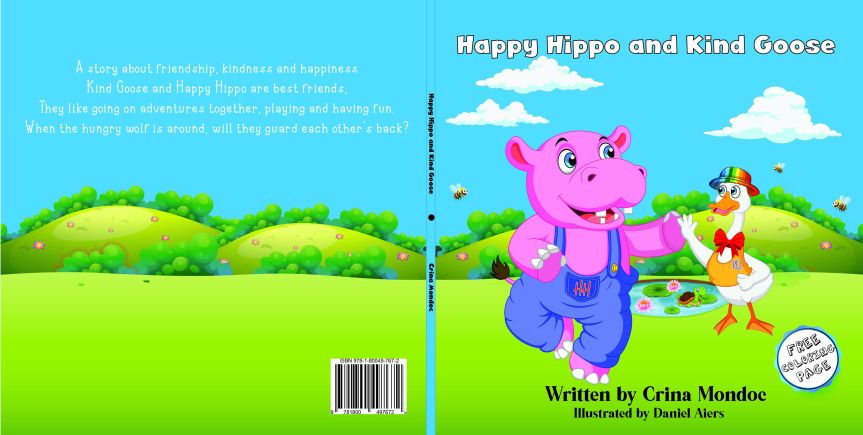
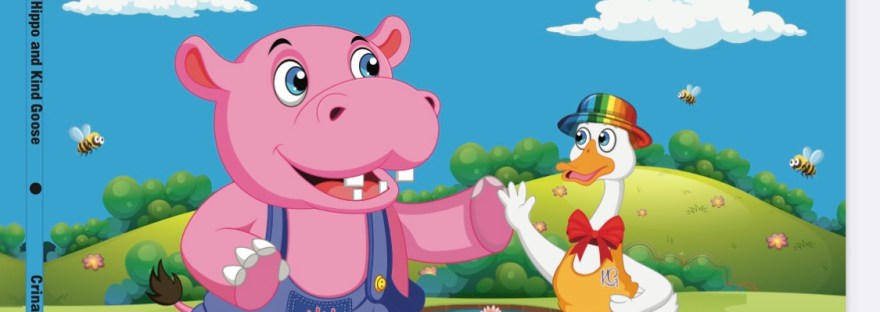
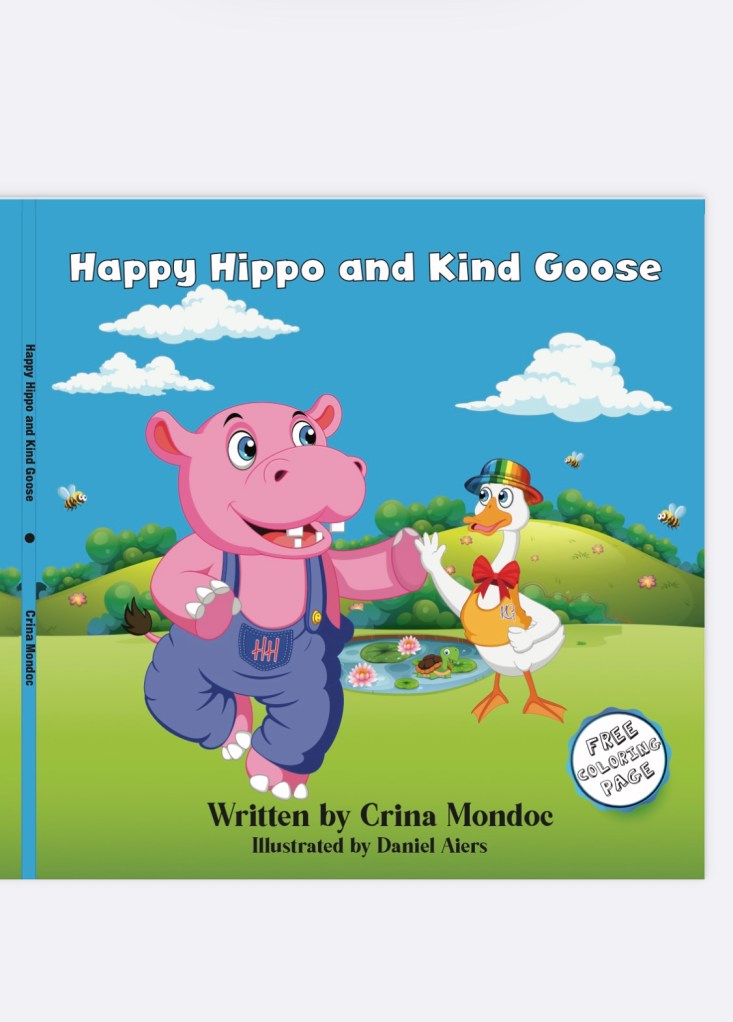
Happy Hippo și Kind Gose este cărticica pe care am publicat-o in Iulie 2021 în Londra.

Scriu această postare deoarece multe persoane m-au contactat pentru a le da câteva sfaturi, raspunde la întrebări.

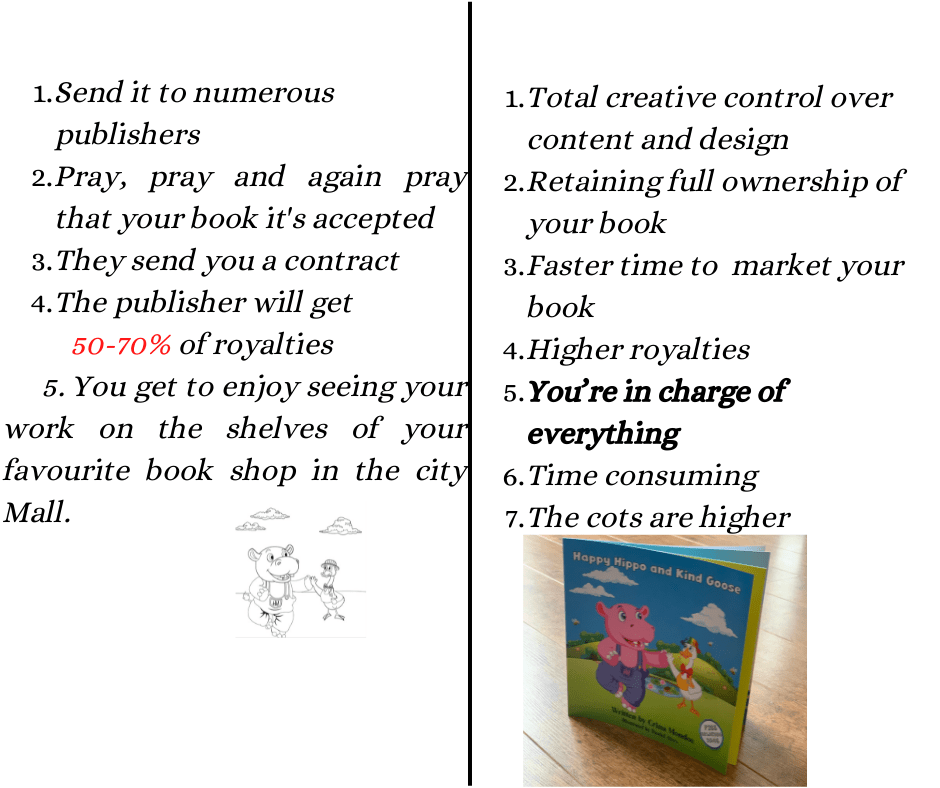
Cartea mea este publicată de o editură independenta, asta înseamnă 100% drepturi de autor. Dezavantaje sunt si aici destule, dar pasiunea și scopul cărții sunt mai importante pentru mine.

CUM?

Pasul 1. Ai obținut ISBN-ul cărții? Ai nevoie de câte un ISBN (cod de bare) pentru fiecare format al cărții. Hippo și Goose este în format fizic -paperback și electronic pe Amazon Kindle.

Pasul 2. Ai pdf-ul cărtii cu ilustrațiile? Daca răspunsul este DA! atunci este timpul pentru printareeeeee, si aici ai nevoie de o căutare buna pe Google. Eu îți pot da o recomandare cu prețuri foarte bune și calitate de nota 10, scrie mi aici pe e-mail http://www.moncojbooks.com

3. Ar trebui acum să ai cartea în mânuțe, fii mândră/ mândru de realizarea ta! You did it! Dar partea cea mai dificila începe acum, știi de ce?

4. Promovarea cărții, practic a muncii tale dedicate celor mai frumoase suflețele de pe acest pământ. Cartea să fie pe website, Amazon și rețele de socializare.

Pasul 5. Nu-ți pierde speranța, adu-ti aminte scopul cărții și zâmbetele inocente ale copiilor care deja ți-au deschis cartea.

Pentru mai multe detalii despre Hippo si Goose aveti link-ul de mai jos.

http://www.moncojbooks.com

http://www.moncojbooks.com

Amazon Kindle format aici https://www.amazon.co.uk/Happy-Hippo-Goose-Crina-Mondoc-ebook/dp/B098TKTH8W/ref=sr_1_2?crid=1380S9XB7PZJO&keywords=happy+hippo+and+kind+goose&qid=1646476411&sprefix=%2Caps%2C241&sr=8-2

Îmi puteți scrie pe moncojbooks@gmail.com

#children, #copiii, #development, mental health

Child neglect

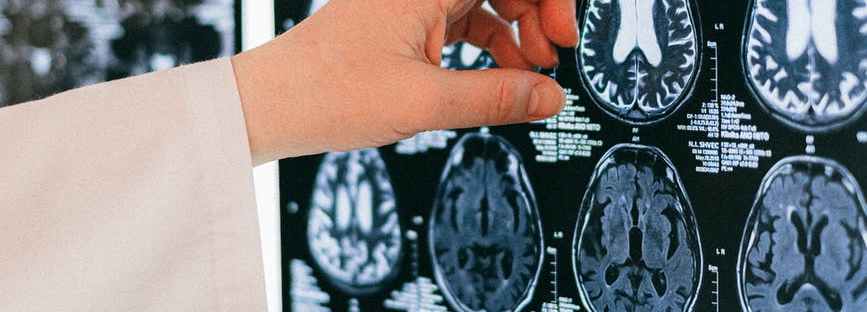
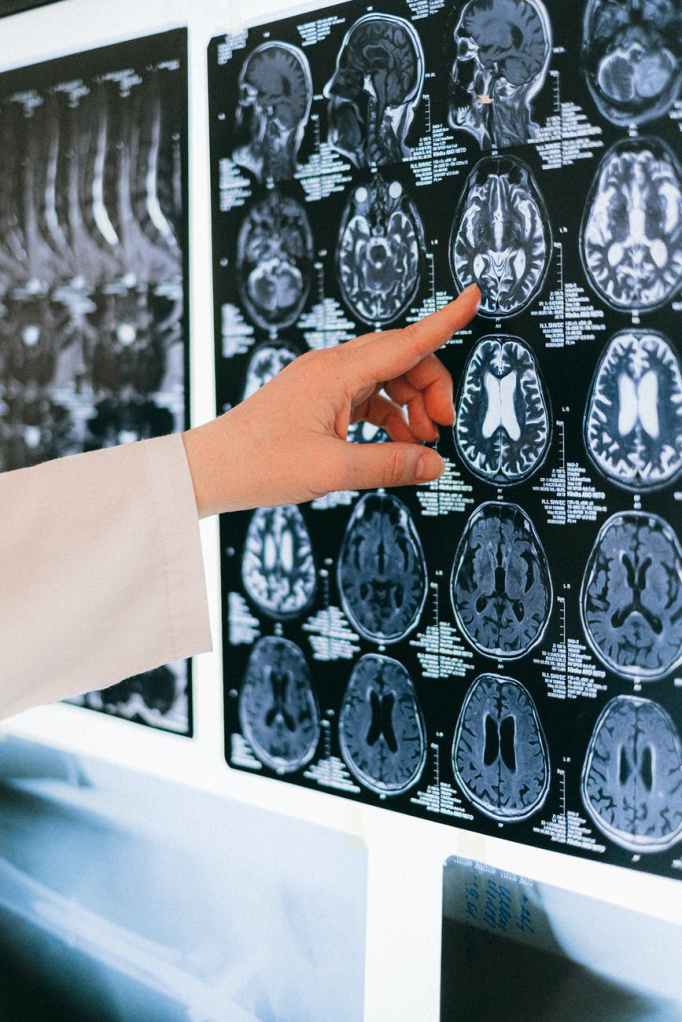
If a baby is malnourished, neural cells can become weak or damaged and this can cause lowered brain function. If a child has little interaction with their caregiver, it can change how emotional and verbal pathways develop and impact their ability to learn. This may have consequences for brain functioning in later life.

Our brains develop from before birth and into adulthood

What happens in a child or young person’s life during these periods can have a significant effect on their brain development.

Positive experiences throughout childhood help to build healthy brains, while experiencing childhood trauma and abuse can harm a child’s brain development (Shonkoff et al, 2015)

Happy Hippo and Kind Goose

#children, #copiii, #development, attachment theory

Attachment Theory

Attachment is characterized by specific behaviors in children, such as seeking proximity to the attachment figure when upset or threatened (Bowlby, 1969).

Stages of Attachment

Rudolph Schaffer and Peggy Emerson (1964) investigated if attachment develops through a series of stages, by studying 60 babies at monthly intervals for the first 18 months of life (this is known as a longitudinal study).

The children were all studied in their own home, and a regular pattern was identified in the development of attachment.

The babies were visited monthly for approximately one year, their interactions with their carers were observed, and carers were interviewed.

A diary was kept by the mother to examine the evidence for the development of attachment. Three measures were recorded:

• Stranger Anxiety – response to arrival of a stranger.

• Separation Anxiety – distress level when separated from carer, degree of comfort needed on return.

• Social Referencing – degree that child looks at carer to check how they should respond to something new (secure base).

Bowlby suggested that a child would initially form only one primary attachment (monotropy) and that the attachment figure acted as a secure base for exploring the world.

The attachment relationship acts as a prototype for all future social relationships so disrupting it can have severe consequences.

This theory also suggests that there is a critical period for developing an attachment (about 0 -5 years).

If an attachment has not developed during this period, then the child will suffer from irreversible developmental consequences, such as reduced intelligence and increased aggression.

Photo by Yan Krukov on Pexels.com
#children, #copiii, #development, children's book, happy hippo, kind goose

Amazing announcement

My absence from the blog is very well explained and comes with a surprise.
My children’s book Happy Hippo and Kind Goose is available on kindle edition on Amazon.co.uk. Soon paperback will be available.
If you want your children, grandchildren to have a great laugh and learn about friendship, kindness, happiness, then order a copy now.

Much appreciated 🙂

#children, #copiii, #development, humility

Teach your children humility

Humility is the quality of being humble. Being humble is the opposite of being proud!

Children need to know that achievements, social status, and abilities are not what give them worth. 

 What is even sadder is that children are being targeted by the pride monster. Social pressure is killing them. Constantly they have to promote themselves on social media and keep comparing themselves with their peers.

Humble children understand that all children have the same inherent worth as themselves. Help your children develop humility by:

Spending time together, be an example for them, show humility

Spend time outdoors

Teach a growth mindset

Encourage relationship with the people in their life