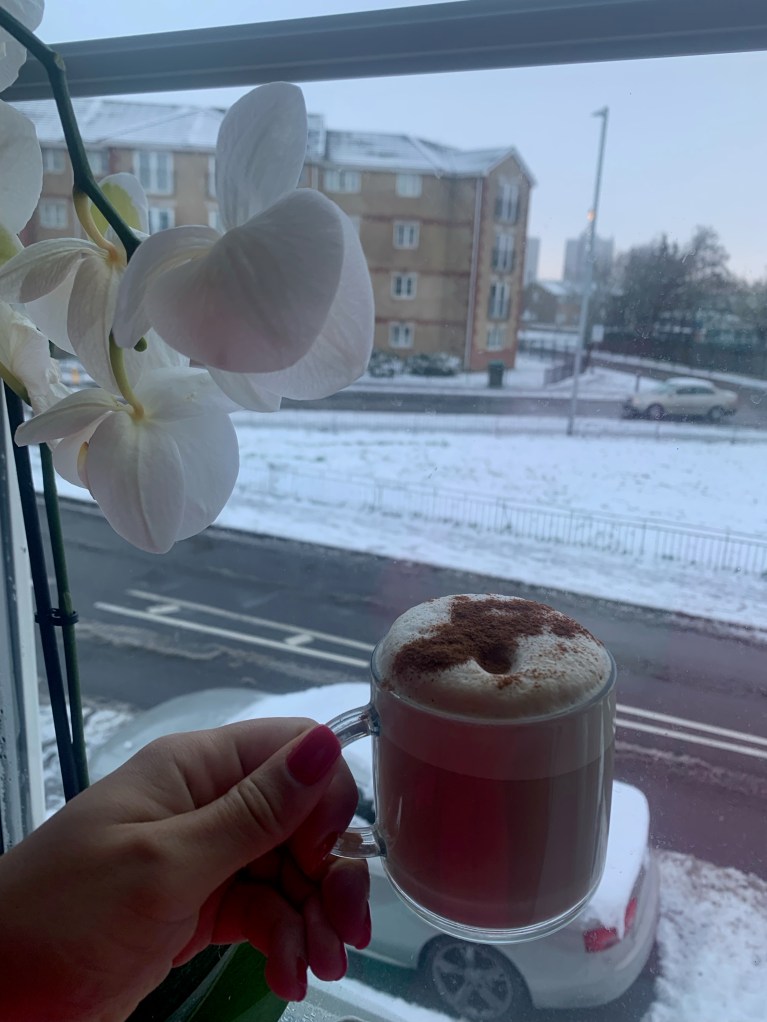
Last night we had a surprise in the UK in the form of ice crystlas. It was amazing, we enjoyed it a lot with some hot chocolate and a movie.
Passionate about helping children living in poverty. I am a children's book author & social worker. Proverbs 16:24
Last night we had a surprise in the UK in the form of ice crystlas. It was amazing, we enjoyed it a lot with some hot chocolate and a movie.
Pe 8 Decembrie am împlinit 27 de ani. Odată cu trecerea timpului realizăm cât de puțin înseamnă un cadou și ce mult contează un apel primit de ziua ta, cu o un sincer urat de ”LA MULTI ANI!”
Cu fiecare an ce trece devenim mult mai înțelepți, sau cel puțin așa ar fi ideal, renunțăm la vicii, ne pasă tot mai puțin de părerea celorlalți, ne focusăm pe familie, facem economii și plănuim vacanța mult dorită pe care v-om plătii cu banii munciți de noi.
27 sună bine pentru mine, cu multe schimbării în bine, scopuri de atins și rugăciunii de mulțumire.
Reminder for today.
This month can be challenging, stresfull and overwhelming.
Do not give up! celebrate the reason we are going to celebrate.
It can be stressful to keep up with work, buy that perfect Christmas present for someone, cleaning and decorate the house for your guests.
But you know what, take a minute, relax and repeat ”God gives me strength”. You are doing just fine!
This year I am very relaxed and chilled, do not have a Christmas tree, and my home is not that clean for guests (I am not going to have any)
Christmas cards and presents can wait until next year.
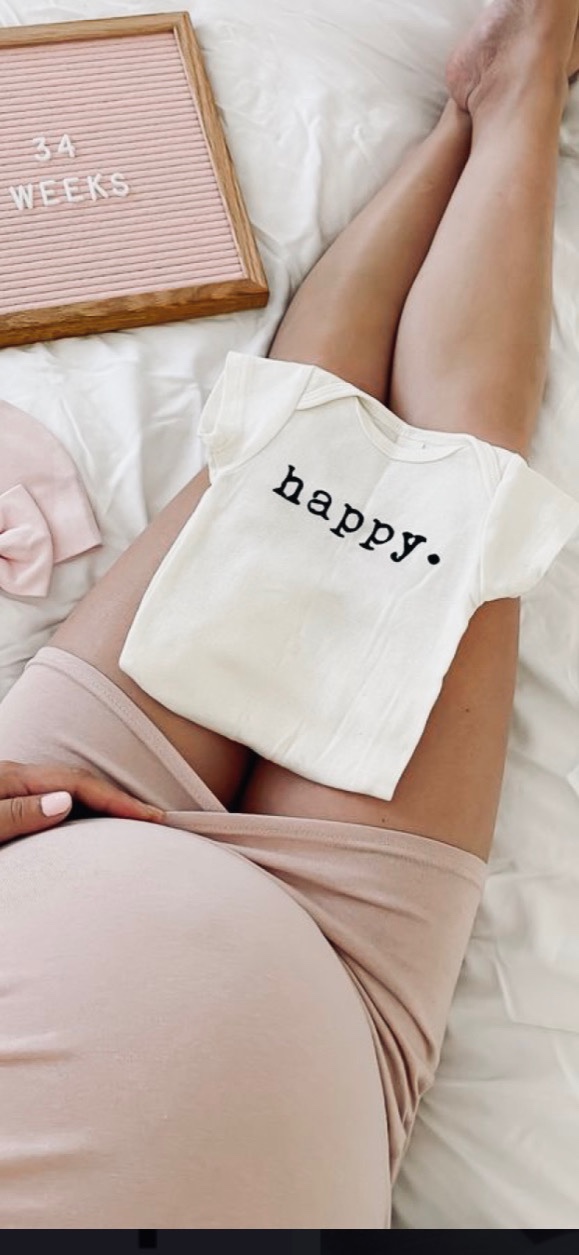
Soon my baby girl will be born, we are moving house in 2 weeks.
My goal is to celebrate the reason this year, together with my husband and our munchkin.
God bless you!
La multi ani, România!
Țara noastră frumoasă, primitoare cu oameni simpli de la țară care încă păstrează tradiții vechi de sute de ani. Bunicile noastre care au rămas acasă, în țara noastră dragă, curând vor pune lemnele în sobă și vor coace cozonaci, cornulețe și plăcinte cu miros și gust de acasă, miros de copilărie…
Unirea de la 1 decembrie 1918 reprezintă Ziua Națională a României, celebrată anual ca zi națională din 1990. Sărbătoarea aniversează Marea Adunare Națională de la Alba Iulia și unirea provinciilor Basarabia, Bucovina ,Transilvania, Banat, Crișana, Maramureș și Sătmar cu Regatul României.
I studied social work back in Romania, got my degree in 2017, but life brought me in the UK in 2018, so clearly I haven’t had a chance to practice in my country, unfortunately.
What I learnt about safeguarding children in Romania may or may not apply in one of the countries.
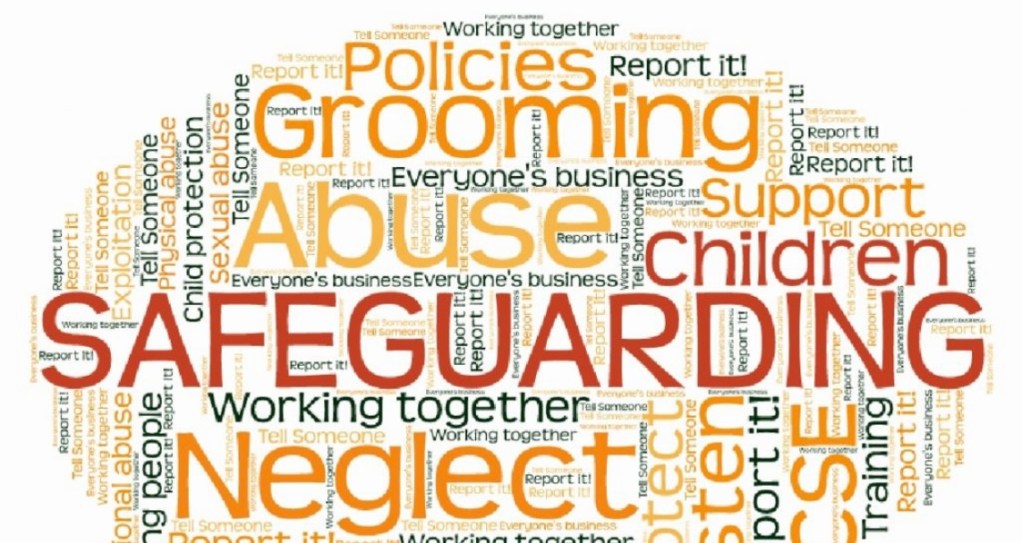
Safeguarding children it’s such an important act for all that comes in contact with our innocent children, keep an eye out to children’s behaviour, their communication and social interaction.
Every day I am reading my books, praying that after the maternity leave I can get a job to put this in practice( to safeguard as an professional) who cares.
Safeguarding is the action that is taken to promote the welfare of children and protect them from harm. Safeguarding means: protecting children from abuse and maltreatment. preventing harm to children’s health or development.
Did we forget what made us happy years ago, when we were kids!?
Let me give you one example from my childhood (there are many examples, I will try giving you one) Ice skating on the main street with my friends. We didn’t have much or been to our big city Ice Skating Ring, but I knew how to skate on our main street, where everyone was walking by, greeting and doing their Christmas shopping. Nice memories!
I still love Ice Skating!
What makes us happy as an adult living in these times?
Waking up in the morning to get to our jobs or on the salary day when are we trying to sort out the monthly spending?
Are we running after fame, money, career, diplomas, buying a big house in which we are most of the time worried about the next electricity bill (see living costs in 2022) thinking that once we have what we wished for we will be happy again?
I m not saying it’s a bad thing to have those, but let’s be honest, what makes us happy?
How can we increase our level of happiness and live a blessed and joyful life?
Take a minute and write a list of what makes you and your family happy.
A trip for 2 days?
Spending more time at your grandparent’s house?
Meeting with your old friends?
Going ice skating with your family?
Planning an exotic holiday?
Reading your bible, going to church this Sunday?
Cooking your partner’s favourite meal?
Buying the dress or shoes you wanted for a while now?
Giving a Christmas present to a family in need?
Or just having a coffee in the shopping centre?
What makes me happy is waking up early in the morning to drink my coffee. My husband gave me a good night kiss(he also gives one to my baby bump). Eating my favourite chocolate. Good news from my large family. Feeling my baby moving. Supporting my family when is needed and the list is not stopping here.
To to sum up…Enjoy the good coffee, have fun on your holiday, buy the dress– they are all good and fine and bring bright moments into our lives.
Do more of what makes you happy, and be less worried and stressed.
Be blessed!

Insecurity is linked to mental health conditions such as narcissism, anxiety, paranoia
A person with high levels of insecurity may often experience a lack of confidence regarding many aspects of life. It may be difficult for that person to form lasting relationships or do their daily routine.
People who experience significant insecurities in daily life may attempt to overcome them by identifying the causes. For example, a man who dreads going to work because he feels he does not perform his daily tasks adequately may ask himself what led to that belief and attempt to identify ways in which he might become more positive and realistic about his own abilities (Fowler, C. J., Allen, J. G., Oldham, J. M., & Frueh, B. C. (2013).
What Does the Bible Say About Insecurity?
If we hope to get to the root of insecurity—which can be caused by attaching our self-worth and identity to the things of this world—then we first need to know the truth about our identity as a child of God. That way, our self-worth can be grounded in truth rather than in the enemy’s lies.
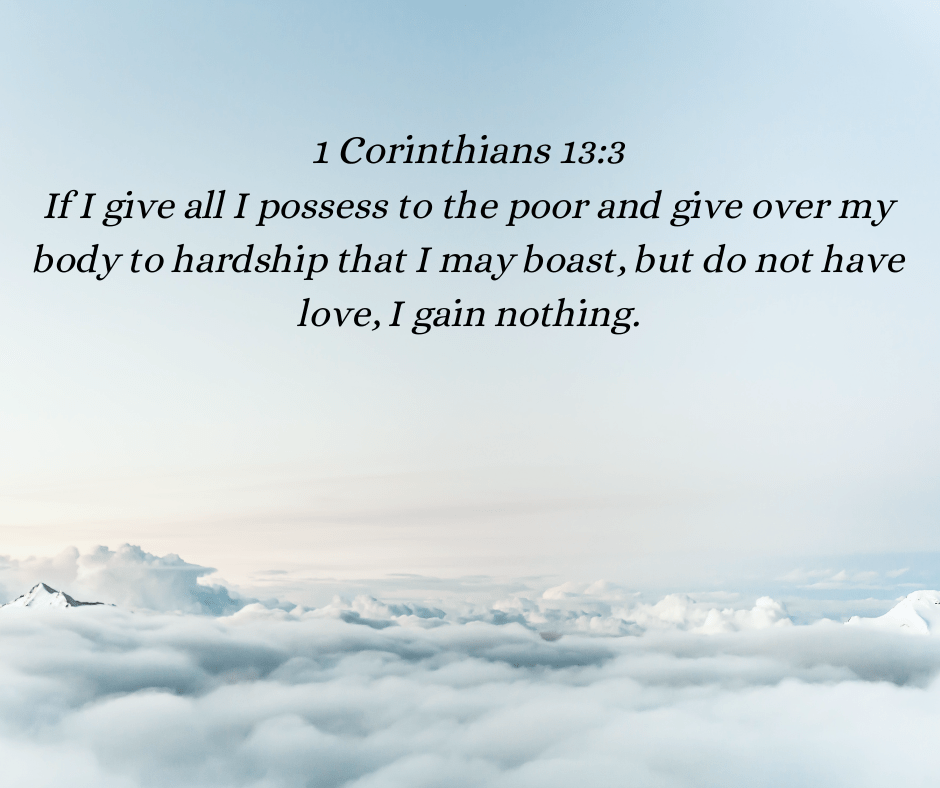
1 Corinthians 10:13 tells us that God will not allow us to “be tempted beyond what you can bear. But when you are tempted, he will also provide a way out so that you can endure it.”
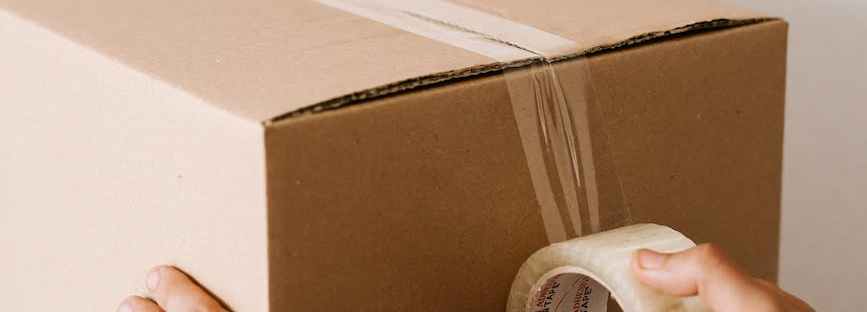
That’s the reason I was absent from here for a while. We were hunting for a new place to rent.
After nearly two months of searching, here we are, last night we got accepted to rent a home in North Northamptonshire – Northamptonshire is a county in the East Midlands of England.
The most frustrating thing is travelling for 3 hours to view a house just to get a call from the letting agent saying ”unfortunately, the landlord chose a different family or the house has been let”.
We will have our baby girl in less than 2 months, so we need a nice, bigger home with a cute garden and a family-friendly area. Those are some of the reasons we decided to move out of this flat we are in.
Like I have mentioned above, last night our prayers were answered after nearly 2 months of searching, hunting, viewing houses.
If you ever come across renting in the UK, get ready to get disappointed, raise your renting budget, lots of prayers and research about the area you move in. Also, don’t forget the PATIENCE!
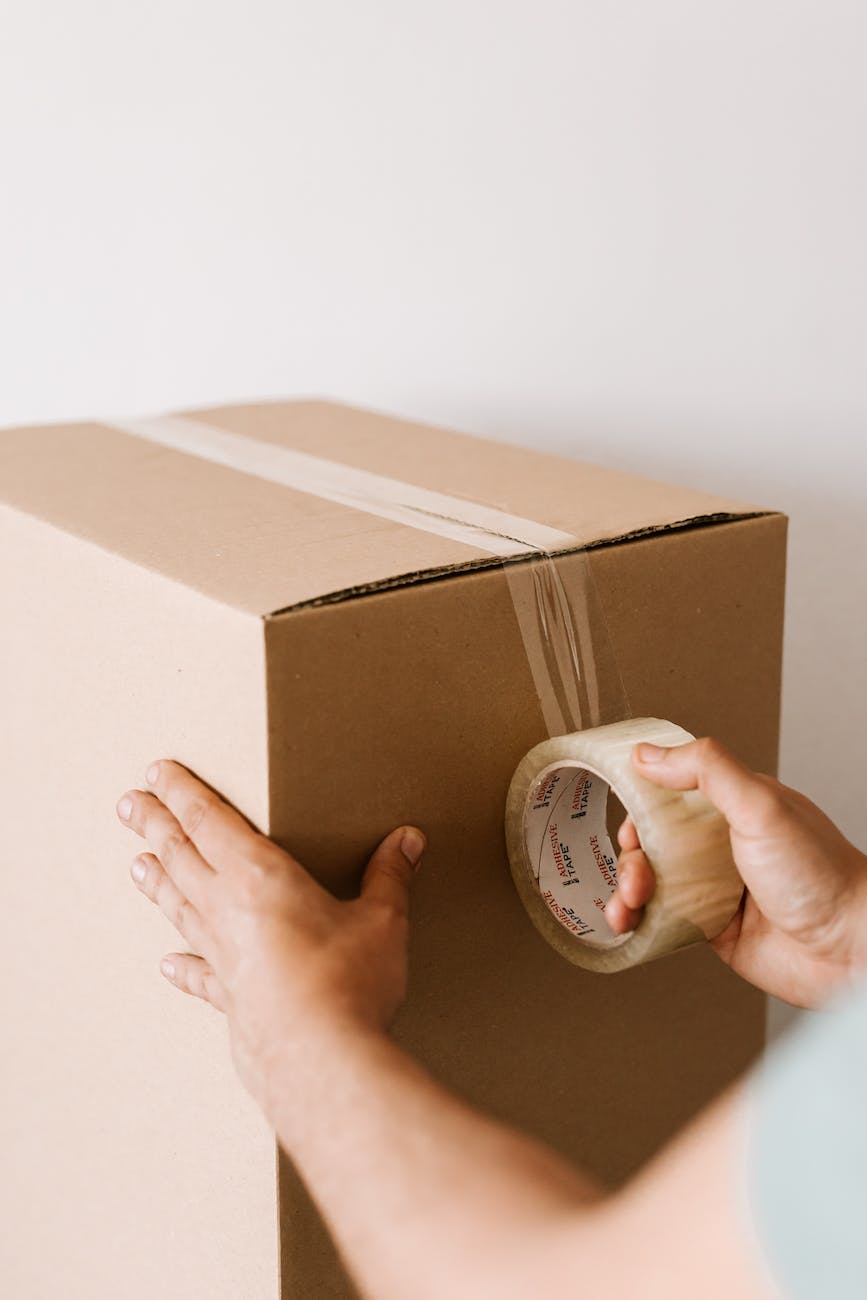
Immediately, it might be argued that any child is vulnerable to abuse because by their nature, a child’s age makes them more susceptible to being taken advantage of than most adults. However, there are some groups of children who, for various reasons, will be more likely to be abused than others.
It is important to keep in mind when referring to vulnerability to child abuse that a risk factor it just that – a risk only. Children may face one or more risk factors but this does not mean that it is inevitable that they will become a victim of abuse, as this is not the case at all.
What a risk factor does mean though is that a child who does have one or more of them should be closely monitored and, wherever possible, enabled and encouraged to speak up about their difficulties as enabling children to communicate more freely means that should an instance of abuse occur, they may be more confident to report what is happening to them.
Some of the risk factors that make children more susceptible to abuse include:
Neglect is a form of child abuse but it appears that there are specific risk factors which increase a child’s likelihood of experiencing neglect, which include:
Poverty
Lack of support
Living in a difficult environment- where there is deprivation and high rates of crime in the local area. It is known that children who live in deprived areas have a greater chance of abuse and of being subject to a child protection plan or being taken into care.


 CRINAMORPHO