#children, #dad, #development, #mom, mental health, support children

Support Children’s Mental Health

1. Stress Management 

Just as adults get stressed, so do young children. However, they may not have the coping strategies yet to handle it. Children may display stress through mood swings, difficulty sleeping, bedwetting or displaying signs of feeling physically unwell such as tummy aches. They may also change their behaviour and habits, becoming more clingy or sucking their thumb. 

When you see signs that your child is stressed, it is important to communicate with them on what may be the source of the problem. Firstly, identify the triggers, then help them to build a strategy towards overcoming the issue. Let them know that it is okay to be anxious or upset, and help provide vocabulary for what they are facing as well as calming techniques. I reccomend you to use pep cards.

2. Make Time for Play/ have fun with your child/ren

Routines are a source of comfort for children, so help build and maintain routines that you can adhere to consistently. Knowing what to expect helps children to feel secure and loved, whilst reinforcing good behaviour and developing positive habits such as washing hands or brushing teeth. It also removes anxieties surrounding the unknown or change. 

3. Healthy food/habits

A nutritious and balanced diet and regular exercise are essential in maintaining your child’s physical and mental health. Introducing good eating habits when they are young will continue as they grow older, and ensures that they have had the proper fuel to support their development.

4. Develop Self-esteem 

For older children in particular, issues such as popularity may impact their wellbeing and stress levels. Therefore, it is important to help them develop self-confidence, so that they can handle change and uncertainty with ease. Make sure to praise your child, celebrating their success and progress. In addition, help them understand that failure is inevitable and often beneficial, as it can help understand what to improve. 
#children, #copiii, #development, attachment theory

Attachment Theory

Attachment is characterized by specific behaviors in children, such as seeking proximity to the attachment figure when upset or threatened (Bowlby, 1969).

Stages of Attachment

Rudolph Schaffer and Peggy Emerson (1964) investigated if attachment develops through a series of stages, by studying 60 babies at monthly intervals for the first 18 months of life (this is known as a longitudinal study).

The children were all studied in their own home, and a regular pattern was identified in the development of attachment.

The babies were visited monthly for approximately one year, their interactions with their carers were observed, and carers were interviewed.

A diary was kept by the mother to examine the evidence for the development of attachment. Three measures were recorded:

• Stranger Anxiety – response to arrival of a stranger.

• Separation Anxiety – distress level when separated from carer, degree of comfort needed on return.

• Social Referencing – degree that child looks at carer to check how they should respond to something new (secure base).

Bowlby suggested that a child would initially form only one primary attachment (monotropy) and that the attachment figure acted as a secure base for exploring the world.

The attachment relationship acts as a prototype for all future social relationships so disrupting it can have severe consequences.

This theory also suggests that there is a critical period for developing an attachment (about 0 -5 years).

If an attachment has not developed during this period, then the child will suffer from irreversible developmental consequences, such as reduced intelligence and increased aggression.

Photo by Yan Krukov on Pexels.com
#children, #development, autisism, learning difficulties

What is Autism Spectrum Disorder?

I work with children with learning difficulties and I can tell you it’s fun and challenging at the same time but is so rewarding.

Autism is a lifelong developmental disability that affects how people communicate and interact with the world. One in 100 people is on the autism spectrum.

Autism is not an illness

Being autistic does not mean you have an illness or disease. It means your brain works differently from other people.

It’s something you’re born with or first appears when you’re very young.

If you’re autistic, you’re autistic your whole life.

Some autistic people have average or above-average intelligence.

Some autistic people have a learning disability. This means they may find it hard to look after themselves and need help with daily life.

Please note, this post it’s just a short version of it, the ASD is a very broad subject.

Photo by Polina Kovaleva on Pexels.com
#children, #copiii, #development, children's book, happy hippo, kind goose

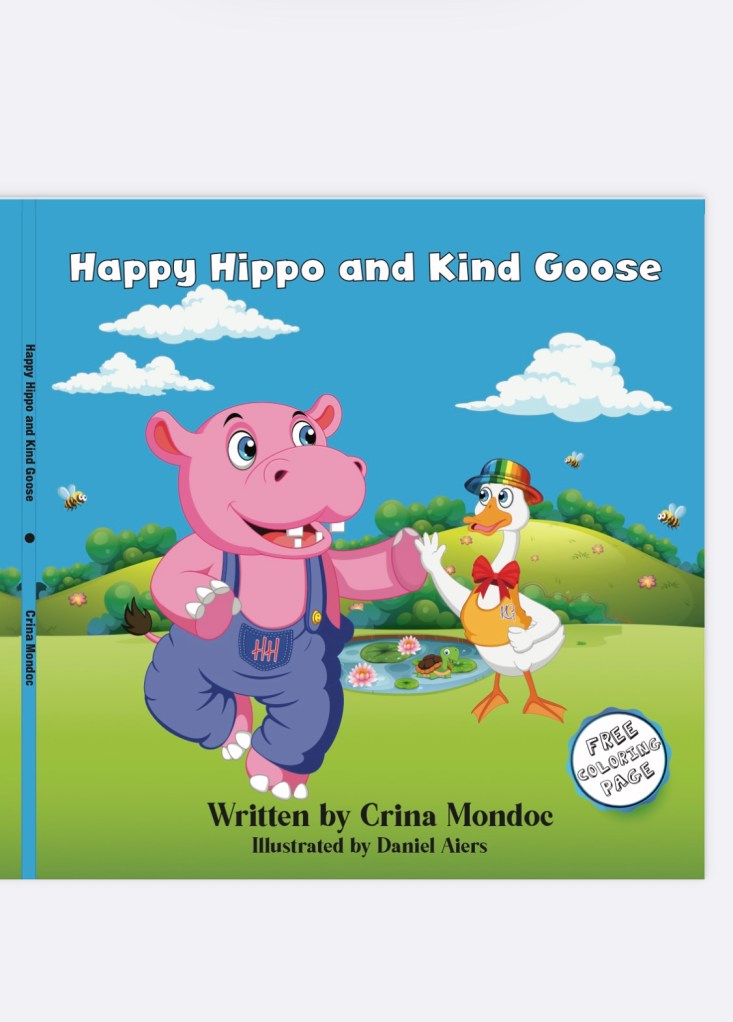
Amazing announcement

My absence from the blog is very well explained and comes with a surprise.
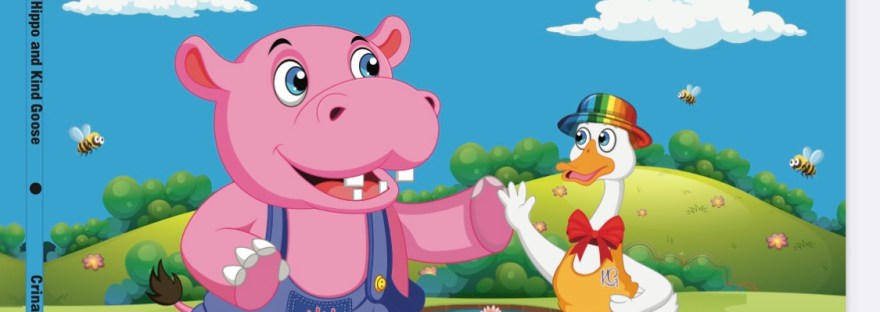
My children’s book Happy Hippo and Kind Goose is available on kindle edition on Amazon.co.uk. Soon paperback will be available.
If you want your children, grandchildren to have a great laugh and learn about friendship, kindness, happiness, then order a copy now.

Much appreciated 🙂

#children, #copiii, #development, humility

Teach your children humility

Humility is the quality of being humble. Being humble is the opposite of being proud!

Children need to know that achievements, social status, and abilities are not what give them worth. 

 What is even sadder is that children are being targeted by the pride monster. Social pressure is killing them. Constantly they have to promote themselves on social media and keep comparing themselves with their peers.

Humble children understand that all children have the same inherent worth as themselves. Help your children develop humility by:

Spending time together, be an example for them, show humility

Spend time outdoors

Teach a growth mindset

Encourage relationship with the people in their life

#children, #copiii, #development, educatie parentala, family bond, family time, positive parenting

Family time

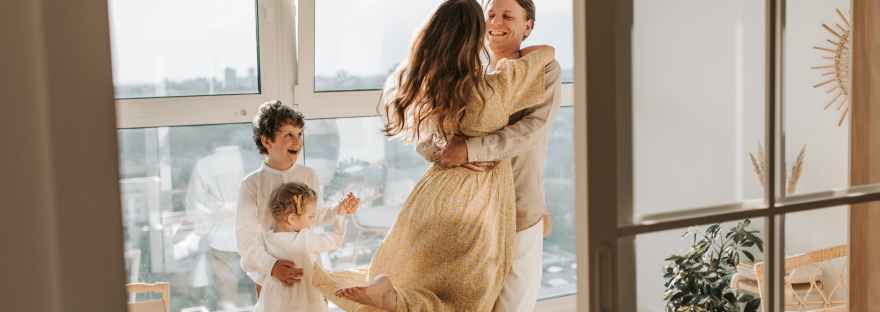
In the last year, we have spent less time with our relatives due to a global pandemic that is still affecting us.

But, some parents spent much more time with their children at home. Dealing with homework, managing behaviours, and getting to know more about their children, like-dislike and likes.

The global pandemic has allowed some people to spend more time with their children, which is a ”+” for both parties.

Spending time with family is such an important thing to do. Sure your children will appreciate it,

Do you want to know some benefits of spending quality time with your family?

  1. Increases self-esteem
  2. Strengthen family bond
  3. They feel cared for, loved, listened to
  4. Can help the child on his/her academic plan (academic performance)
  5. Reduces anxiety, worries
  6. It helps the child communicate better and be a good friend.
  7. It’s not just a plus for children but also for you as a parent. You will feel much happier, fewer worries, better communication with children for future issues, problem.

 Spend time with your family as we do not live eternal. Cherish the time you got with your family!

Photo by Vlada Karpovich on Pexels.com
#children, #copiii, #development, #toys, grateful, parenting tips and advice

Teaching children to be grateful

Start from an early age to teach your child/ren the art of appreciation and gratefulness

Sometimes, children do not understand (depending on age) that to have 4, 5 boxes of toys in the lounge, someone has to work to afford those toys, they aren’t falling from the sky nor a magic formula will bring stuff for us. So we have to explain, teach our children the art of being grateful, thankful with what they have and not asking every day for a robot, doll, Lego and so on

I have witnessed some parents bribing their child with a new expensive toy every time they wanted to go out on a Saturday night, they will say
”If you go to sleep now and behave,m tomorrow we will buy you a new toy” the child is snoring so off they went. Tell me to know, will the child appreciate the toys, or will she/he ever play with that toy?

Start by teaching them to say the magic words ”Thank you and please” Be a role model for them. Treat everyone with kindness.

Talk with children about sharing. Observe the child at a play date, is he/she happy sharing the toys?

What if you ask the children to pack up some toys they do not want and then take them to the children home or the poor family you know. Now is the time for the child to understand the art of gratefulness.

#children, #copiii, #development, #encouragement, afectiune

De ce este important să ne exprimăm deschis afecţiunea faţă de copii?

De ceva timp mă tot gândesc la cat de importanta este afecțiunea pentru copil. Părinții joacă un rol foarte important în a dezvolta emoțional copilul.

Cred ca cel mai important este ca un copil să experimenteze, să crească într-un mediu în care iubirea necondiționată îi este oferită.

Știu familii care își exprimă afecțiunea foarte des, alții foarte rar, dar de asemenea știu și familii care nu zic copilului TE IUBESC niciodată!

De ce este important să nu fim zgârciți în a arăta afecțiunea față de copil?

  1. Stabilește o bază a conexiunii și relației dintre părinte-copil.
  2. Motivează copilul și îl face să se simtă mândru, plin de bucurie
  3. Știu că sunt prețuiți și iubiți
  4. Își poate exprima emoțiile mult mai usor, etc.
Photo by Kristina Paukshtite on Pexels.com