#children, #copiii, #dad, #development, over-parenting

OVER-PARENTING

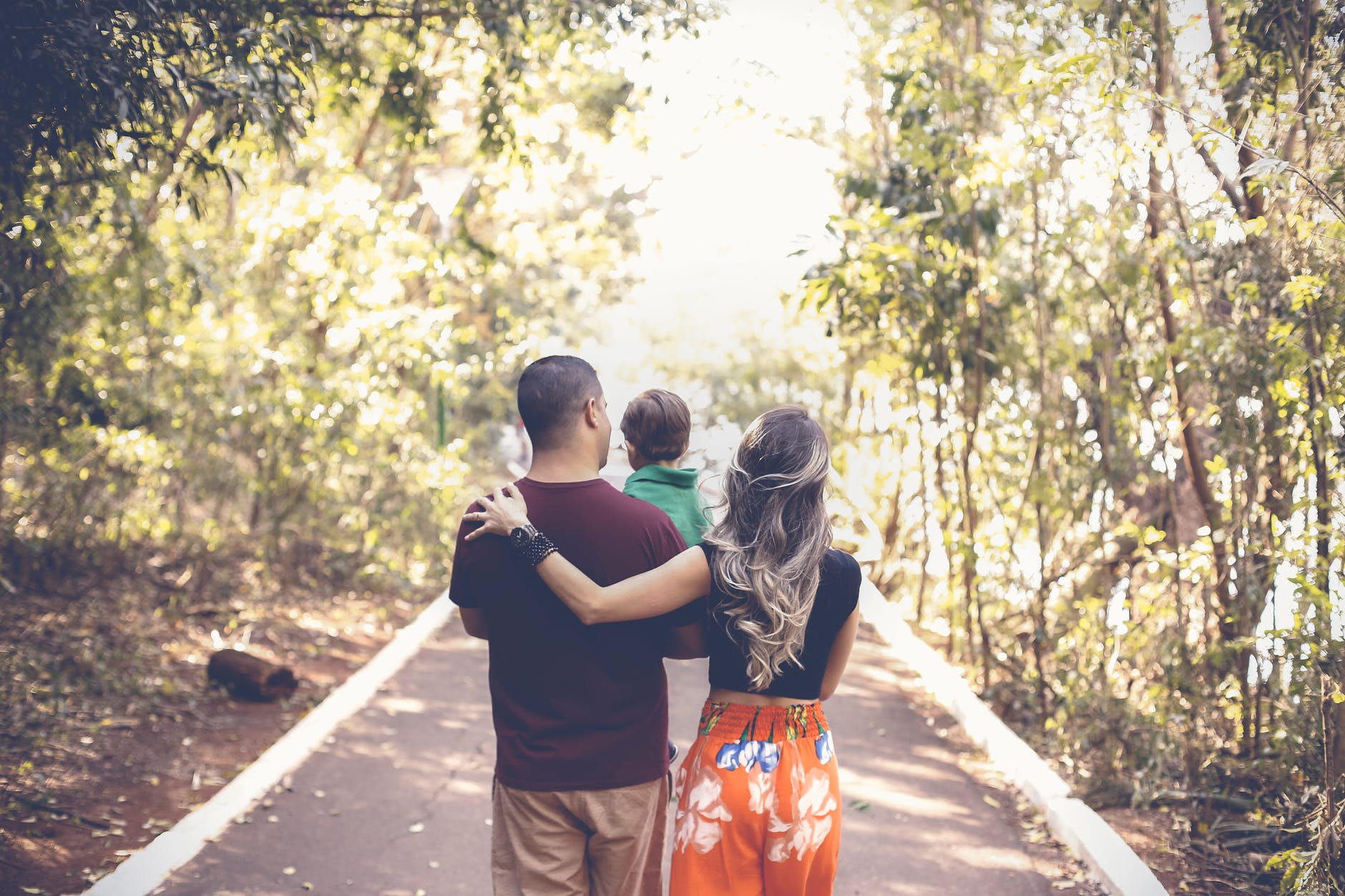
Here is a definition of overparenting – too much involvement by parents in the lives of their children, so that they try to help with or control everything that happens to the child: over-parenting can lead to anxiety and depression in young people.

Usually, over-parenting happens in families with one child or with the first child when parents are trying desperately to raise a perfect child which eventually will become the perfect adult, which word ”perfect” doesn’t exist!

By the age of 2, some children can read, write, cook, swim, drive, start up a business, and paint the walls not with poo but paint. I am exaggerating and sarcastic now. 

Over-parenting or tiger parenting comes in many forms and many actions done by the parents thinking that they are protecting and raising a healthy child, when in fact, they give no chance to that child to decide without their influential. Family Studies has found that over-parented children show less autonomy, competence and ability to relate to others as teens, which can result in depression and decreased overall life satisfaction.

Children deserve a childhood with no unnecessary restrictions from an over-parenting parent!

Relax, take a deep breath and re-think your parenting style!
About CrinaMorpho
#children, #copiii, #development, #parenting, educatie parentala, parents and children, parintii

Cum îmi învăț copilul să aprecieze ceea ce are?

Photo by Josh Willink on Pexels.com

Cred cu tărie că sunt mulți părinți care au observat la un moment dat cum copilul lor nu apreciază ceea ce au. Cu căt le cumpără și oferă mai multe cu atât disprețuiesc ceea ce au.

Primul pas este chiar acesta, de a conștientiza atitudinea copilului tău și a recunoaște că nu este corectă.

De obicei găsim atitudini nemulțumitoare in familiile cu o stare financiară peste medie, părinții care oferă totul pe tavă copiilor lor fără a-i învăța arta aprecierii.

Cum putem schimba situatia?

  1. Tu ești modelul copilului. Folosește cât mai des ”MULȚUMESC, TE ROG”.
  2. Comunicarea ( în funcție de vârstă) ieri ai cumpărat o jucărie scumpă, azi îți cere una, tu ce faci îi cumperi sau comunici cu el/ea situația? Cumpărând ceea ce vrea copilul la fiecare reclamă văzută, sau shopping nu facem decât să instalăm disprețuirea față de valoarea lucrurilor deja avute. Oricum copilul se plictisește de jucărie cam după 10 minute, și apoi se pune praful pe ia.
  3. Vorbim copiilor despre empatie, mulțumire, dărnicie, generozitate și le amintim cu unii copii nu au aproape ce mânca iar ei au totul în fiecare zi.
  4. Fiți confidenți în a spune ”NU” copiilor. Ei vor cere jucării, bomboane, jocuri video, poate la fiecare oră vin cu cereri crezând că li se cuvine totul și orice dorință li se împlinește ca atunci când lui Aladdin i se îndeplinea orice dorință de către Duhul din lampă. DAR ce se va întâmpla peste 20 de ani când copilul acum adult înfruntă realitatea din societate? Aaaa am înțeles, o să fie CEO la firma familiei, dar care o să-i fie atitudinea față de bieți angajații?

Un copil mulțumitor și plin de bunătate va fi un adult responsabil și plin de generozitate!

#children, #copiii, #dad, #development

Teaching kindness to children

To the world, you may be one person, but to one person you may be the world. ― Dr Seuss

Many parents are wondering when should I teach kindness to my child?

Well, do not forget that the child is imitating you and you are his/her role model at least in the early years.

“We can’t control their behaviour, but we can look for ways to demonstrate kind behaviour ourselves.”

Fortunately, kids are eager to copy us from a young age, so you can model kindness from the time they’re babies. “After all, you want your 18-month-old to imitate hugging someone. As they get older, your kids will watch how you treat people, from subtle interactions, such as putting your phone down to make eye contact and say thank you, to more tangible acts of kindness, like inviting a lonely person to share a holiday, bringing a meal to a sick neighbour, comforting the bereaved, and donating time and money to take care of people in need.

Photo by Anna Tarazevich on Pexels.com
#children, #copiii, #development, #parents, emotional inteligence

Emotional intelligence for children

Photo by Pixabay on Pexels.com

 Do you let your children express their feelings, or you ask them not to cry and go to their room?

Are you supporting the child to express those feelings, emphasise with an angry, frustrated, happy, sad child?

”If we were told from the beginning that childhood defines adult mental health, we would take care to be more loving of a child’s soul”.

I think most of our parents would relate to this sentence.

Emotional intelligence is the ability to be smart about managing your emotions.

E.I describes someone’s ability to express his or her emotions appropriately, to correctly interpret other people’s emotions, and to understand the triggers and outcomes of certain emotions.

From the age of two, your child should be able to show affection, you might see three years old comforting an upset child, they five hugs or a toy. They are capable of understanding the feeling of others. There are thousands of ideas on how to teach your child about emotions ( use cards, be a role model, and other technics like “bubble breaths”).

Imagine you are a 5 y.o and you playing with Legos, building a house, and someone comes and is destroying your work, what do you do next as a child?

But what would a parent that knows the importance of E.I in early childhood? Most probably will come to you and let you communicate your feelings, talk with you about understanding others, compassion, and support you in building the new house of Legos

#children, #copiii, #development

Parent-Child Attachment

Attachment is one specific aspect of the relationship between a child and a parent where the child should feel safe, secure, protected.
Children first form attachments to their primary caregivers in infancy but continue to need attachment figures across childhood and adolescence.
Parents who do a good job of listening to their child, create more confident children, who will openly vocalize their needs.
The attachment theory describes very well the connection between a child and the parents or their careers.

Subscribe to get access

Read more of this content when you subscribe today.

#children, #copiii, #development

4 ways to boost children’s self esteem

Children must be taught how to think, not what to think. ― Margaret Mead

Self-esteem is feeling proud, resilient, good, happy about yourself. Children usually absorb the level of self-esteem from their parents, as the parents are the mirror for them.

Subscribe to get access

Read more of this content when you subscribe today.

Sorry! This product is not available for purchase at this time.

Here are 4 ways to boost their self-esteem.

  1. Praise – is very important to be eyes and ears in what and how your child is doing and always communicate with the child, tell them you appreciate their hard work after an exam had the place, tell them that the result doesn’t matter as you know they did a great job. Or you have noticed a good change in their behaviour, he/she does the washing up, why not praising (try not to be fake).

2. Give compliments – Especially with young people is a bit of a tricky situation because once they start school, their social life is expanding and they might take in consideration some wrong opinions or bad role models. Giving compliments from an early age is the key to boost their confidence in themselves. Remind them how beautiful, special and unique they are. You can play a game with them by asking to give 2 compliments to you and you will share the compliments too.

Build positive relationships with your children – work might be tiring for you, you feel like you are drained after hard work and you come home and the child is asking you to play together. What do you do?

Well, if your answer is: Sorry baby, I am tired.

Or: Sure, let’s say what you are doing here, have you done this lego tower today? I am a bit tired from work, but I will play with you for 10 minutes. The child can understand you and you just build a positive relationship with the child.

Respect your child’s feelings by listening and talking with them.

3. Unconditional love – Just knowing that you love and support them, will increase their self-esteem. Let your child know that you will always love him/her unconditionally, no matter what happened. Give hugs say I love you often.

4. Be careful when correcting your child’s behaviour – Do not yell, criticise or blame the child in front of their friends, public spaces, not even at home. Do it calmly and give a reasonable explanation. Help the child understand their actions.

Photo by Julia M Cameron on Pexels.com
#children, #development, #parenting

POSITIVE PARENTING

What is positive parenting?
Positive parenting builds healthier relationships between parents and their children. It gives the parents the tools they need to use at the right time, is also focused on developing a strong committed bond with the children based on respect and communication.
Some studies show that children with parents that care and take the parenting classes are much happier and open to talk about their problems with their parents.
Being a positive parent means:
To set boundaries
To be responsive
To care and to act
To prioritise the time you spent with children
Be honest
Listen

Be a good role model#

And the list can continue.

If you need help with you parenting styles, let me know.

Photo by Katie E on Pexels.com
#development, educatie parentala

Cum le arătăm copiilor că ne pasă de ei?

Trebuie să înțelegem că fiecare copil este unic. Atunci când într-o familie sunt 2 sau mai mulți copii există riscul să nu acordam atenție egală între ei, sau mai mult să avem aceleași așteptări de la fiecare copil în parte, ceea ce este total greșit și provocator pentru copilași.

Pentru a le arăta afecțiune, grijă dar mai ales ca suntem interesați și ne pasă de ei, am pentru voi 6 puncte de urmat.

  • Spuneți-le că-i iubiți, dar mai ales arătați-le asta – acțiunile sunt mai puternice decât vorbele.
  • Lăudații pentru ceea ce fac bine, chiar dacă nu este exact așa cum ați vrea voi să fie, evitați să le spuneți cum ați fi făcut voi. Dar mereu puteți sugera o altă modalitate de a face lucrurile, dar aveți grija la cuvintele pe care le folosiți.
  • Exprimați-vă complimentele față de ei, dar să fie cât mai sincere… poate că au făcut un efort deosebit de a aranja hainele în dulap, chiar dacă pentru adulți nu este tocmai cum ar trebui, apreciați acțiunea.
  • Arătați interes în ceea ce îi interesează pe ei. Dacă ei arată un interes în muzică (chiar dacă nu este genul de muzică pe care voi îl agreați) măcar arătați-vă interesul, curiozitatea în ceea ce face. Acum, dacă genul în acela de muzică se folosesc cuvinte nu tocmai de folosit pentru un copil, este momentul să aveți o discuție deschisă și calmă cu copilul.
  • Transmiteți-le clar că nu agreați comportamentul lor ci NU pe ei, este doar comportamentul care trebuie îndreptat ci nu copiii.
  • Acordați atenție copiluli atunci când vi se cere, dacă se întâmplă să fiți ocupați nu raspundeți cu ” nu acum, lasă-ma, sunt ocupat/ă” este de recomndat să le arătați interesul fașă de ceea ce vor să va zică, arate, puteți încerca raspunsul următor ”sunt un pic ocupat/ă acum, dar imediat ce termin vin să vorbesc cu tine” prin asta părintele, tutorele arată că-i pasă și este interesat de copil.
Photo by Daria Shevtsova on Pexels.com
#children, #copiii, #dad, #development

Copiii își imită părinții

Te-ai întrebat vreodată, de ce mă imită copilul?

Copiii imită adulții încă din primii ani de viață, este stilul lor de a învăța despre lumea ce-i înconjoară.

Atenție filmuleț prea drăguț https://www.youtube.com/watch?v=F9Ow8yW0c3E ( copiii imită părinții).

Copiii sunt oglinda părințiilor, cel puțin până în primul an de școală, atunci vor imita colegi, profesori, practic vor avea de unde să aleagă pe cine să imite, din păcate vor imita și exemplele de AȘA NU. Dar aici este datoria părinților de a intervenii cu scopul de a corecta.

La vârsta de 2 ani, copilul va imita din acțiunile părințiilor. Cum ar fi:

  • Vorbesc la telefon, vor folosii obiecte pretinzând că este un telefon
  • Vor încerca să te ajute atunci când dai cu mopul

Ei imită deoarece vor sa fie exact ca părinți sau frații lor. Se uită la tine ca la un model de urmat, vor sa fie ca tine atunci când vor fi adulți.

Photo by Kamaji Ogino on Pexels.com
#children, #copiii, #development, #kindness, #parenting, #trauma, parents and children

PARENTING STYLES

Make sure your parenting style is supporting healthy growth and development because the way you interact with your child and how you act will influence your child’s future

There are four types of parenting styles:

  • Authoritarian
  • Authoritative
  • Permissive
  • Uninvolved

Authoritarian

  • The parents do not take the children’s feelings into consideration
  • Children’s point of view, comments, or desire is not valuable.
  • Lots of rules and children MUST follow them or get into trouble
  • They have high expectations for their children
  • When a child asks ”why” they respond ”because I said so”

Authoritative

  • Are responsive to the child emotional needs while still having high standards
  • They explain the reason behind the rule
  • Encourage independence
  • I think this style is the most popular one.

Permissive

  • They have rules but rarely are enforcing them
  • They tend to be very loving with their children, yet provide few guidelines/rules
  • They are much like a friend to their child, not a parent figure.

Uninvolved

  • They don’t ask your child about school or homework
  • They are neglectful, indifferent with the child/ren
  • Rarely know where your child is or who she is with

The parents are all different, raising their children with different styles.

Some have more than one style. Before judging a parent for their parenting style, we have to look into ”their history” or better said their past. If they were abused, neglected they might copy their parent’s, they take them as a model 

There are also exceptions; we can’t guarantee or judge a future parent based on their past. If my parents were uninvolved, this doesn’t mean that I will be uninvolved, for sure I will not.

The uninvolved one is describing my parents after I turned 12-13, my parents changed their style, from authoritative to uninvolved style. If you are asking how come? My Dad became an alcoholic and Mom had enough and became absent.

PARENTS, be present, role model, if you need help with your parenting, ask for help.

#children, #copiii, #development, activities

Fun activities to do at home with children

Some of us are stuck in the house, and I know that some of you are trying your best to keep the children busy, but not by giving them a gadget, or let them watch the TV all day long. You are a responsible parent.

Depending on the children’s age, you can try doing some of these indoor activities:

  1. Karaoke, cause why not? Be careful to choose the right playlist.#

What are some benefits of singing at home?

  • It’s good for the mind, helps the memory, helps the child learn rhythm and rhyme. And you never know, the child might develop a new passion for the music.
  • Doing karaoke with children it’s a great way to bond; it’s good for the parents, siblings.
  • You can clearly say the mood change when you give that karaoke mic to the child.

2. Baking

I have always loved to bake biscuits, cookies with children, it’s my favourite activity.

Benefits?

  • Eye-hand coordination
  • Cooking encourages children’s thinking, creativity.
  • You can learn the child the basic skills, like counting.
Photo by Ketut Subiyanto on Pexels.com
#children, #copiii, #development, #disadvantaged

Fiecare copil contează

Copiii sunt așa de inocenți, te iubesc fără prejudecări, îți zâmbesc în supermarket, pe strada, în parc.

Da, fiecare copil contează pentru mine, pentru noi, fără a ține cont de etnie, de familia de care aparține, dacă sunt bogați sau săraci, religia nu contează. Copilașii sunt prețioși în viața noastră.

Putem noi oare să judecăm un copil pe baza a ceea ce a făcut, sau ce crede familia sa?

Imaginează-ți cazul următor – Alex are 9 ani și provine dintr-o familie cu o stare financiară precară, merge la școală rareori, iar hainele lui mereu sunt murdare. Acum, ce face Doamna Profesoară? Din păcate în cele mai multe cazuri, nu o interesează, nu o deranjează că acel copil lipsește. Dar ce face asistentul social, practic stă la birou, înconjurat de documente. aEste un caz, în general, nu toții oamenii acționează la fel…

Cazul 2 – Maria are 7 ani, provine dintr-o familie bine-cunoscută din oraș, părinții au stare financiară destul de bună. Într-o zi nu apare la școală, de obicei Maria era acolo la ora 9, în prima bancă. Doamna profesoară sună părinții și se interesează de Maria. Cazuri diferite, acțiuni diferite.

De ce nu ne-am interesa de toții copii care lipsesc de la școală, sau care vin cu haine murdare? Pentru că unii oamenii judecă situația de bunăstare a familie, judecă copilu in funcție de FAMILIE!

Fiecare copil contează, niciodată nu vom știi cum un copil sărac v-a ajunge într-o funcție importantă, si sunt multe exemple. Doar da-ți o șansă unui copil și ve-ți vedea acel copil înflorind.

Photo by BARBARA RIBEIRO on Pexels.com

Donations for poor children- Christmas time 🎅🏽