#children, #copiii, #development, activities, children, pregnancy and babies

3 TIPS FOR CREATING A GINGERBREAD HOUSE WITH YOUR CHILDREN

It is believed gingerbread was first baked in Europe at the end of the 11th century when returning crusaders brought back the custom of spicy bread from the Middle East.
Did you know that ginger has the property to preserve the bread?
I remember when I was around 14-15 I have done my first gingerbread house, it did not look like a house though and keep in mind I wasn’t 6, 7 or 10 years old, but I remember it was fun.
When you want to do the activity with your toddlers, keep in mind that it will be messy, so practically throw all your expectations out the window and just have fun with the little ones!
First tip: Provide, buy more candies, sweets than you plan to use, you know why right?
Well, the children try the candy first to be sure that is sweet, tasty or good enough to be attached to the house, one in their mouth one on the house… But make sure they do not exaggerate, or no sleep that night, their energy will go up.
Second tip: Have the recipe, the making in your mind already as children lose their patience easy and quick, so to have their attention, the adult must know what’s next.
Third tip: Be prepared for the mess afterwards. It gets messy doing the gingerbread, especially if you work with more than 2 children, depending on their age band you can require and receive help with tidying up.

Photo by Snapwire on Pexels.com

#children, #development, jucarii educative

Aveți casa plină de jucării?

Părinții cad de multe ori în capcane când vine vorba despre a cumpăra copiilor jucării, reclamele de multe ori nu specifica la ce anume ajută jucăria promovată de ei.

Ajuta copilul să își dezvolte imaginația și creativitatea, simțurile și abilitățile logice, promovează cumva abilitățile motorii și fine? Sunt câteva dintre caracteristicile care ar trebui promovate în același timp cu promovarea jucăriei.

Să ne gândim bine, atunci când se cumpăra o jucărie, cine a făcut primul pas, copilul sau părintele?

Cred că fiecare părinte are o povestioară asemănătoare ” Mihaela, mama a 2 copii cu vârste cuprinse între 5 și 7 ani, într-o zi de sâmbătă, s-au dus toți 3 la cumpărături, Izabela de 5 ani vede o păpușă Barbie într-un ambalaj sclipitor, roz, fetița apucă jucăria de pe raft și o pune în coș, mama pare îngândurată și îi spune fetei că mai are înca 3 păpuși Barbie acasă, chiar o vrei și pe asta, Izabela?

Alex 7 ani, pune ochii pe o mașinuță de pe un raft, mașinuța e mare și cu luminițe, sunete și ambalaj albastru, fermecător, băiatul pune și el mașinuța în coș, acum toti 3 se îndreaptă spre casa de marcat, mama este părinte singur din cauza aceasta finanțele lor sunt limitate, dar cedează ușor la dorințele copiilor”.

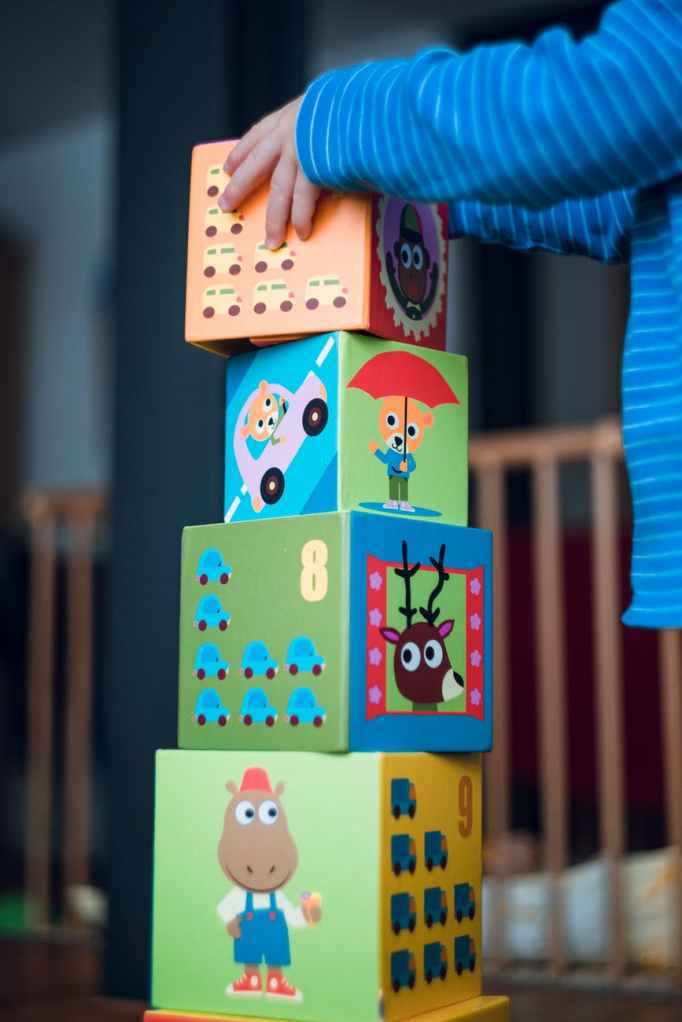
Credeți că păpușa Barbie sau mașinuța cu luminițe și sunete vor contribui în vreun fel la dezvoltarea lor? Din contră, copii se plictisesc repede de jucării, ceea ce noi trebui să învățăm copilul este BUGETUL, FINANȚELE, ceea ce în țara noastră nu are prea mare importanță. Nu zic să nu cumpărați jucării copiilor, dar cumpărați doar ceva educativ, ceva ce le stimulează dezvoltarea, cum ar fi un joc din lemn cu forme geometrice, puzzle, instrumente muzicale, Lego.

Mai sunt unii părinții care cumpără jucării fără să întrebe copilul ce pasiuni are, sau să se gândească la nevoile lor, pur si simplu cumpără jucării cu grămada, le dă copilului pentru o fericire de 2 ore. Unii părinți pur și simplu oferă copiilor lor jucării cu gândul de a le ocupa timpul, le dă jucăria și-i lasă in sufragerie să se joace, după o ora copiii își pierd interesul în jucărie, și găsesc interesantă cutia, ambalajul jucăriei, se joacă cu aceea cutie zile întregi.

Știți, dacă vreți să salvați bani, și să petreceți timp de calitate cu copilul, puteți cheltui 0 LEI, și să aveți un timp distractiv alături de copil. CUM?

Faceți împreună aluat – plastelina ( playdough) colorat, aveți nevoie de făină, sare, ulei și colorant alimentar, apă.

Vă las un Link aici https://www.youtube.com/watch?v=oAIAm6BF0fs

Photo by Markus Spiske on Pexels.com

#children, #development, pregnancy and babies

4 common worries for new mums

Being worried it’s natural and normal for new parents, panicking about every little thing and reading books before giving birth, it’s all normal.
Before giving birth, you have different worries than after the baby is born. While you are pregnant you might be anxious that the baby didn’t move yesterday, you are thinking about the labour and delivery, and how will you coop within the first month of your baby’s life.

  1. Is my baby getting enough to eat – I heard some mums saying that they woke up the babies to feed them, I think is a mistake to wake up the baby, if the baby is hungry, for sure the baby will wake up and cry in a way of asking for food. If you are waking up that baby every time he sleeps, for sure, you will make that a routine in his brain so the baby will wake up when he/ she is 2, 3, 4 years old.

2. The fear that your baby will die – Being a new parent can be stressful sometimes. My Mum told me that when I was a baby (in my first days of life) she was so worried that every night she will take turns with my Dad to check on me with the mirror trick to see if I am breathing, now that’s anxiety.

3. The baby is crying too much – A lot of parents discover how often and how long newborns cry, especially for dads could be stressful and they start panicking that something it’s not right with the baby, which usually it’s normal or the baby’s needs are not meet.

Donations for poor children- Christmas time 🎅🏽

4. The baby sleep – In the first pregnancy some mums read tons of books about baby’s sleep, but you have to understand that every baby is different and special, so if in the book says that your baby needs 12 hours of sleep, well do not believe it, or worse be anxious that your baby is only sleeping 10 hours. The baby will sleep as long as she/needs.

#children, #development

Bonding and attachment in babies

The word ”attachment” describes the emotional bond between a child and their main caregiver that develops during their early years of life

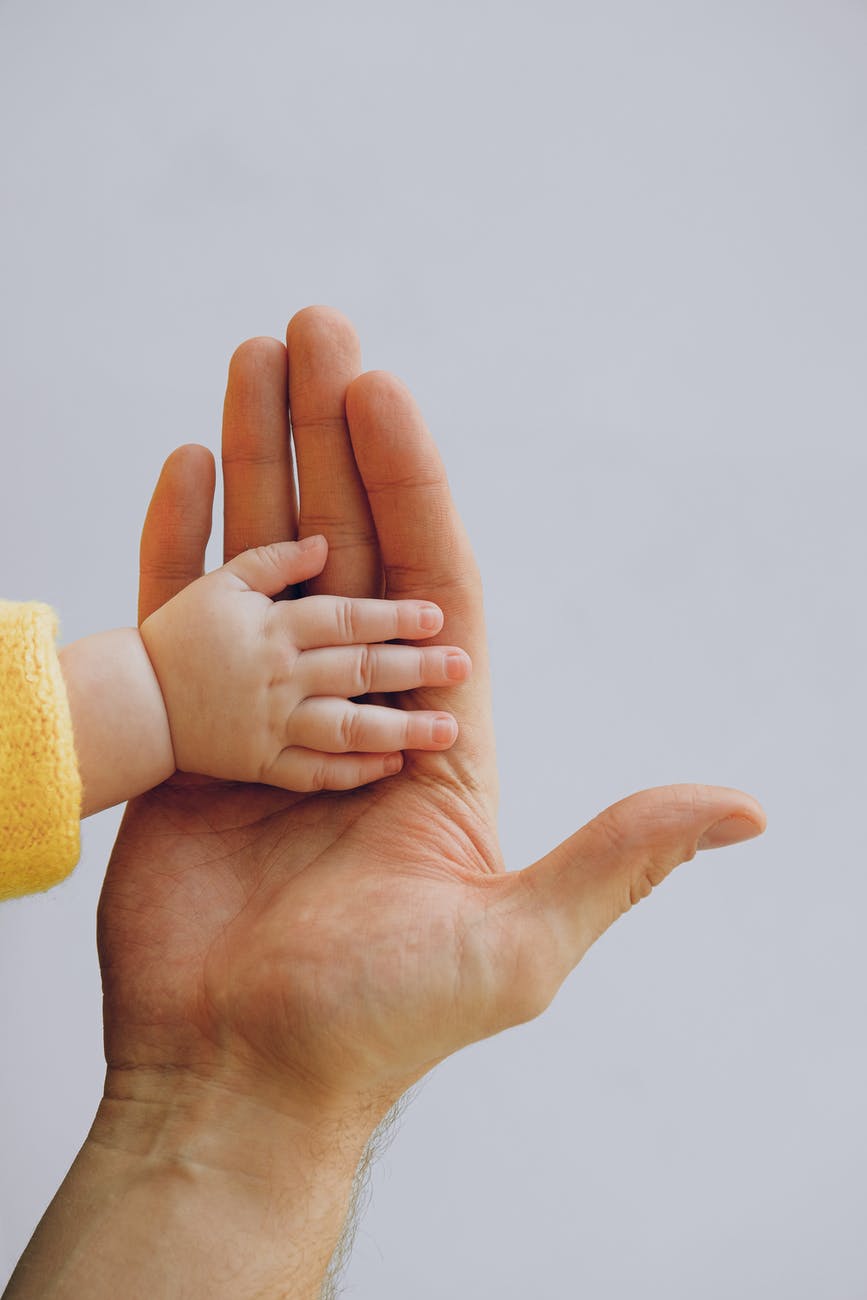
When the baby is around 9 months can show you signs of emotional attachments. Bonding and attachment in very early infancy is important tfor a healthy development of baby and child, parents need to be aware of importance of interacting and communicating with their baby.

Insecurely attached babies are at greater risk of problems in emotional development, and children with very poor attachment experiences are at greatest risk of failure to thrive in early years they can develop problems like(lowered self-esteem and schooling difficulties in childhood or later in life).

Now, I wanna talk about the bond between a baby and their nanny, nursery teacher, any other person but not the PARENTS.

Imagine, you bring your child to the nursery, the child is 10 months old, the baby comes to the nursery every day from 9 am to 6 pm, now, is that child attached to the people in the nursery more than the parents?

I have experienced a case like this, the child was so attached to me that there were times when he only wanted me, of course he enjoyed his parents, but you can see on parents face the jealousy, when giving a brief feedback about the child’s day.

I am not trying to blame the parents, I am just trying to talk from my point of view, being in the position of taking care in a setting ( with joy, and care) of someone elses child for 10 hours a day, every day. PARENTS, try to understand and see the importance of your children emotional attachment, do not be jealous, at the end of the day that child is YOURS, we are just doing our job with care, joy. passion.

The bonding between the young child and their caregivers provides the experiences required to develop physically, emotionally, and cognitively. Lack of consistent and enriched experiences in early childhood can result in delays in motor, language, social, and cognitive development.

#children, #copiii, #development, #encouragement, #parenting, education

Child development from birth to 2 years

Like I said before, all my work experience (5 years) it’s about childcare, working with teens, and social work. I love to work with children, especially to make a difference in their lives, I watch them growing and developing.

Children develop quickly in the early years, and the persons around them have to do all they can to help children have the best possible start in life.

From early on, babies produce responses – such as smiling and crying, cooing. Infants can smile and cry. Initially these are reflexes but parents typically respond as if they were intentional communications. So the infant learns the social consequences of crying and smiling.

Birth – 11 months:

  • Enjoys the company of others and seeks contact with others from birth
  • Baby can respond when talked to, for example, moves arms and legs, changes facial expressions
  • Seeks physical and emotional comfort by snuggling in to trusted adults
  • Can recognise and react to Mom’s voice for example
  • Stops and looks when hears own voice
  • Makes own sounds in response when talked to by familiar adults
  • Baby can turn head in response to sounds and sights
  • Makes movements with arms and legs which gradually become more controlled.

From 12 months to 24 months:

Between 1-2 years old, they are developing important fine motor skills and gross motor skills. Their balance, climbing, speaking and running will develop rapidly. It’s the transformation time, you will see the baby transforming from a baby to more a toddler.

1year-old will begin to try and become independent in many ways.

  • gross motor skills: Most babies take their first steps before 12 months and are walking on their own by the time they’re 14 or 15 months old.
  • Fine motor skills: By 24 months, your little one can likely drink from a cup, eat with a spoon, and help get undressed. 
  • Explores new toys and environments, but will checks in regularly with a a familiar adult as and when needed
  • Demonstrates sense of self as an individual, e.g. wants to do things independently, says ”NO” to adults.
  • Also they can have tantrums.
  • Their vocabulary will count many easy words.

Notice: Children develop at their own pace, so don’t worry if your child doesn’t do what your neighbour child does. As a parent, you know your child best.

Photo by Daria Shevtsova on Pexels.com