
#children, #copiii, kinder egg, pericol de sufocare, jucarii

Atenție mare la jucăriile minuscule pe care le oferiți copiilor!

Am citit o știre foarte tristă azi. Un copil de 5 ani din Romania a făcut stop

cardio-respirator după ce a înghițit jucăria din oul de ciocolată Kinder.

În anul 2016, o fetiță de 3 ani din Franța a murit după ce s-a înecat cu plasticul din oul Kinder. Din nou, în anul 2000 mai mulți părinții din UK au făcut o petiție prin care cereau ca oul Kinder să fie interzis în UE, dar se pare că s-a refuzat această dorință a părințiilor, din păcate.

În USA sunt interzise din 1938 deoarece nu se permite introducerea unor obiecte non-nutritive în dulciuri.

În Chile oul cu surprize și Happy Meal sunt interzise. Ei vor copii sănătoși, mâncare sănătoasă fără a da obezitate copiilor.

Dacă cumpăram acest ou de ciocolată, ar trebui să ținem cont de jucăria minusculă care ar putea oricând să fie înghițită de copil, accidental sau din pură curiozitate o pune în guriță. Eu vă recomand să renunțați la acest ou cu surprize căruia nu-i văd nici-o parte benefică, plus jucărioara este din plastic, se rupe rapid, nu are calitate, e minusculă și plus copilul se plictisește de jucărie în mai puțin de 5 min, vă garantez.

****Acest articol nu are intenția de a defăima imaginea producătorului.
#children, #copiii, #development

4 ways to boost children’s self esteem

Children must be taught how to think, not what to think. ― Margaret Mead

Self-esteem is feeling proud, resilient, good, happy about yourself. Children usually absorb the level of self-esteem from their parents, as the parents are the mirror for them.

Subscribe to get access

Read more of this content when you subscribe today.

Sorry! This product is not available for purchase at this time.

Here are 4 ways to boost their self-esteem.

  1. Praise – is very important to be eyes and ears in what and how your child is doing and always communicate with the child, tell them you appreciate their hard work after an exam had the place, tell them that the result doesn’t matter as you know they did a great job. Or you have noticed a good change in their behaviour, he/she does the washing up, why not praising (try not to be fake).

2. Give compliments – Especially with young people is a bit of a tricky situation because once they start school, their social life is expanding and they might take in consideration some wrong opinions or bad role models. Giving compliments from an early age is the key to boost their confidence in themselves. Remind them how beautiful, special and unique they are. You can play a game with them by asking to give 2 compliments to you and you will share the compliments too.

Build positive relationships with your children – work might be tiring for you, you feel like you are drained after hard work and you come home and the child is asking you to play together. What do you do?

Well, if your answer is: Sorry baby, I am tired.

Or: Sure, let’s say what you are doing here, have you done this lego tower today? I am a bit tired from work, but I will play with you for 10 minutes. The child can understand you and you just build a positive relationship with the child.

Respect your child’s feelings by listening and talking with them.

3. Unconditional love – Just knowing that you love and support them, will increase their self-esteem. Let your child know that you will always love him/her unconditionally, no matter what happened. Give hugs say I love you often.

4. Be careful when correcting your child’s behaviour – Do not yell, criticise or blame the child in front of their friends, public spaces, not even at home. Do it calmly and give a reasonable explanation. Help the child understand their actions.

Photo by Julia M Cameron on Pexels.com
#children, #copiii, alaptatul, mama și bebe

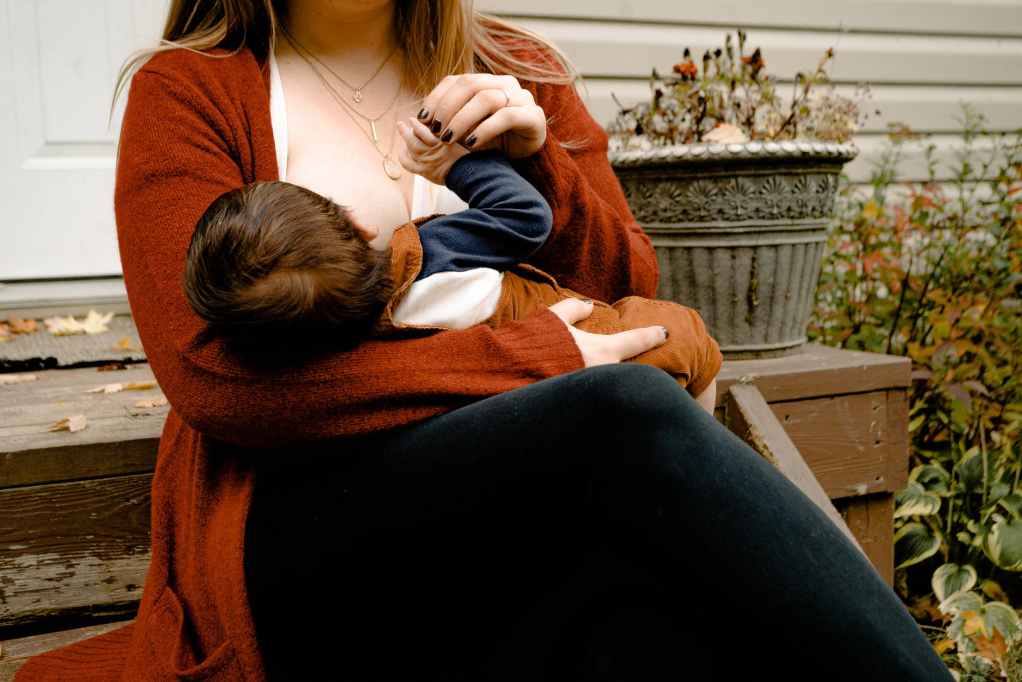
Alăptarea la sân

Deși nu am alăptat niciodată, am văzut-o pe mama alăptând pe frații și surorile mele. Îmi aduc aminte atunci când unul din frații mei plângea, singura mea soluție era ca mama sa-i dea lapte de la sân cât mai rapid. Eram fascinantă de tot procesul și mă întrebam de unde vine acel lapte, oare o să se termine vreodată? Speram să nu deoarece îl liniștea pe bebe, practic era cuminte, dormea.

Mai târziu am auzit mame spunând că nu au produs lapte pentru bebe ( ceea ce este mai mult un mit), sau bebele nu vrea să tragă lapte, sau am auzit de mame care au refuzat alăptatul. Lucrând cu părinții și copiii am avut ocazia să mă informez despre alăptarea la sân ca mai târziu să fac un curs acreditat de parenting (educare parentală).

Personal, sunt pro-alăptare, sunt așa de multe beneficii pentru bebe.

Colostru matern – În primele ore de după naștere primul lapte pe care mama îl va putea oferi bebelușului se numește colostru matern și are niște proprietăți uimitoare pentru bebe, este bogat în minerale, vitamine de asemenea mai este numit și primul vaccin pe care bebele îl primește deoarece este bogat în anticorpi și celule albe care distrug bateriile. În acest lapte se pot găsii probiotice și prebiotice care NU se găsesc în lapte praf.

Colostru matern durează 3-4 zile și are o culoare gălbuie. Dup aceste zile lapte va avea o culoare albă.

Atunci când îți alăpteze copilul se creează o relație uimitoare între mama și copil, de obicei bebeii se uită fix în ochii tăi, o conexiune de prețuit.

Alăptați copilul cel puțin 6 luni. Am cunoscut mame care alăptau copilul și la 15-18 luni. Eu cred că alăptatul ar trebui oprit la vârsta de 2 ani sau atunci când bebele și /sau mama sunt gata de a se oprii. Dar oferiți copilului și hrană tare după vârsta de 6 luni ( înțărcarea blândă) asta înseamnă ca după 6 luni aducem în alimentația copilului din alimente sănătoase, produse pe care noi le folosim, de exemplu apă, piure de fructe, legume.

Alăptați copilul dacă vi se permite dpdv medical.

Acel lapte este super benefic pentru bebe.

#children, #copiii, #dad, #development

Copiii își imită părinții

Te-ai întrebat vreodată, de ce mă imită copilul?

Copiii imită adulții încă din primii ani de viață, este stilul lor de a învăța despre lumea ce-i înconjoară.

Atenție filmuleț prea drăguț https://www.youtube.com/watch?v=F9Ow8yW0c3E ( copiii imită părinții).

Copiii sunt oglinda părințiilor, cel puțin până în primul an de școală, atunci vor imita colegi, profesori, practic vor avea de unde să aleagă pe cine să imite, din păcate vor imita și exemplele de AȘA NU. Dar aici este datoria părinților de a intervenii cu scopul de a corecta.

La vârsta de 2 ani, copilul va imita din acțiunile părințiilor. Cum ar fi:

  • Vorbesc la telefon, vor folosii obiecte pretinzând că este un telefon
  • Vor încerca să te ajute atunci când dai cu mopul

Ei imită deoarece vor sa fie exact ca părinți sau frații lor. Se uită la tine ca la un model de urmat, vor sa fie ca tine atunci când vor fi adulți.

Photo by Kamaji Ogino on Pexels.com
#children, #copiii, #development, #kindness, #parenting, #trauma, parents and children

PARENTING STYLES

Make sure your parenting style is supporting healthy growth and development because the way you interact with your child and how you act will influence your child’s future

There are four types of parenting styles:

  • Authoritarian
  • Authoritative
  • Permissive
  • Uninvolved

Authoritarian

  • The parents do not take the children’s feelings into consideration
  • Children’s point of view, comments, or desire is not valuable.
  • Lots of rules and children MUST follow them or get into trouble
  • They have high expectations for their children
  • When a child asks ”why” they respond ”because I said so”

Authoritative

  • Are responsive to the child emotional needs while still having high standards
  • They explain the reason behind the rule
  • Encourage independence
  • I think this style is the most popular one.

Permissive

  • They have rules but rarely are enforcing them
  • They tend to be very loving with their children, yet provide few guidelines/rules
  • They are much like a friend to their child, not a parent figure.

Uninvolved

  • They don’t ask your child about school or homework
  • They are neglectful, indifferent with the child/ren
  • Rarely know where your child is or who she is with

The parents are all different, raising their children with different styles.

Some have more than one style. Before judging a parent for their parenting style, we have to look into ”their history” or better said their past. If they were abused, neglected they might copy their parent’s, they take them as a model 

There are also exceptions; we can’t guarantee or judge a future parent based on their past. If my parents were uninvolved, this doesn’t mean that I will be uninvolved, for sure I will not.

The uninvolved one is describing my parents after I turned 12-13, my parents changed their style, from authoritative to uninvolved style. If you are asking how come? My Dad became an alcoholic and Mom had enough and became absent.

PARENTS, be present, role model, if you need help with your parenting, ask for help.

#children, #copiii, #development, activities

Fun activities to do at home with children

Some of us are stuck in the house, and I know that some of you are trying your best to keep the children busy, but not by giving them a gadget, or let them watch the TV all day long. You are a responsible parent.

Depending on the children’s age, you can try doing some of these indoor activities:

  1. Karaoke, cause why not? Be careful to choose the right playlist.#

What are some benefits of singing at home?

  • It’s good for the mind, helps the memory, helps the child learn rhythm and rhyme. And you never know, the child might develop a new passion for the music.
  • Doing karaoke with children it’s a great way to bond; it’s good for the parents, siblings.
  • You can clearly say the mood change when you give that karaoke mic to the child.

2. Baking

I have always loved to bake biscuits, cookies with children, it’s my favourite activity.

Benefits?

  • Eye-hand coordination
  • Cooking encourages children’s thinking, creativity.
  • You can learn the child the basic skills, like counting.
Photo by Ketut Subiyanto on Pexels.com
#children, #copiii, #development, #disadvantaged

Fiecare copil contează

Copiii sunt așa de inocenți, te iubesc fără prejudecări, îți zâmbesc în supermarket, pe strada, în parc.

Da, fiecare copil contează pentru mine, pentru noi, fără a ține cont de etnie, de familia de care aparține, dacă sunt bogați sau săraci, religia nu contează. Copilașii sunt prețioși în viața noastră.

Putem noi oare să judecăm un copil pe baza a ceea ce a făcut, sau ce crede familia sa?

Imaginează-ți cazul următor – Alex are 9 ani și provine dintr-o familie cu o stare financiară precară, merge la școală rareori, iar hainele lui mereu sunt murdare. Acum, ce face Doamna Profesoară? Din păcate în cele mai multe cazuri, nu o interesează, nu o deranjează că acel copil lipsește. Dar ce face asistentul social, practic stă la birou, înconjurat de documente. aEste un caz, în general, nu toții oamenii acționează la fel…

Cazul 2 – Maria are 7 ani, provine dintr-o familie bine-cunoscută din oraș, părinții au stare financiară destul de bună. Într-o zi nu apare la școală, de obicei Maria era acolo la ora 9, în prima bancă. Doamna profesoară sună părinții și se interesează de Maria. Cazuri diferite, acțiuni diferite.

De ce nu ne-am interesa de toții copii care lipsesc de la școală, sau care vin cu haine murdare? Pentru că unii oamenii judecă situația de bunăstare a familie, judecă copilu in funcție de FAMILIE!

Fiecare copil contează, niciodată nu vom știi cum un copil sărac v-a ajunge într-o funcție importantă, si sunt multe exemple. Doar da-ți o șansă unui copil și ve-ți vedea acel copil înflorind.

Photo by BARBARA RIBEIRO on Pexels.com

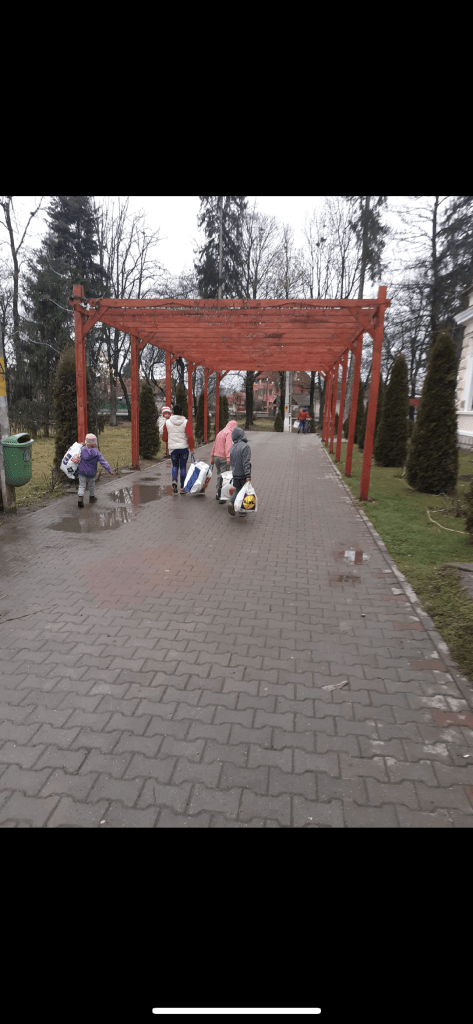
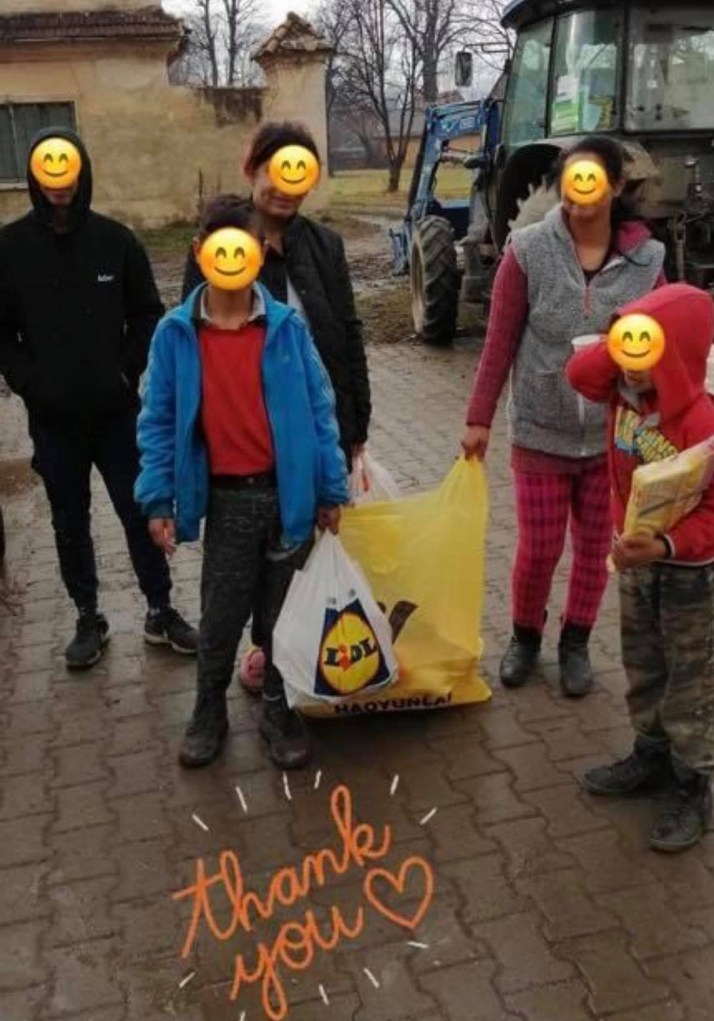
Donations for poor children- Christmas time 🎅🏽

#children, #copiii, #development, activities, children, pregnancy and babies

3 TIPS FOR CREATING A GINGERBREAD HOUSE WITH YOUR CHILDREN

It is believed gingerbread was first baked in Europe at the end of the 11th century when returning crusaders brought back the custom of spicy bread from the Middle East.
Did you know that ginger has the property to preserve the bread?
I remember when I was around 14-15 I have done my first gingerbread house, it did not look like a house though and keep in mind I wasn’t 6, 7 or 10 years old, but I remember it was fun.
When you want to do the activity with your toddlers, keep in mind that it will be messy, so practically throw all your expectations out the window and just have fun with the little ones!
First tip: Provide, buy more candies, sweets than you plan to use, you know why right?
Well, the children try the candy first to be sure that is sweet, tasty or good enough to be attached to the house, one in their mouth one on the house… But make sure they do not exaggerate, or no sleep that night, their energy will go up.
Second tip: Have the recipe, the making in your mind already as children lose their patience easy and quick, so to have their attention, the adult must know what’s next.
Third tip: Be prepared for the mess afterwards. It gets messy doing the gingerbread, especially if you work with more than 2 children, depending on their age band you can require and receive help with tidying up.

Photo by Snapwire on Pexels.com

#children, #copiii, #disadvantaged

HOPE FOR POOR CHILDREN

Poor children live with one meal a day, or sometimes one slice of bread. I met those families, children. They do not ask you for anything, but you can read in their eyes their struggle of day to day to survive.
One family has no Dad figure, and the 4 children live with neighbours, relatives because they do not have a house, no stability.
I am trying to help some families and give children HOPE for a bright future. If you wanna be part of it, just send me a message or support a family.

Together we can change their day, make them smile 🙂

#children, #copiii, biblie, dumnezeu, parintii

”Lăsați copilașii să vină la Mine…”

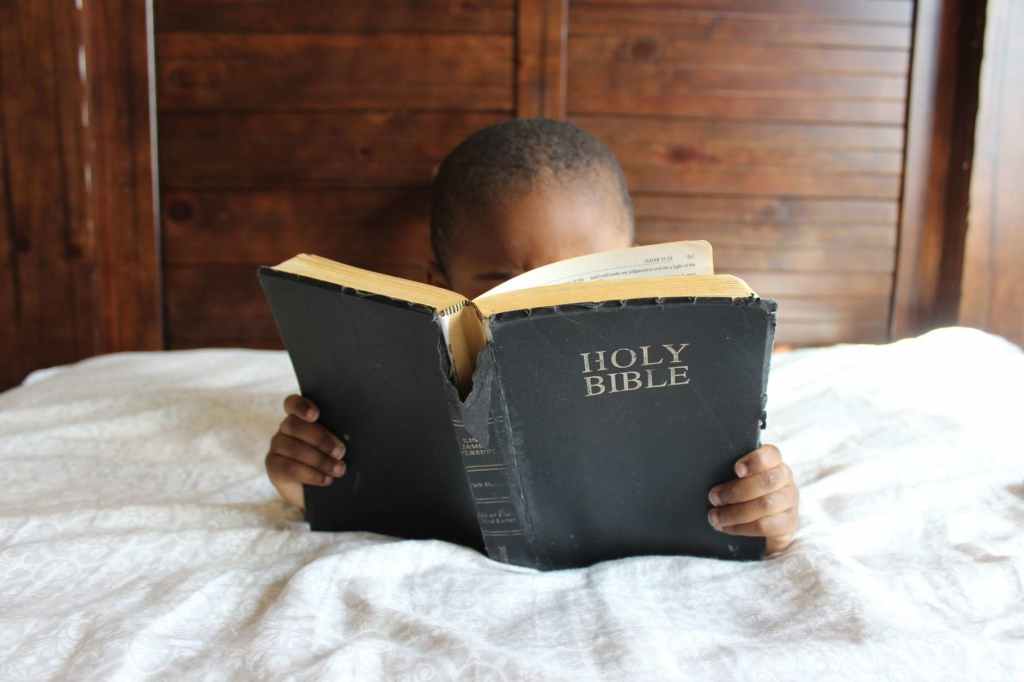
Aceste cuvinte sunt pline de har si de însemnătate. Îmi place mult acest verset din Luca 18:16, Isus le zice ucenicilor să lase copilașii să vină la El și să nu-i oprească.

Noi, ca adulții, avem impresia greșită despre copii când vine vorba despre a avea o relație cu Dumnezeu, credem ca ei nu sunt capabili să înțeleagă relația cu Dumnezeu, sau cuvintele din biblie.

Am văzut copii care știu versete și însemnătatea lor mai bine ca mulți adulți. În 2017-2018 lucram cu copii dintr-un sat, acestor copilași le vorbeam cateva minute din biblie, am văzut ochișori curioși, îndrăzneți, credincioși, plini de puritate, inocență, smeriți și plini de dragoste față de Creatorul lor.

Îmi aduc aminte, cand aveam 11 ani, într-o duminică trecusem pe lângă o Biserică din care se auzeau cantece voioase, eram tare curioasă și vroiam să intru, dar la ușă erau câțiva copii și un lider al Adunării, copii se uitau pe geamul de la ușă înăuntrul Bisericii, și apoi am înțeles că noi, cei mici nu avem voie înăuntru deoarece suntem gălăgioși. Dar de fapt, copii sunt cei care aud și cred, adulții aud cuvântul și au îndoieli, se gândesc la ce să gatească, la ce fac dupa terminarea mesajului, sau fac baloane din gumă. Nu zic că toții sunt la fel, dar vreau să scot în evidență cum copilașii CRED că Dumnezeu îi iubește, așa simplu cum e.

Photo by nappy on Pexels.com

#children, #copiii, #disadvantaged, #food, #parenting, #poverty, Compassion for the ones around us, education

CHILD POVERTY

Every country has families living in poverty. With this global pandemic, I know a lot of parents have lost their jobs, and it’s really hard to find a new job.

When a child is born, they do not choose their families dependending on their social status, how many money they have in their bank account. God will take care of that child.

I know children who has to work instead of going to school, when actually only the education can save you from poverty.

Some children drop off the school to work, or they get married (early marriage). I know hundreds of girls between the age of 12 and 18 and they already have children, and a partner, they became mature before their time. In a village, is a girl and she is 13, she gave birth to her son last year, the kid has a father and they live together in a tiny room, the community, parents, family they all are aware of this situation, but they normalize it and say nothing about it. Now, how many chances has that child to go to school, and have a job? I think the child most likely will copy the parents behavior, and will take them like a role model.

When the kid will start school in that village, the teacher will give him no changes of higher education, probably will avoid going to his desk and look into his work, ask if we understood the lesson, and so on. The parents, do not have themselves education, so what happens to the child? He will fall into the poverty cycle. Believe me, I am talking the true, true cases, I have seen them with my eyes.

Poverty is all around the globe, some children have no food with days, no access to education, or a bright future.

These children needs people who cares about them, not people who cares about their pockets. Try to help a poor family, and do not judge them.

Photo by Karolina Grabowska on Pexels.com
#children, #copiii, #development, #encouragement, #parenting, education

Child development from birth to 2 years

Like I said before, all my work experience (5 years) it’s about childcare, working with teens, and social work. I love to work with children, especially to make a difference in their lives, I watch them growing and developing.

Children develop quickly in the early years, and the persons around them have to do all they can to help children have the best possible start in life.

From early on, babies produce responses – such as smiling and crying, cooing. Infants can smile and cry. Initially these are reflexes but parents typically respond as if they were intentional communications. So the infant learns the social consequences of crying and smiling.

Birth – 11 months:

  • Enjoys the company of others and seeks contact with others from birth
  • Baby can respond when talked to, for example, moves arms and legs, changes facial expressions
  • Seeks physical and emotional comfort by snuggling in to trusted adults
  • Can recognise and react to Mom’s voice for example
  • Stops and looks when hears own voice
  • Makes own sounds in response when talked to by familiar adults
  • Baby can turn head in response to sounds and sights
  • Makes movements with arms and legs which gradually become more controlled.

From 12 months to 24 months:

Between 1-2 years old, they are developing important fine motor skills and gross motor skills. Their balance, climbing, speaking and running will develop rapidly. It’s the transformation time, you will see the baby transforming from a baby to more a toddler.

1year-old will begin to try and become independent in many ways.

  • gross motor skills: Most babies take their first steps before 12 months and are walking on their own by the time they’re 14 or 15 months old.
  • Fine motor skills: By 24 months, your little one can likely drink from a cup, eat with a spoon, and help get undressed. 
  • Explores new toys and environments, but will checks in regularly with a a familiar adult as and when needed
  • Demonstrates sense of self as an individual, e.g. wants to do things independently, says ”NO” to adults.
  • Also they can have tantrums.
  • Their vocabulary will count many easy words.

Notice: Children develop at their own pace, so don’t worry if your child doesn’t do what your neighbour child does. As a parent, you know your child best.

Photo by Daria Shevtsova on Pexels.com