I work with children with learning difficulties and I can tell you it’s fun and challenging at the same time but is so rewarding.
Autism is a lifelong developmental disability that affects how people communicate and interact with the world. One in 100 people is on the autism spectrum.
Autism is not an illness
Being autistic does not mean you have an illness or disease. It means your brain works differently from other people.
It’s something you’re born with or first appears when you’re very young.
If you’re autistic, you’re autistic your whole life.
Some autistic people have average or above-average intelligence.
Some autistic people have a learning disability. This means they may find it hard to look after themselves and need help with daily life.
Please note, this post it’s just a short version of it, the ASD is a very broad subject.
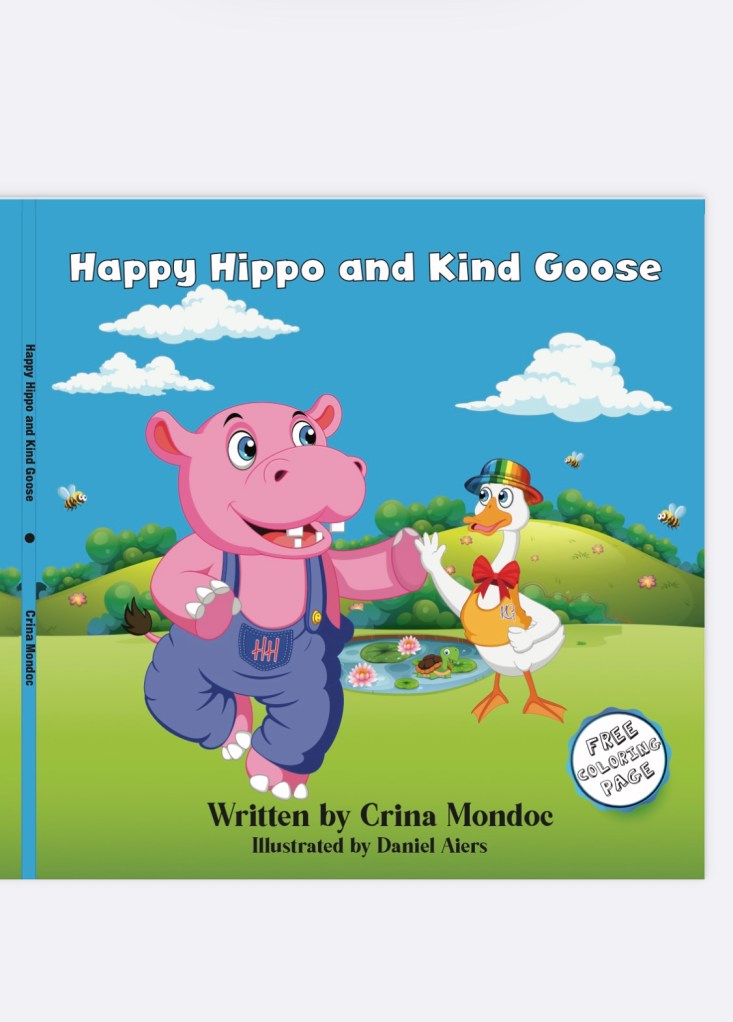
My absence from the blog is very well explained and comes with a surprise. My children’s book Happy Hippo and Kind Goose is available on kindle edition on Amazon.co.uk. Soon paperback will be available. If you want your children, grandchildren to have a great laugh and learn about friendship, kindness, happiness, then order a copy now.
In the last year, we have spent less time with our relatives due to a global pandemic that is still affecting us.
But, some parents spent much more time with their children at home. Dealing with homework, managing behaviours, and getting to know more about their children, like-dislike and likes.
The global pandemic has allowed some people to spend more time with their children, which is a ”+” for both parties.
Spending time with family is such an important thing to do. Sure your children will appreciate it,
Do you want to know some benefits of spending quality time with your family?
Increases self-esteem
Strengthen family bond
They feel cared for, loved, listened to
Can help the child on his/her academic plan (academic performance)
Reduces anxiety, worries
It helps the child communicate better and be a good friend.
It’s not just a plus for children but also for you as a parent. You will feel much happier, fewer worries, better communication with children for future issues, problem.
Spend time with your family as we do not live eternal. Cherish the time you got with your family!
The word ”attachment” describes the emotional bond between a child and their main caregiver that develops during their early years of life
When the baby is around 9 months can show you signs of emotional attachments. Bonding and attachment in very early infancy is important tfor a healthy development of baby and child, parents need to be aware of importance of interacting and communicating with their baby.
Insecurely attached babies are at greater risk of problems in emotional development, and children with very poor attachment experiences are at greatest risk of failure to thrive in early years they can develop problems like(lowered self-esteem and schooling difficulties in childhood or later in life).
Now, I wanna talk about the bond between a baby and their nanny, nursery teacher, any other person but not the PARENTS.
Imagine, you bring your child to the nursery, the child is 10 months old, the baby comes to the nursery every day from 9 am to 6 pm, now, is that child attached to the people in the nursery more than the parents?
I have experienced a case like this, the child was so attached to me that there were times when he only wanted me, of course he enjoyed his parents, but you can see on parents face the jealousy, when giving a brief feedback about the child’s day.
I am not trying to blame the parents, I am just trying to talk from my point of view, being in the position of taking care in a setting ( with joy, and care) of someone elses child for 10 hours a day, every day. PARENTS, try to understand and see the importance of your children emotional attachment, do not be jealous, at the end of the day that child is YOURS, we are just doing our job with care, joy. passion.
The bonding between the young child and their caregivers provides the experiences required to develop physically, emotionally, and cognitively. Lack of consistent and enriched experiences in early childhood can result in delays in motor, language, social, and cognitive development.
Like I said before, all my work experience (5 years) it’s about childcare, working with teens, and social work. I love to work with children, especially to make a difference in their lives, I watch them growing and developing.
Children develop quickly in the early years, and the persons around them have to do all they can to help children have the best possible start in life.
From early on, babies produce responses – such as smiling and crying, cooing. Infants can smile and cry. Initially these are reflexes but parents typically respond as if they were intentional communications. So the infant learns the social consequences of crying and smiling.
Birth – 11 months:
Enjoys the company of others and seeks contact with others from birth
Baby can respond when talked to, for example, moves arms and legs, changes facial expressions
Seeks physical and emotional comfort by snuggling in to trusted adults
Can recognise and react to Mom’s voice for example
Stops and looks when hears own voice
Makes own sounds in response when talked to by familiar adults
Baby can turn head in response to sounds and sights
Makes movements with arms and legs which gradually become more controlled.
From 12 months to 24 months:
Between 1-2 years old, they are developing important fine motor skills and gross motor skills. Their balance, climbing, speaking and running will develop rapidly. It’s the transformation time, you will see the baby transforming from a baby to more a toddler.
1–year-old will begin to try and become independent in many ways.
gross motor skills: Most babies take their first steps before 12 months and are walking on their own by the time they’re 14 or 15 months old.
Fine motor skills: By 24 months, your little one can likely drink from a cup, eat with a spoon, and help get undressed.
Explores new toys and environments, but will checks in regularly with a a familiar adult as and when needed
Demonstrates sense of self as an individual, e.g. wants to do things independently, says ”NO” to adults.
Also they can have tantrums.
Their vocabulary will count many easy words.
Notice: Children develop at their own pace, so don’t worry if your child doesn’t do what your neighbour child does. As a parent, you know your child best.
It can affect children from birth and left unchecked and unchallenged, can impact negatively on every aspect of a child’s life.
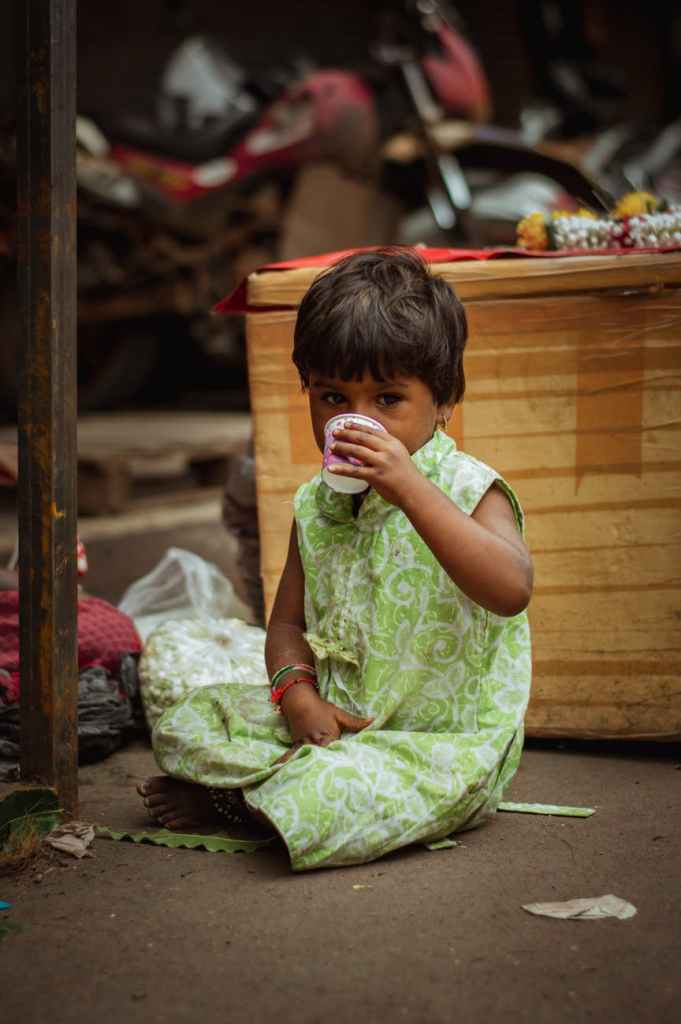
Usually, poor children are located in hard to reach villages, isolated, but not only. In these villages, communities people follow traditions, they copy each others even if it’s bad or good. Sometimes no one is going to these villages to make a difference, and the children grow up and have no future.
I used to live like a disadvantaged kid some years of my life, what was the reason? well, an alcoholic dad and unemployment of both of my parents. I do not condemn them, but I try to understand their actions.
There are a number of reasons why a family may be disadvantaged, and therefore, vulnerable.
Unemployment
Single parent
Low income
Substance abuse…
What are the effects on a child living in poverty?
A child may suffer from:
A poor diet or neglect
Low educational achievement: no school trips, no books, uniform packed lunch, healthy snack
Lack of positive interactions with parents
They might be unable to understand their own emotions and those of others
Poor/dirty clothes, shoes.
The child may have low self esteem
Tensions/fights between parents at home.
The child may experience some types of abuse from parents or family.
When I was a child, I used to like playing with the dolls, but my favourite activities were outdoor with my friends, we used to play a lot of pretend play, my favourite game was to be a reporter, and a saleswoman (girl). I had a lot of money (leafs). We didn’t had many toys as my family was struggling financially. But I am not upset though.
Now let’s talk about the hundreds of toys kids have in these days…can we count it, if you are a parent, just try to count your children’s toys. How many, too many?
Well, I work in a nursery and our kids have a lot of toys too, but sometimes I have observed that they just do wanna play with the toys, but instead they find a cup, stick, spoon, a leaf more interesting.
I know you love your child so much and you want to make them happy, and sometimes it’s easy to make the kids happy, just by buying a toy, but that joy lasts an hour or less. I was an AU PAIR for a family with a 5 years old boy, they were wealthy and they bought a lot of toys for that child, every week there was a brand new toy, Lego, in his hands, do you know how long that child played with the toy, Lego? 1 day, and that was it. The parents spent hundreds of £ practically for a moment of ”new toy happiness”.
Let’s imagine we going in the playroom now, what can you see? Lego everywhere, toys spread all over the floor?
Now is the moment to CLEAN that room. Ask your child what toys are his favourites and which ones he wants to donate to poor children, is the perfect time to teach the child about compassion, giving, sharing. So the ones he/she can give up just donate it and keep the ones they want to play with.
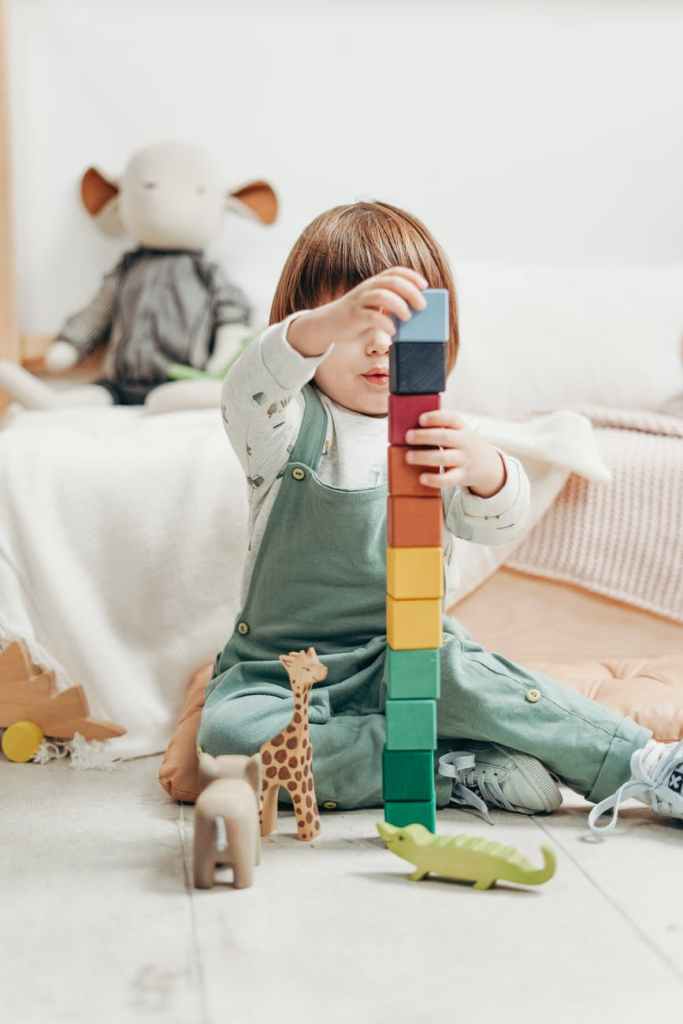
Fewer toys can encourage more creative and imaginative play. When children have fewer toys, they find ways to use them in creative way. Quality and fewer toys are the solution for that messy playroom.
Surveys have shown that a typical child owns 238 toys in total but parents think their child plays with just 12 favourites on a daily basis.
Toys are really good, it helps with their development. But what if instead of buying a new toy we propose to the child an outdoor activity?
I studied social work and I remember the teachers talking about the types of parenting, also recently I have done some online courses about childcare, briefly these types were mentioned.
What are they and how they are affecting the children?
Most probably if you are a parent, you can identify your style, or if you are not a parent, like me, we can identify our parents style. Parenting style has a big impact in child life.
Authoritarian– STRICT, this style is about being strict, it’s about the rules. Parents with an authoritarian style have very high expectations of their children, yet provide very little in the way of feedback. If a child does mistakes, most probably they will be punished and sometimes the authoritarian tends to abuse the child in a physical way.
characteristics of authoritarian parents:
They have little to no patience for misbehaviour. Authoritarian parents expect their children to simply know better than to engage in undesirable behaviour.
They don’t give children choices or options
They don’t express much warmth or nurturing
The children of authoritarian parents tend to exhibit these effects:
They associate obedience with love
Some children display aggressive behaviour outside.
Some children may act shy around others
Children often have lower self-esteem.
Permissive Parenting – Avoids confrontation, they wanna be friend instead of parent, they use rewards or a bribe in order to get the child to do what they wanna do. They rarely discipline their child, there are no rules to follow. Instead of setting rules, they try to prevent problems from happening, they choose to let their child to figure things out for themselves.
Characteristics of permissive parenting:
Emphasise their children’s freedom rather than responsibility
Ask their children’s opinions on major decisions
Are usually very loving towards their kids.
The children of permissive parents tend to exhibit these effects:
poor academic performance and behavioral problems.
Display more aggression and less emotional understanding
they lack motivation, discipline. Also the kids are more likely to engage in underage alcohol, smoking use.
Authoritative Parenting – This type has high standards, expectations. But is balanced with respect, warmth, encourage independence. They are responsive to the child’s emotional needs while having high standard. They might set limits, rules and are very consistent in enforcing boundaries. This Type has been shown to be the best way in treating and raising your child because it leads to the best outcomes in child like better social skills, emotional health, the kid is more secure and attached to their parents.
Characteristics of authoritative parenting:
Leads to development of a cooperative/friendly structure where the child’s spontaneous initiations is encouraged.
They encourage, support, and are sensitive to needs
Creates family unity through compassion, inclusion and respect.
Gives child plenty of affection which result in a sociably child, happy and ready to recognise peoples emotions and also to help them.
The children of authoritative parents tend to exhibit these effects:
Compassionate with others
happy, loving and caring person
Trustworthy, respectful
Confident in abilities. Capable and involved.
Uninvolved/Neglectful parenting – This type is the most harmful of all. Unfortunately because of circumstances in their life, like divorce, drugs, poverty, or sometimes just because they chose to. Sometimes dads can have this style when they do not have a presence in their child’s life, and this can be really damaging. I am praying to God for the children with this type pf parenting.
Characteristics of neglectful parenting:
No affection or guidance given to the child
Likely a substance abuser
Lacks emotional attachment to child
Don’t attend school events and parent-teacher conference
Offer little or no supervision
Do not plan children’s education, future.
Do not care about the child needs
Usually are not interested of sending kids to extracurricular activities.
The children of neglectful/uninvolved parents tend to exhibit these effects:
Low self-esteem, self-reliant. Forced to act mature even though he/she is a child.
Depressed, sad, lonely
No emotional connection between parent and child
The have a hard time forming relationships with other people.