#children, #encouragement, #parenting, Compassion for the ones around us, disadvataged, education, help poor, poor children

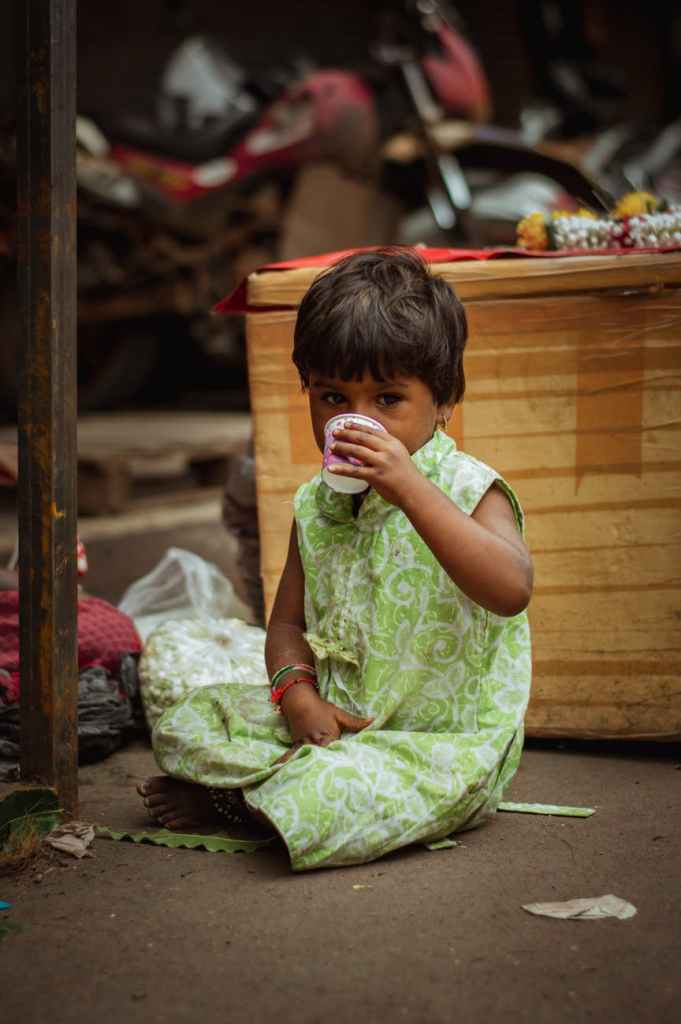
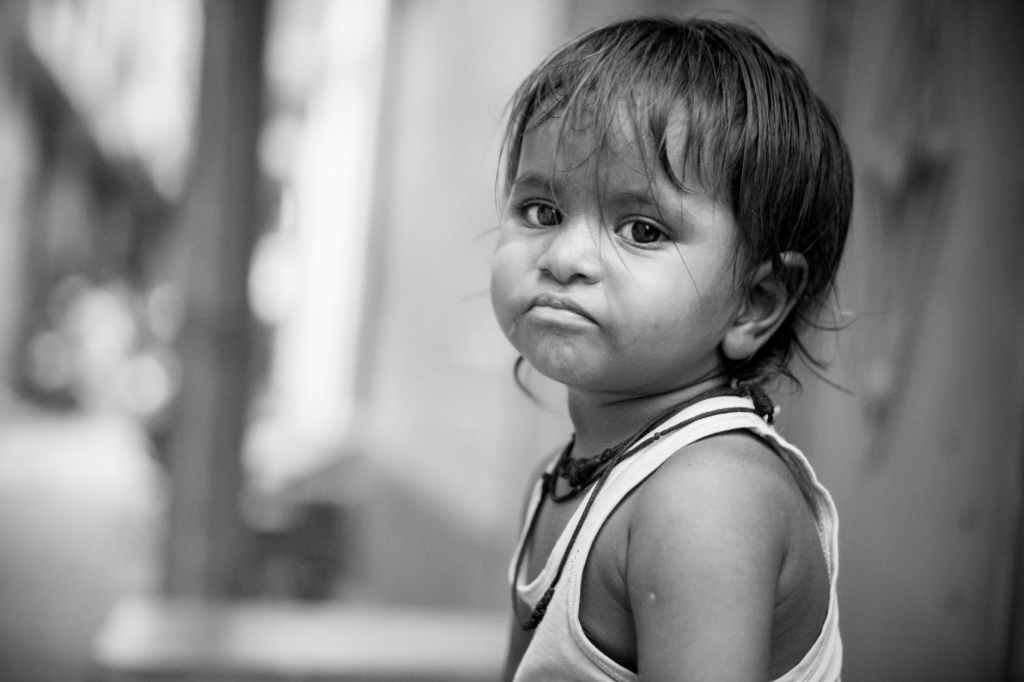
Disadvantaged children

It can affect children from birth and left unchecked and unchallenged, can impact negatively on every aspect of a child’s life.

Usually, poor children are located in hard to reach villages, isolated, but not only. In these villages, communities people follow traditions, they copy each others even if it’s bad or good. Sometimes no one is going to these villages to make a difference, and the children grow up and have no future.

I used to live like a disadvantaged kid some years of my life, what was the reason? well, an alcoholic dad and unemployment of both of my parents. I do not condemn them, but I try to understand their actions.

There are a number of reasons why a family may be disadvantaged, and therefore, vulnerable.

  1. Unemployment
  2. Single parent
  3. Low income
  4. Substance abuse…

What are the effects on a child living in poverty?

A child may suffer from:

A poor diet or neglect

Low educational achievement: no school trips, no books, uniform packed lunch, healthy snack

Lack of positive interactions with parents

They might be unable to understand their own emotions and those of others

Poor/dirty clothes, shoes.

The child may have low self esteem

Tensions/fights between parents at home.

The child may experience some types of abuse from parents or family.

Photo by Sankalpa Joshi on Pexels.com
#children, #food, #kindness, #love, #parenting, education, food, Life

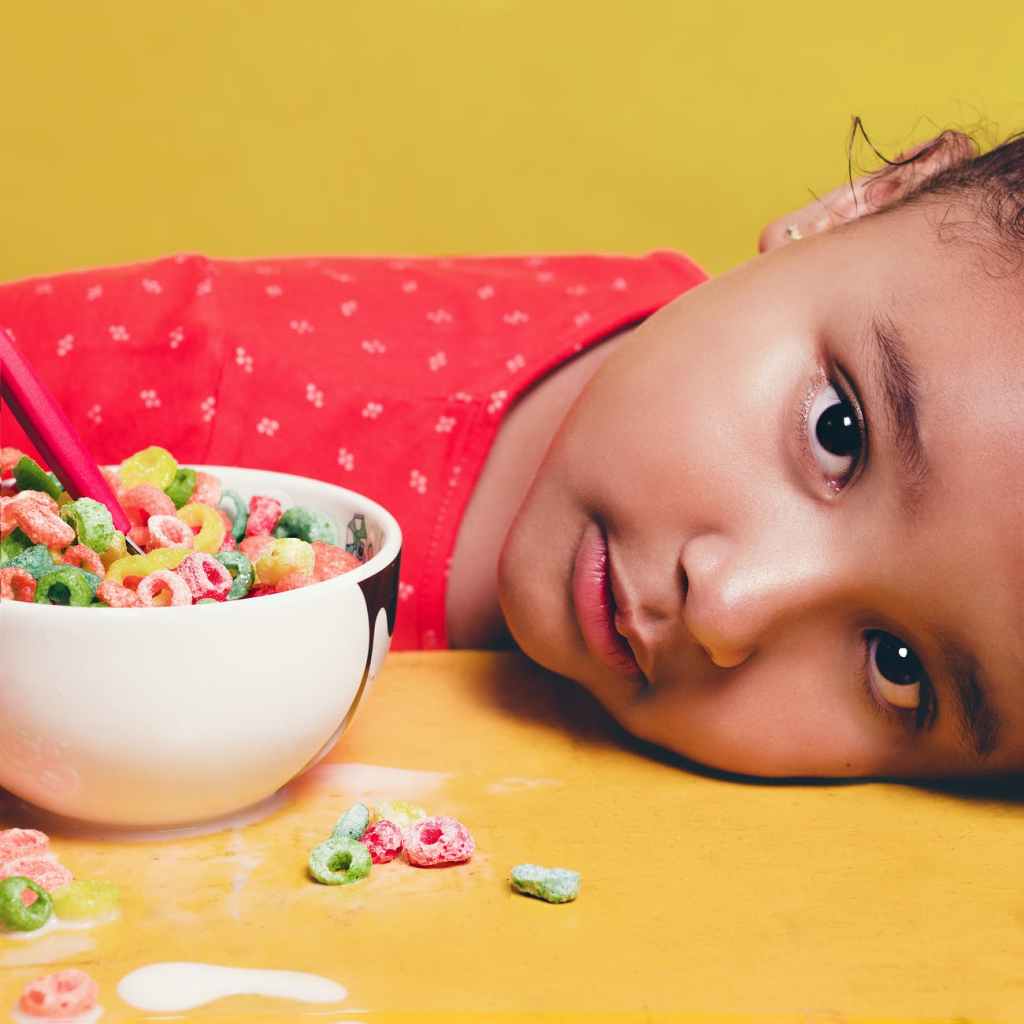
Why toddlers refuse food?

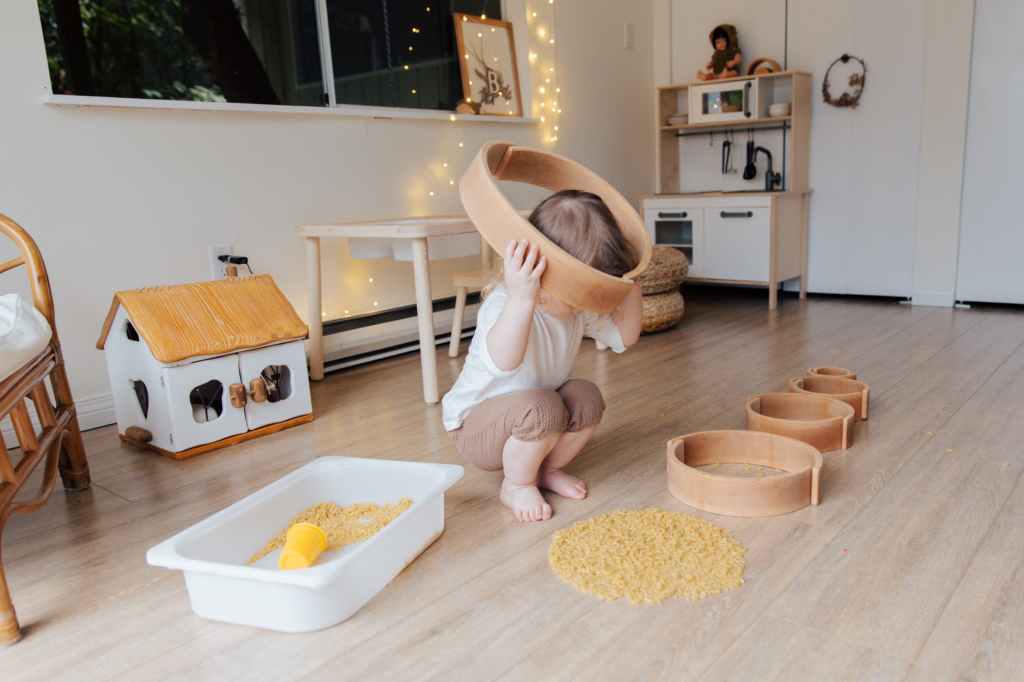
At my workplace I am observing many children refusing their food, simply they do not wanna open their mouth or they are pushing away the plate. I am watching them and think how long they will resist that day without food, so we are trying to offer them options, and guess what, they are perfectly fine with plain pasta or a biscuit!

Now, we have to keep in mind that children may refuse a type of food if it’s the first time you give it to them, they need to taste it slowly and a few times to learn to like it, so make sure you are not forcing, pushing the food aggressively in the mouth, most probably they will not like it. Would you like if someone will push the spoon in your mouth, with food you never tried, let’s say…snake meat! yuck!

Also some children may like to be independent and not to be feed, so just let the plate in front of them and observe them without talking, touching their food, try to ”avoid” them. I do have a baby in the nursery that loves to be independent and eat with his own hands.

Toddlers refuse extra food also when they have eaten enough. Do not try to overfeed your toddler,some kids will eat less food than other toddlers of the same age. If your toddler is growing and developing normally then he or she is taking the right quantity of food for his or her own needs!

There is also medical reason why kids refuse to eat. When kids have a well documented medical condition or are visibly sick, it is obvious that their eating can be affected, but sometimes there are more subtle issues. Two of the biggest culprits are acid reflux and constipation. Both of these very common problems for kids can put a halt to eating.

For many “picky eaters”, sensory processing plays a big role in their refusal to eat foods. Simply put, if something feels gross in their mouth or on their hands, they aren’t going to eat it. they may not like certain textures in their mouth, or chew/lick everything else but food, it is a sign that their oral sensory system needs to be looked at.

About CrinaMorpho

Photo by Tiago Pereira on Pexels.com
#children, #parenting, #poverty, Life

What is BREAST IRONING?

I wanna talk today about this subject as I find it really sad and violates the rights of the children (girls). That girl goes to a trauma, her self esteem is shaking badly.

BREAST IRONING – It’s a traditional practice whereby the breasts of a girl are flattered with tools like heated objects( spatulas, stones, hammers) to try to make them stop developing or disappear.

Usually happens in the villages, and it’s mostly done by the female members of the family, by an auntie, grandmother, eldest sister.

Some women whose breasts were ”ironed” have said they had trouble producing milk and breastfeeding their children.

Mothers in Cameroon thinks that by this practice girls will look less sexually attractive to men and keeping them in school for longer. (global citizen.org)

According to UNICEF, 38% of the children in Cameroon are married before they turn 18th. and 20% of them drop out of school after getting pregnant.

The practice is more common is West and Central Africa, yet has no borders, it occurs all over the world and has migrated with people and culture in the UK.

I can only imagine what is in their mind, what emotions they have, sure there is fear, pain, trauma, sadness, and so on.

It’s thought that about 1000 girls across the UK have been subjected to the practice. BREAST IRONING is child abuse!

Photo by Emre Kuzu on Pexels.com
#children, #poverty, grace, help poor, poor children

Children without parental care

There is so much to write and say about this subject. It’s really sad to see children exposed to harm, abuse. Today we gonna focus on children without parental care.

Children without parental care are exposed to many risks, neglect, all types of abuse, and also large numbers of children end up in institutional care.

In 2008, in Central and Eastern Europe some 1.3 million children lived in public care; just under half of these lived in large-scale residential care facilities or boarding schools (UNICEF, At home or in a home, 2011). In the Middle East and Africa, over 300,000 children are estimated to live in residential care (UNICEF 2009 Progress for children).

There are many reasons why children are left without parents:

Natural death

The parents went to work abroad

They can’t afford raising them

Divorce, sickness

Abuse of drugs, alcohol

Can you think of other reasons, comment below!

Few days ago I’ve seen a documentary about children without parental care in China. They’ve estimated that over 60 million of children have no parents!

A child said ”Everyone has a Mom and Dad, but I do not, at the end of every semester when the school asks for our parents feedback, I do not have anyone to wright the comments, as my grandparents can’t write or read. I often feel envious when I see children with their parents on the street”.

Are these kids condemned to a life without parental love, harm, neglect, exploitation, sadness and so on?

I think we all should do something for them, to be there physically or by supporting the people which are ready to change a life!

About CrinaMorpho

Photo by Itati Tapia on Pexels.com
#children

Depresia la copii si adolescenti


Photo by pexels.com

Copiii sunt cei care ne dau energie, ne fac zilele mai frumose cu zâmbetul lor molipsitor, ce facem, însă, când toate acestea dispar și sunt înlocuite cu tristețe, iritabilitate, dificultate de a se concentra, îngrijorare?

Depresia nu doar ca afectează adulții, dar poate afecta copiii și adolescenți, un lucru foarte imporrtant este să înțelegem și să fim alerți

Când aveam 14 ani am fost depresivă, pentru aproximativ un an. Schimbările din viața mea au jucat un rol puternic în a dezvolta nesuferita depresie. Începusem liceul așa că m-am mutat la oraș, părinții s-au despărțit, tata a devenit un alcoolic, am rămas fără locuință. Cu toate că aveam 2-3 oameni apropiati, nu m-am simțit ( pe atunci) destul de familiara cu ei încât să le spun despre simptomele mele.

Cum să îți dai seama dacă copilul sau adolescentul suferă de depresie?

Somnul și alimentația pot fi influențate, doarme mai puțin, petrece mult timp în pat.

Energia scade, activitățile pe care le făcea înainte, acum i se par inutile și refuză să se mai întâlnească cu prietenii.

Refuză să meargă la școală, performanțele școlare scad

Stima de sine scăzută

Copiii mai mari si adolescentii, pot avea comportamente problematice, intra in dificultati la scoala, sunt negativi, morocanosi, irascibili, iritabili, se simt neintelesi.

Uneori este dificil pentru părinți să identifice semnele depresiei, dar fiți atenți la ce vă transmite copilul, depresia nu este ceva ce se desfășoară pe 4-7 zile ci poate ține și 1 an. Discutați cu copilul, și găsiți ajutorul medical potrivit. Este așa de important pentru copii să aibă pe cineva de incredere, de partea lor, să-i iubească necondiționat și să le ofere tot ce este mai bun.

Depression in children and teenagers

Here is the English version

#children, #encouragement, #parenting

Depression in children and teenagers

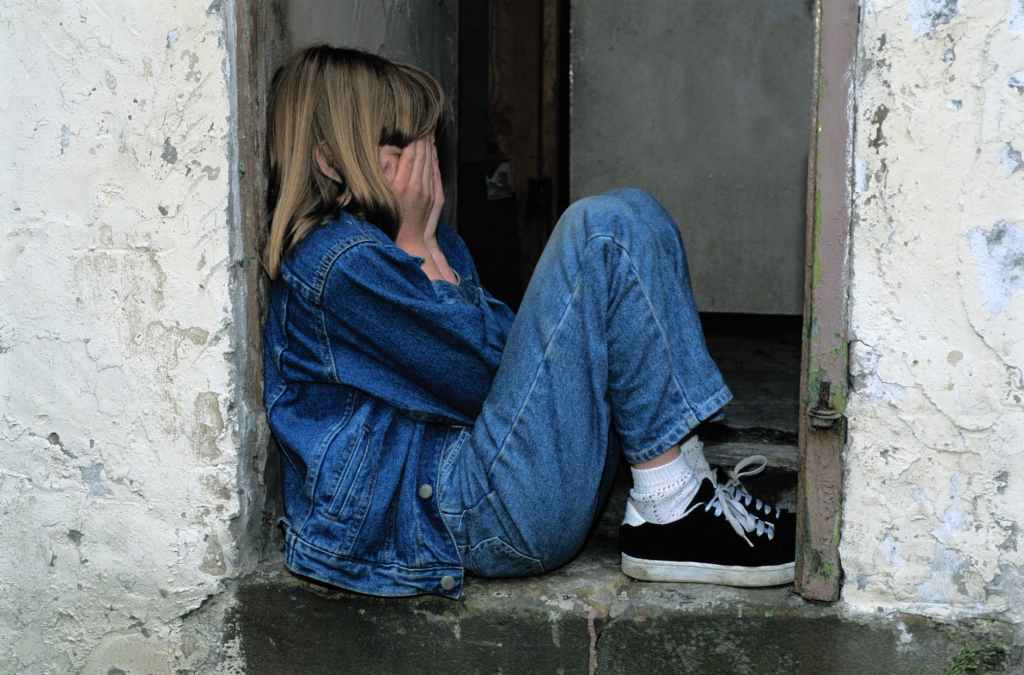
Depression does not only affect adults. Children and teenagers can get depressed too, same like adults, the important thing is to understand and to be aware of that.

I can say about myself that when I was 14 years old I felt really depressed for about a year, there was some changes in my life I had to embrace. I did not knew that was depression but I can identify it now by the symptoms I experienced.

Here are some examples of depression I also experienced

Signs of depression in teenagers
  • sadness, or a low mood that does not go away
  • being irritable or grumpy all the time
  • not being interested in things they used to enjoy
  • feeling tired and exhausted a lot of the time
  • refusing to eat, shower themselves or clean their room
  • Aggressive
  • Refusing to go to school; look at the changes in performances at school

Sometimes is tricky for parents to identify the signs of depression, but if you see any changes in your child just talk with and find the right help, is important for kids to have someone on their side. Like I had no one to help me, even though there was my teachers, social worker, some friends, but I still felt alone and discouraged. Dad became an alcoholic and my Mamma left the home, and I started the High School with no support from parents, God, is so hard and depressive. But you, yes you the one who reads this post you can help a child by showing support.

Let’s talk about young children, it’s hard to hear for them words like ( I am angry, upset, sad, you know, words that describes feelings). But you can see changes in their behaviour, in this way they telling you that something might be wrong and they are feeling depressed.

Signs of depression for 3-5 years old

  • They might not be interested in the activities
  • They might have problems sleeping
  • irritable ;social withdrawal
  • decreased appetite

If you’re a believer in God, you know that praying is weapon we can use all the time! Pray for your child and know that every person can go through depression, but God is there to help and He knows our problems!

ISAIAH 41:10 DEUTERONOMY 31:8

About CrinaMorpho

Photo by Pixabay on Pexels.com

#children, #encouragement, #love, #parenting, children, education, Life, Style, Uncategorized

Physical development

Photo by T.S

Physical development is an important area of child development that includes children’s physical growth.

Physical activity is vital from birth and develops not only the body, but minds and emotions too.

P.D. involves providing opportunities for young children to be active and interactive; and to develop their co-ordination, control and movement. Children must also be helped to understand the importance of physical activity, and to make healthy choices in relation to food (eyfs).

The department of Health says, children should have at least 3 hours of physical activity, spread out over a day. This doesn’t mean three hours of planned activities, as every movement a child makes, is included, and they move a lot.

Physical Play allows children to understand why being physical and moving around is good for health.

P.P. can help children develop confidence, social interaction with their peers, friendship, control and balance, and also allows children to discover their own bodies ( sweating, redness, fast heart beat, fast breathing, tiredness).

For babies (children under 2) physical activity consists of playing and rolling, they can reach the objects, pull. hold, push.These experiences help use muscles and develop motor skills.

How to introduce P.D to children?

Gross Motor Activities – Talk about the fun of skipping, jumping, climbing, running, rolling. These will help the child to be active during the day. Obesity is a main problem in our days, so keep ypur child involved and active in different activities which promote Physical health.

Fine Motor Activities Give the child opportunity to enjoy these activities; cutting, drawing, holding, pressing, twisting, threading.