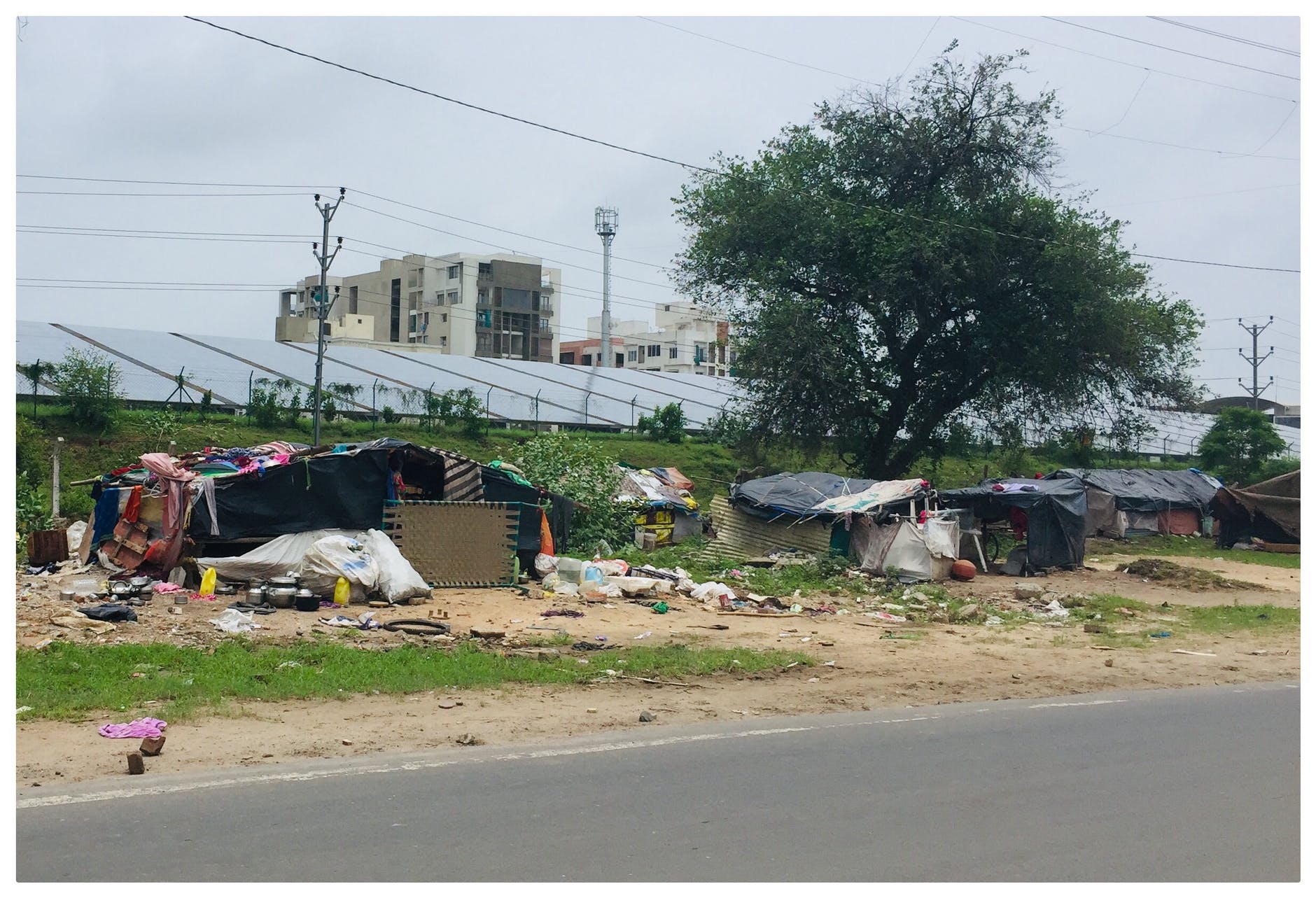
It’s a choice or an occurrence? What is disadvantaged? The disadvantage is a complex issue. It can affect children from their birth and left unchecked and unchallenged, which can impact negatively on every aspect of a child’s life. A disadvantage can be in the long term, usually is driven by poverty, something that affects whole communities, and so on.
There are several reasons why a family may be disadvantaged: Single parent Families with substance abuse Families with teenage parents Families living in poverty Transient families
During the CORONAVIRUS, I am sure some families have been struggling a lot. I am so grateful for the people that can see the need and action.
BE KIND!
T-shirt
Made of 100% cotton
25% from the actual price goes to the disadvantaged families.
We started the lockdown in March ( UK) and we went through a time that we have never experienced before, at least not me.
And now, in September we are used to 😷 masks, social distance, and we are starting to appreciate more the people, things, freedom, the nature, coffee ☕️ shops, and the life in general.
3 more months and guess what month is coming? December is the biggest gift-giving month in the world, hope that by December the things will take a right, good turn in our lives. And people starts being kind, and help more the one in needs.
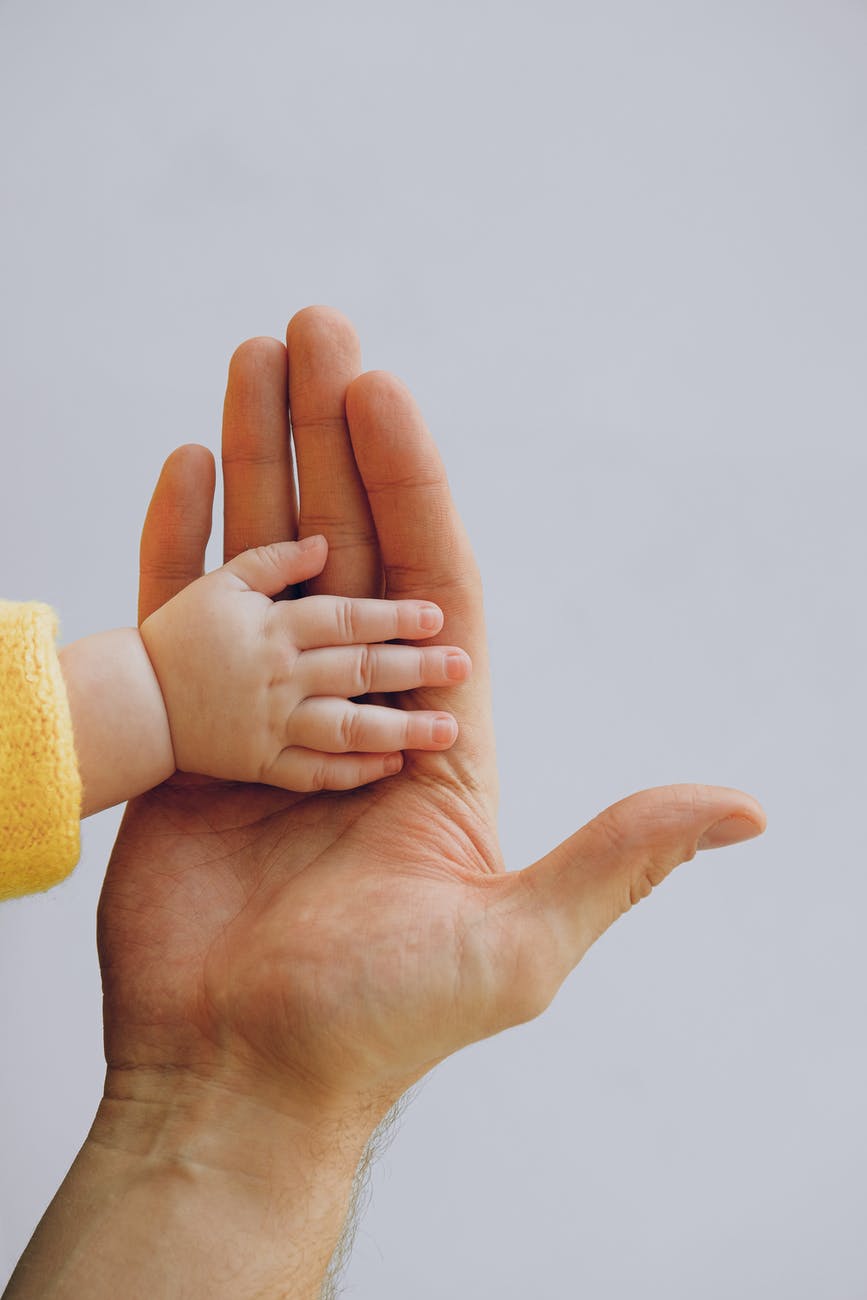
The word ”attachment” describes the emotional bond between a child and their main caregiver that develops during their early years of life
When the baby is around 9 months can show you signs of emotional attachments. Bonding and attachment in very early infancy is important tfor a healthy development of baby and child, parents need to be aware of importance of interacting and communicating with their baby.
Insecurely attached babies are at greater risk of problems in emotional development, and children with very poor attachment experiences are at greatest risk of failure to thrive in early years they can develop problems like(lowered self-esteem and schooling difficulties in childhood or later in life).
Now, I wanna talk about the bond between a baby and their nanny, nursery teacher, any other person but not the PARENTS.
Imagine, you bring your child to the nursery, the child is 10 months old, the baby comes to the nursery every day from 9 am to 6 pm, now, is that child attached to the people in the nursery more than the parents?
I have experienced a case like this, the child was so attached to me that there were times when he only wanted me, of course he enjoyed his parents, but you can see on parents face the jealousy, when giving a brief feedback about the child’s day.
I am not trying to blame the parents, I am just trying to talk from my point of view, being in the position of taking care in a setting ( with joy, and care) of someone elses child for 10 hours a day, every day. PARENTS, try to understand and see the importance of your children emotional attachment, do not be jealous, at the end of the day that child is YOURS, we are just doing our job with care, joy. passion.
The bonding between the young child and their caregivers provides the experiences required to develop physically, emotionally, and cognitively. Lack of consistent and enriched experiences in early childhood can result in delays in motor, language, social, and cognitive development.
Sometimes I have these days in my life, especially at workplace. Some people prefer to be the opposite of nice, kind and lovely. I think I am a ”lucky” person as I really do not care about people’s opinion (depends on what they say).
I have noticed that if a person is hurt inside, outside acts like a angry, hungry lion/lionesse, ready to argue, to hurt and create pain for the people around them.
Sometimes I have long days, when I feel that the day never goes away, I am dreaming with my eyes open, counting the hours, trannsforming the hours in minutes, just to work for someone’s elses dream, so they can relax, and go to the most expensive holidays?
What do we receive back, sometimes a fake smile, more duties to do, and discriminatory words wrapped in a beautiful gift box with a pink ribbon.
When the days are long and bad, I COOK!
I love baking, cooking, and also i have noticed that every time I shop, I come home with a new ustensil, a plate or a bowl. Is really relaxing to do soemthing for YOU, and also to have the pleasure of offering, sharing what you have baked, cooked.
Are you a busy parent, or do you love your job, or both?
Well, when a baby comes into your life, how do you organise yourself to be a Mom/Dad and still working?
I think is really challenging, as in UK for example, you only are entitle to 1 year of maternity leave. I am trying to walk in these parents shoes, the ones that bring their 8 months old baby to the nursery so they can go to work and gain more money. I will NEVER be able to leave my baby in a childcare setting, pay over £10,000 a year for the day care and at the end of the day spend 1 hour with my baby, before they fell asleep, sounds like a nightmare!
I am aware of the babies development, especially in the early years, the parents needs to be part of their growing, exploring and enjoying every minute!
Do you want them to say first Mom/Dad or their Key worker’s name from the nursery?
I know is so important and vital to have a good salary so you can pay for food, rent, and so on. But can you still survive at least one year not going back to work?!. Just do some calculations and see if you can do it, as I know some parents can do it, but chose not to.
The Government should help parents and to be aware that babies needs to be with their parents at least 24 months, change the law!
Aceste cuvinte sunt pline de har si de însemnătate. Îmi place mult acest verset din Luca 18:16, Isus le zice ucenicilor să lase copilașii să vină la El și să nu-i oprească.
Noi, ca adulții, avem impresia greșită despre copii când vine vorba despre a avea o relație cu Dumnezeu, credem ca ei nu sunt capabili să înțeleagă relația cu Dumnezeu, sau cuvintele din biblie.
Am văzut copii care știu versete și însemnătatea lor mai bine ca mulți adulți. În 2017-2018 lucram cu copii dintr-un sat, acestor copilași le vorbeam cateva minute din biblie, am văzut ochișori curioși, îndrăzneți, credincioși, plini de puritate, inocență, smeriți și plini de dragoste față de Creatorul lor.
Îmi aduc aminte, cand aveam 11 ani, într-o duminică trecusem pe lângă o Biserică din care se auzeau cantece voioase, eram tare curioasă și vroiam să intru, dar la ușă erau câțiva copii și un lider al Adunării, copii se uitau pe geamul de la ușă înăuntrul Bisericii, și apoi am înțeles că noi, cei mici nu avem voie înăuntru deoarece suntem gălăgioși. Dar de fapt, copii sunt cei care aud și cred, adulții aud cuvântul și au îndoieli, se gândesc la ce să gatească, la ce fac dupa terminarea mesajului, sau fac baloane din gumă. Nu zic că toții sunt la fel, dar vreau să scot în evidență cum copilașii CRED că Dumnezeu îi iubește, așa simplu cum e.
Every country has families living in poverty. With this global pandemic, I know a lot of parents have lost their jobs, and it’s really hard to find a new job.
When a child is born, they do not choose their families dependending on their social status, how many money they have in their bank account. God will take care of that child.
I know children who has to work instead of going to school, when actually only the education can save you from poverty.
Some children drop off the school to work, or they get married (early marriage). I know hundreds of girls between the age of 12 and 18 and they already have children, and a partner, they became mature before their time. In a village, is a girl and she is 13, she gave birth to her son last year, the kid has a father and they live together in a tiny room, the community, parents, family they all are aware of this situation, but they normalize it and say nothing about it. Now, how many chances has that child to go to school, and have a job? I think the child most likely will copy the parents behavior, and will take them like a role model.
When the kid will start school in that village, the teacher will give him no changes of higher education, probably will avoid going to his desk and look into his work, ask if we understood the lesson, and so on. The parents, do not have themselves education, so what happens to the child? He will fall into the poverty cycle. Believe me, I am talking the true, true cases, I have seen them with my eyes.
Poverty is all around the globe, some children have no food with days, no access to education, or a bright future.
These children needs people who cares about them, not people who cares about their pockets. Try to help a poor family, and do not judge them.
Like I said before, all my work experience (5 years) it’s about childcare, working with teens, and social work. I love to work with children, especially to make a difference in their lives, I watch them growing and developing.
Children develop quickly in the early years, and the persons around them have to do all they can to help children have the best possible start in life.
From early on, babies produce responses – such as smiling and crying, cooing. Infants can smile and cry. Initially these are reflexes but parents typically respond as if they were intentional communications. So the infant learns the social consequences of crying and smiling.
Birth – 11 months:
Enjoys the company of others and seeks contact with others from birth
Baby can respond when talked to, for example, moves arms and legs, changes facial expressions
Seeks physical and emotional comfort by snuggling in to trusted adults
Can recognise and react to Mom’s voice for example
Stops and looks when hears own voice
Makes own sounds in response when talked to by familiar adults
Baby can turn head in response to sounds and sights
Makes movements with arms and legs which gradually become more controlled.
From 12 months to 24 months:
Between 1-2 years old, they are developing important fine motor skills and gross motor skills. Their balance, climbing, speaking and running will develop rapidly. It’s the transformation time, you will see the baby transforming from a baby to more a toddler.
1–year-old will begin to try and become independent in many ways.
gross motor skills: Most babies take their first steps before 12 months and are walking on their own by the time they’re 14 or 15 months old.
Fine motor skills: By 24 months, your little one can likely drink from a cup, eat with a spoon, and help get undressed.
Explores new toys and environments, but will checks in regularly with a a familiar adult as and when needed
Demonstrates sense of self as an individual, e.g. wants to do things independently, says ”NO” to adults.
Also they can have tantrums.
Their vocabulary will count many easy words.
Notice: Children develop at their own pace, so don’t worry if your child doesn’t do what your neighbour child does. As a parent, you know your child best.
Growing up with both parents is a blessing, but what is like for a child to grow up with a single parent?
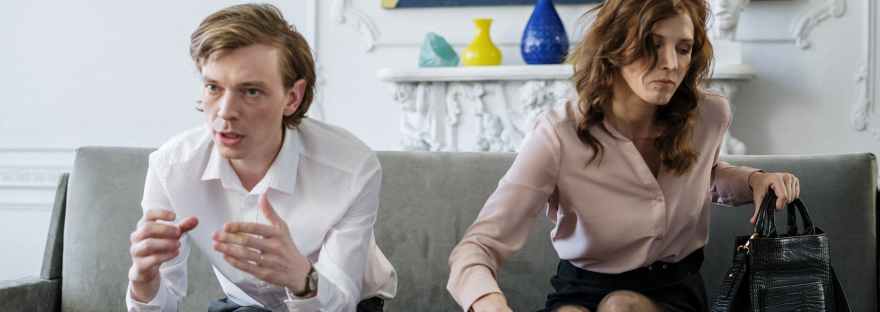
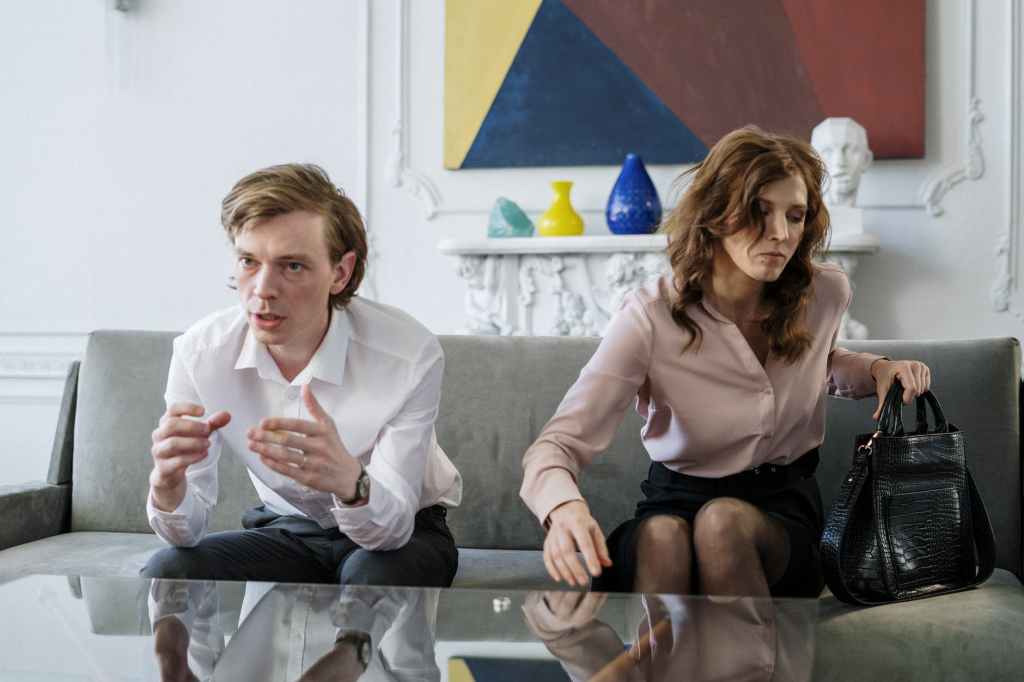
When getting married you do not think it will last 1. month or 5 years but ”till death do us part”, but there are some parents who decide to break the vow sooner. There are a lot of reasons why the parents divorce. When the marriage come to an end the parents are now fighting for the custody ( well, some of them).
Which are the effects of divorce
I will say the first 6 months – 1 year is the most difficult time
The kids might suffer anxiety, distress, anger, abandoned, and can have suicidal thoughts (depends on their age).
There is a huge emotional impact on young children, they can blame themselves about the situation, or they may think that the parents are not loving them.
Children from divorced families may experience more externalising problems, such as conduct disorders, children may also experience more conflict with peers after a divorce, poor academic results.
Always tell your children the truth in regards to divorce!
I believe is better to be divorced than staying in a toxic relationship.
Copilăria în secolul XXI este extrem de diferită față de toate generațiile.
Practic de la vârsta de 1 an sau cateva luni de viață, copilului i se face cunoștință cu tehnologia, pentru a nu mai plânge sau să poată mama să își facă treaba, copilului i se pune tableta, telefonul, etc în față să se uite la desene animate, să asculte muzică…am vazut cazuri, nu inventez.
Ce îi așa de rău în asta?
În primul rând copilul nu are nici macar 2 ani (vârsta)
Practic acel copil nu socializează cu nimeni
Relația părinte-copil are de suferit mai târziu deoarece copilul o să vrea tot mai mult acel device.
Nu există dezvoltare fizică
Telefoanele si copii au devenit bun prieteni în aceste vremuri, mai ales în timpul COVID-19. Da, este mult mai ușor acum având smartphone-ul la îndemână, comunicarea cu rude,prietenii din alte țări este mult mai ușoară, și rapidă. Dar, ce ne facem când comunicarea cu cei din aceeași casă a devenit none, zero, și asta din cauza telefoanelor inteligente, si a altor dispozitive.
Se face abuz de telefon sau de ceea ce poate oferii telefonul?
Dacă un copil de 8-10 ani are telefon personal, cu acces la internet, acum fiți sigur ca acel copil crede că are o comoară, pe care de cate ori o deschide îi oferă ceva interesant, nou, interzis. Am văzut copii cu telefon de ultima generație la școală, acest lucru, zic părinți că are avantaje ”pentru siguranța copilului și a părintelui”. Ok, dar ai tu acces la acel telefon, știi tu ce se întâmplă în pauză, poate copilul are facebook și de abia așteaptă pauza pentru a vorbii cu X din țara Y, ca este cool. Și cu toții știm cum oamenii răi se ascund în spatele monitorului (pedofilii, de exemplu).
Copilul după vârsta de 12 ani poate avea telefon, atâta timp cât părinții au acces total asupra activității telefonului. Verificați ce căutari au pe google, la ce se uite pe YouTube, sau daca au un cont de socializare și ce se întâmplă cu el. Am niște copii de 12-13 ani pe contul de Instagram, și văd tot feluri de postări diabolice, challenge-uri… de exemplu acum câteva zile am văzut un challenge care era postat de acest copil, și la bază avea ca 2 din prietenii lui ( băiat, fată) să meargă la o întâlnire, ca un fel de ”date” și se putea alege da sau nu, dar toți erau super încântați de idee, acum nu știu ce face o fată și un băiat de 12 ani la întalnire…dar oare părinții știu?
De asemenea tot pe Instagram, văd fete de 10-12 ani postând poze cu posteriorul la vedere, mai mult dezbracate decât îmbrăcate, interesant că părinții sunt creștini, oameni cu educație, oameni de afaceri. Unde este rușinea, stima de sine, și altele? Mie îmi este rușine și dacă mi se vede breteau de la sutien, online nu este tocmai locul ideal de a-ți arăta frumusețea corpului.
I wanted to write about this topic for a long time, and finally here is it.
Parents are all different, their parenting styles are not the same, not even between 2 parents of the same child. Now, having a baby in the 21st century is like they were born in the same time with a well known phone, you know which one I am talking about, you most probably have it in your hand, pocket, bag…
Now let’s talk about our topic
Young brains needs a lot of external stimulation to develop, particular from birth to age 3 (critical period). In this period is better for your child to stay away from devices, keep them engaged with books, talk to them, do indoor or outdoor activities like baking or a trip to the forest. Some parents choose for their child to be in a nursery, kindergarten, in this way children stays away from phone, iPad, tablets, etc. But when kids spent the most of the time at home, some parents introduce to their kids the devices voluntary or involuntary. Now, I am not blaming anyone, there are positives and negatives in all things from this earth.
I was born in 1995, so I did not know that phone exists until I was probably 8 or 9 (2003), that’s when I had my first phone, can you imagine how proud and happy, excited I was? even though that was an old NOKIA, and the only thing I can do was to play that snake game, do you know what I am talking about?
Now, why I was happy about it, well probably because of that game or just the feeling of having that device, or that I could of call my friends, it was something new and exciting. The TV was always there in our room, so I remember watching cartoons quite a lot and sometimes I fought with my brother because he wanted a different channel. Boys and girls didn’t had the same interests, not at that time 🙂
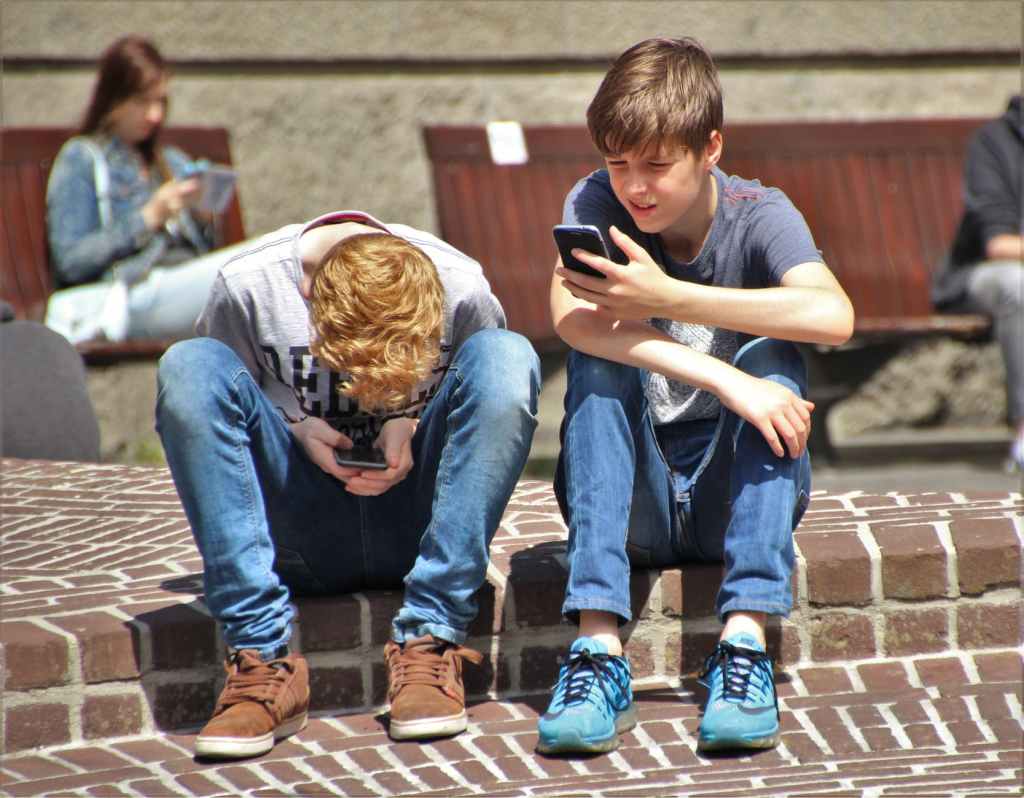
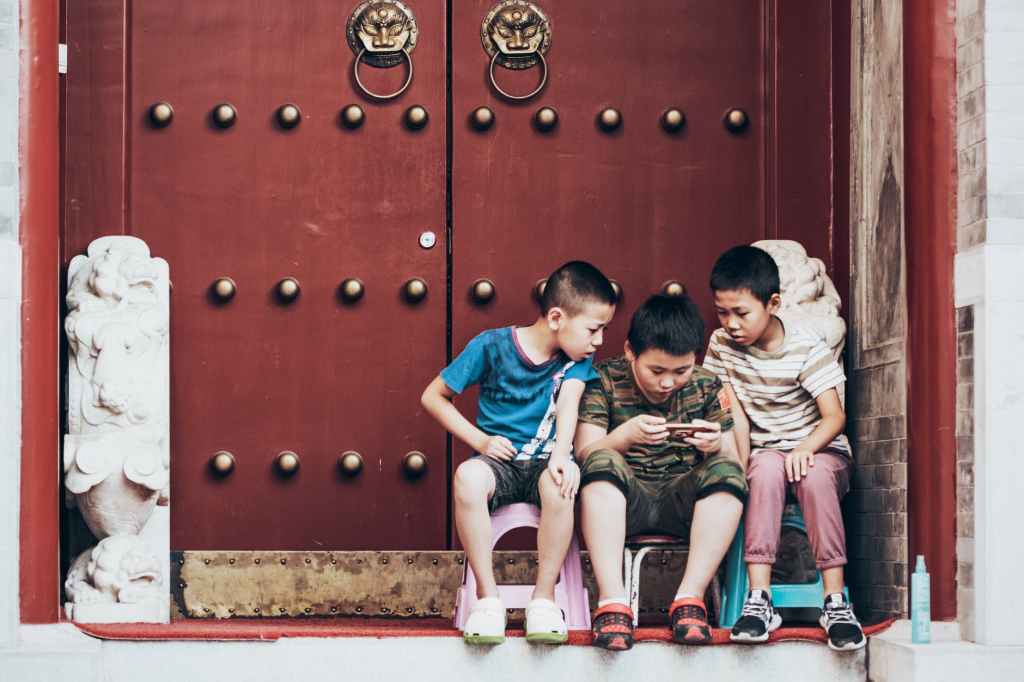
So imagine now, after 2010, the children are amazed of devices, especially that it can offer them a lot of diversity. Of course they will fall in love with mommy’s, daddy’s phone or that tablet, iPad you leave it on the couch…
At work I see babies (15 months old) taking a toy that might look like a phone and hold it to they ears are says ”hello”, so what are we talking about, a child aged 15 months and thinks he is talking on the phone, well our children copies everything we do and say. He most probably seen Mom, dad holding that device at their ear.
INTRODUCINF CHILDREN TO ELECTRONICS
I am not against this, but we have to keep in mind 2 things – the age of the child and the time the child is exposed to the device!
If we give a 2 year old the phone, iPad in their hands or put it in front of them to watch cartoons, or to listen to music, so we can do our job… well I am against, and I will tell ypu why, first the child’s age and then you gave that child no external stimulation, no social interaction. What if we invite someone to keep an eye on our child?
If the child is 8 years old and we slowly introduce him/her to the device let them watch, discover, play songs, cartoons for not longer than 1 hour a day, why? Well, because we are in the 21st century and the technology is what we live in. The child might find interests, passion in technology an this a good opportunity to grow up with and later to be a software developer, IT manager, etc. We need people in this areas as in this world is what we feed our self with. Can you imagine life without internet, phones, computers, and other devices? In hospital, schools they need technology.
Supervise your kid activity while using the devices, make sure you do not let them have full access to things you don’t wanna the child look to. It’s so easy to have access to a lot of disturbing content these days, and always remember that online world is not always safe, there are many paedophiles behind the screen.
I have seen a lot of children on Instagram posting ”challenges” that require to meet and have a date and God knows what happens after that ”date”. And the parents has also an Instagram account to, hello do you follow your child activity? Do it now, before is too late, no offence!
My advice is to have in mind the age, purpose, health benefits, time, before introducing kids to devices!
LET KIDS BE KIDS AND THEN SLOWLY LET THEM DISCOVER THEIR PASSION, INTERESTS!














 CRINAMORPHO