#children, abuse, parenting, risk factors

What are the risks associated with child abuse

Immediately, it might be argued that any child is vulnerable to abuse because by their nature, a child’s age makes them more susceptible to being taken advantage of than most adults. However, there are some groups of children who, for various reasons, will be more likely to be abused than others.

It is important to keep in mind when referring to vulnerability to child abuse that a risk factor it just that – a risk only. Children may face one or more risk factors but this does not mean that it is inevitable that they will become a victim of abuse, as this is not the case at all.

What a risk factor does mean though is that a child who does have one or more of them should be closely monitored and, wherever possible, enabled and encouraged to speak up about their difficulties as enabling children to communicate more freely means that should an instance of abuse occur, they may be more confident to report what is happening to them.

Some of the risk factors that make children more susceptible to abuse include:

  • Disability
  • Has a parent who has substance or alcohol misuse issues
  • Isolation: children who are isolated, perhaps due to disability or mental health difficulties are more susceptible to abuse as they have less opportunity to report abuse.
  • Lives in a household where there is domestic abuse
  • Age

Neglect is a form of child abuse but it appears that there are specific risk factors which increase a child’s likelihood of experiencing neglect, which include:

Poverty

Lack of support

 Living in a difficult environment- where there is deprivation and high rates of crime in the local area. It is known that children who live in deprived areas have a greater chance of abuse and of being subject to a child protection plan or being taken into care.

#children, #copiii, #development, Pregnancy

Pregnancy journey

“'For I know the plans I have for you,' declares the Lord, 'plans to prosper you and not to harm you, plans to give you a hope and a future. '” — Jeremiah 29:11

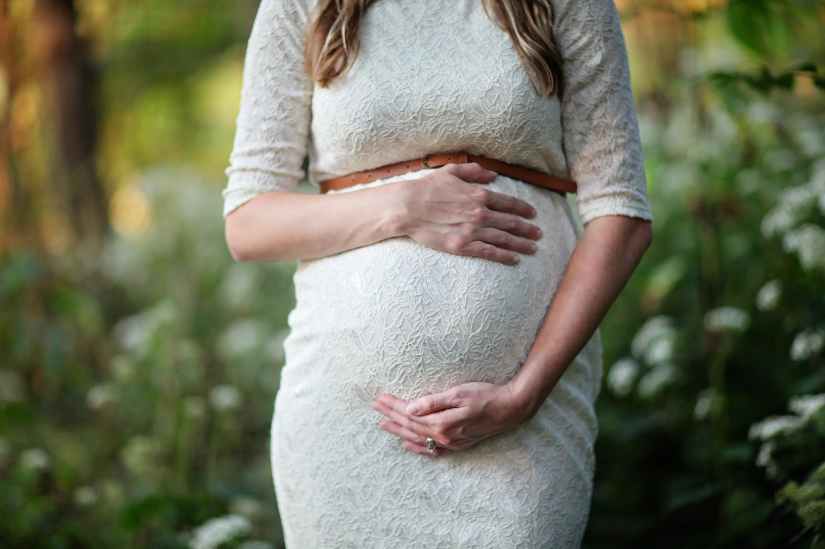
May 2022 – On the pregnancy test was this word ”pregnant” It was the most shocking, not expected, blessed day so far. From May to October I have experienced what it means to grow a baby inside you, new life given by God to us.
At the beginning of my first trimester I felt sick and tired, and all the condiments from the cupboard had to be chucked aways, the smell was too strong for me. Today
The second trimester was the best so far, it’s true that I became a foodie but I am proud to have self-control over it.
I remember when I first felt my baby’s movement, such an amazing feeling that only a Mom can describe.
We are thankful for a healthy, very active baby in my womb. As I just entered my last trimester, we are excited to meet our little munchkin in 2 months time.

#children, #development

Mary Ainsworth | The Strange Situation 

The strange situation is a standardized procedure devised by Mary Ainsworth in the 1970s to observe attachment security in children within the context of caregiver relationships. It applies to infants between the age of nine and 18 months.

The procedure involves series of eight episodes lasting approximately 3 minutes each, whereby a mother, child and stranger are introduced, separated and reunited.

John Bowlby (1969) believed that attachment was an all or nothing process. However, research has shown that there are individual differences in attachment quality. Indeed, one of the primary paradigms in attachment theory is that of the security of an individual’s attachment (Ainsworth & Bell, 1970).

Ainsworth (1970) identified three main attachment styles, secure (type B), insecure avoidant (type A) and insecure ambivalent/resistant (type C). She concluded that these attachment styles were the result of early interactions with the mother.

A fourth attachment style known as disorganized was later identified (Main, & Solomon, 1990).

Main, M., & Solomon, J. (1990). Procedures for identifying infants as disorganized/disoriented during the Ainsworth Strange Situation. In M.T. Greenberg, D. Cicchetti & E.M. Cummings (Eds.), Attachment in the Preschool Years (pp. 121–160). Chicago, University of Chicago Press.

Photo by Anna Shvets on Pexels.com
#uk, autumn season

Autumn 🍂 Days

It’s raining, a bit chilly here in the UK 🇬🇧 . But I love it! I used to dislike fall days few years ago, but since I came to the UK in 2018 I feel in love with the autumn leaves 🍁 and the pumpkins 🎃 season.

Here I am, enjoying a cup of coffee ☕️ on this autumn day.

Have a blessed day!

*pic from pinterest

altruism

The roots of altruism

Altruism – a theory of conduct that regards the good of others as the end of moral action. The term (French altruisme, derived from Latin alter, “other”) was coined in the 19th century by Auguste Comte.

Altruism in psychology

Altruism refers to behavior that benefits another individual at a cost to oneself. For example, giving your dinner, lunch away is altruistic because it helps someone who is hungry, but at a cost of being hungry yourself. Neurological, cultural, and other kinds of factors may cause some people to be more altruistic than others. So-called ”extreme altruist” they differ from others in the size of their brains’ amygdala and their responsiveness to signs of distress. External influences such as a religious reasons or socio economic status may also play a role.

Christianity And Unbelief

At its inception, the concept of altruism resonated widely in a Victorian culture saturated with moral and religious intensity. Some were attracted to Comtean positivism and its worship of humanity as an eminently respectable form of unbelief, one that combined a commitment to the sciences with a continuing religious sense and with the strong social conscience that the positivist ideology of altruism involved. On the other hand, some who were committed to a Christian view of morality and society saw in Comtean altruism a concept of the love of others that was detached both from an understanding of appropriate self-love and from the necessity of a love of God. (science.com)

“Don’t sacrifice yourself too much, because if you sacrifice too much there’s nothing else you can give and nobody will care for you.”
― Karl Lagerfeld


#children

Poftă de papanași – fără zahăr

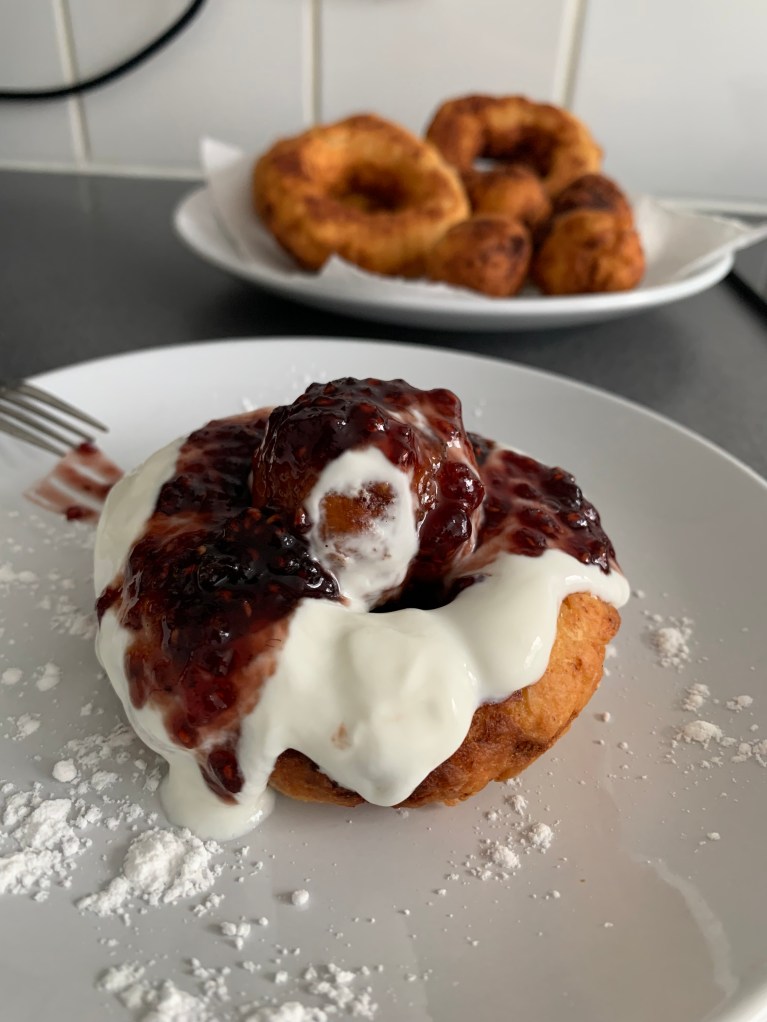
Ieri am avut poftă de papanași, așa că am trecut la treabă.

Ingrediente

  • 250g brânză dulce
  • 300g făină
  • 1 pliculeț zahăr vanilat
  • coajă de la o lămâie
  • o liguriță de praf de copt
  • 1 ou
  • 250ml ulei
  • Dulceața de care tip vreți ( eu prefer zmeură)
  • Smântănă

Am adăugat brânzica într-un bol, zahăr vanilat, ou, praf de sare, lămâie și le-am mixat cu o lingură până s-au încorporat toate ingredientele. Am împărțit compoziția în 5 papanși pe care i-am modelat în palmă sau se pot modela pe blat de lucru. Formăm gaura specifică și apoi biluța corespunzătoare. Îi prăjim în ulei pe ambele părți și apoi se servesc cu smântână și dulceața din abundență.

Să aveți pofta!

Donate for kids living in poverty in my home city Brasov, Romania

#romanian, cafea, Coffee, coffee and blessings, fog morning

Dimineți cu ceață

Buna dimineața, lume!

Mirosul cafelei, si a micului dejun…

Ultima zi de weekend, pentru unii si pentru alții îi ultima zi de munca dintr-un șir de 5 dimineți.

În această dimineață m-am trezit în ceață, și la propriu și la figurat. Am plecat spre muncă la ora 06:45AM, cu cafeaua în cana mea de drum, ceață deasă și cafea prea amară, un gust ciudat. No acuma sunt un pic “în ceață” dar ce am făcut eu la cafeaua asta!!?? Cred ca am adăugat prea multa cafea, aaa nuu, nu prea mult lapte sau prea puțin…

No pai, orice o fi fost, nu o fost, așa ca am renunțat la cafea pe ziua de azi. Dar gândul mă duce la Costa, Starbucks si alte cafenele care acum sunt deschise si au cafea, oare să mi au 5min pauza de la muncă si să merg la cafenea, sa scot cardul si să dau £4 pe cana de cafea, sunt un pic în “ceață”. La mine la munca, avem cafea, dar instant coffee.. yuck.

Afară încă e ceață.

La voi cum e vremea, sau/si cafeaua!?

Duminica plăcuta!