#children, #copiii, #development, Pregnancy

Pregnancy journey

“'For I know the plans I have for you,' declares the Lord, 'plans to prosper you and not to harm you, plans to give you a hope and a future. '” — Jeremiah 29:11

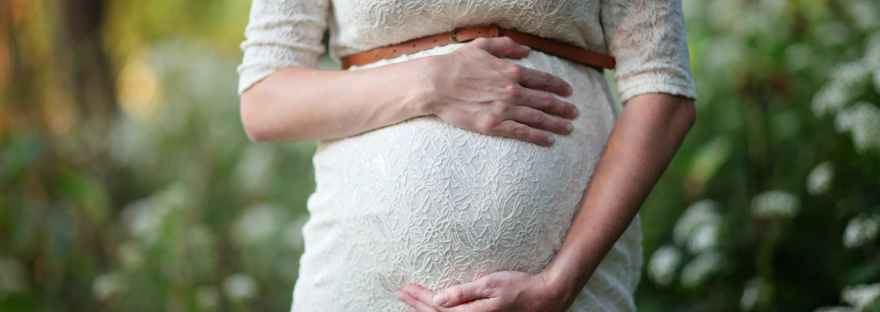
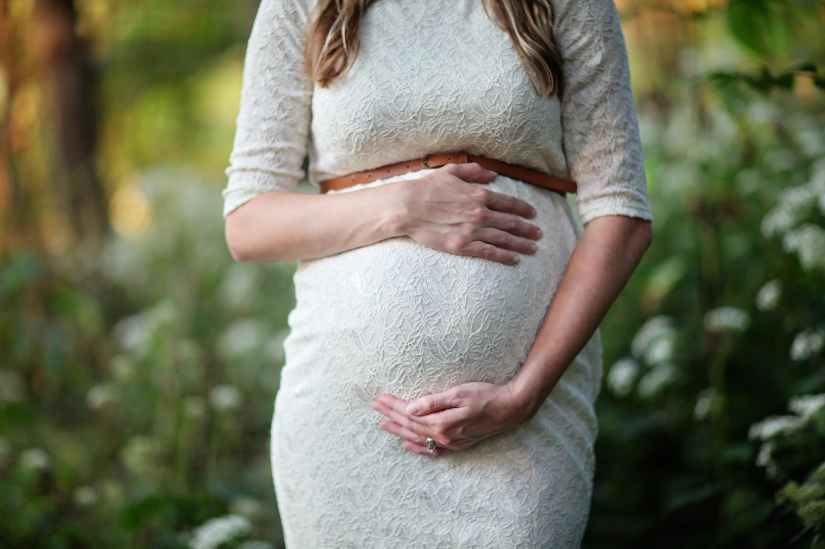
May 2022 – On the pregnancy test was this word ”pregnant” It was the most shocking, not expected, blessed day so far. From May to October I have experienced what it means to grow a baby inside you, new life given by God to us.
At the beginning of my first trimester I felt sick and tired, and all the condiments from the cupboard had to be chucked aways, the smell was too strong for me. Today
The second trimester was the best so far, it’s true that I became a foodie but I am proud to have self-control over it.
I remember when I first felt my baby’s movement, such an amazing feeling that only a Mom can describe.
We are thankful for a healthy, very active baby in my womb. As I just entered my last trimester, we are excited to meet our little munchkin in 2 months time.

#children, #development

Mary Ainsworth | The Strange Situation 

The strange situation is a standardized procedure devised by Mary Ainsworth in the 1970s to observe attachment security in children within the context of caregiver relationships. It applies to infants between the age of nine and 18 months.

The procedure involves series of eight episodes lasting approximately 3 minutes each, whereby a mother, child and stranger are introduced, separated and reunited.

John Bowlby (1969) believed that attachment was an all or nothing process. However, research has shown that there are individual differences in attachment quality. Indeed, one of the primary paradigms in attachment theory is that of the security of an individual’s attachment (Ainsworth & Bell, 1970).

Ainsworth (1970) identified three main attachment styles, secure (type B), insecure avoidant (type A) and insecure ambivalent/resistant (type C). She concluded that these attachment styles were the result of early interactions with the mother.

A fourth attachment style known as disorganized was later identified (Main, & Solomon, 1990).

Main, M., & Solomon, J. (1990). Procedures for identifying infants as disorganized/disoriented during the Ainsworth Strange Situation. In M.T. Greenberg, D. Cicchetti & E.M. Cummings (Eds.), Attachment in the Preschool Years (pp. 121–160). Chicago, University of Chicago Press.

Photo by Anna Shvets on Pexels.com
#children

Poftă de papanași – fără zahăr

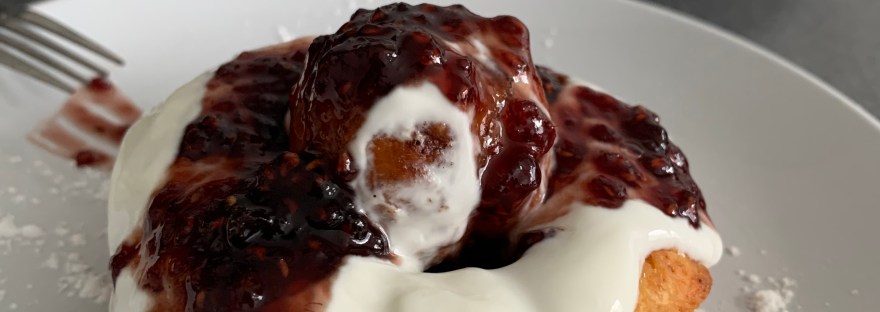
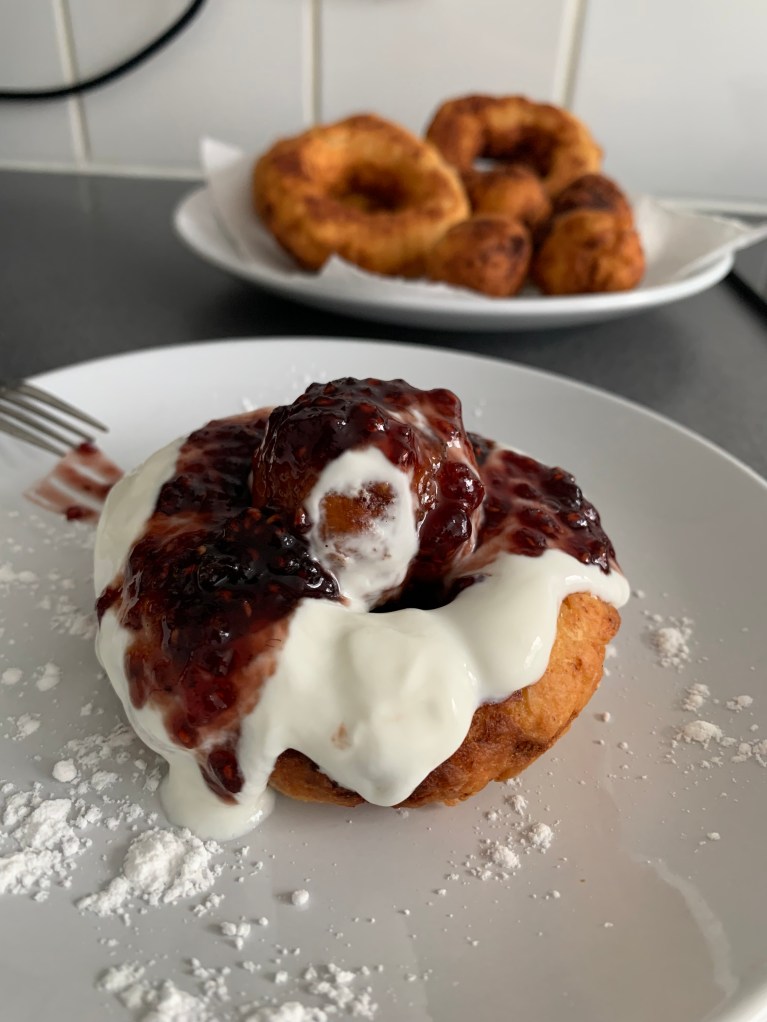
Ieri am avut poftă de papanași, așa că am trecut la treabă.

Ingrediente

  • 250g brânză dulce
  • 300g făină
  • 1 pliculeț zahăr vanilat
  • coajă de la o lămâie
  • o liguriță de praf de copt
  • 1 ou
  • 250ml ulei
  • Dulceața de care tip vreți ( eu prefer zmeură)
  • Smântănă

Am adăugat brânzica într-un bol, zahăr vanilat, ou, praf de sare, lămâie și le-am mixat cu o lingură până s-au încorporat toate ingredientele. Am împărțit compoziția în 5 papanși pe care i-am modelat în palmă sau se pot modela pe blat de lucru. Formăm gaura specifică și apoi biluța corespunzătoare. Îi prăjim în ulei pe ambele părți și apoi se servesc cu smântână și dulceața din abundență.

Să aveți pofta!

Donate for kids living in poverty in my home city Brasov, Romania

#children

Giving Tuesday

GivingTuesday was born and incubated at the 92nd Street Y and its Belfer Center for Innovation & Social Impact in New York City. 

  • Give, and it will be given to you. A good measure, pressed down, shaken together and running over, will be poured into your lap. For with the measure you use, it will be measured to you. Luke 6:38

I love generous people, they are my kind of people. Generosity comes from a blessed, happy heart.

For me is more important to give than to receive. Every Christmas Year we give to people in need, their children’s smile remains in my heart all year round.

Donations for poor children- Christmas time 🎅🏽

#children, child development, Psychology, self-confidence

Self-Confidence

The quality of being certain of your abilities or of having trust in peopleplans, or the future.

Without confidence, we can’t do things like committing to something, sticking to our decisions, and taking calculated risks. You can’t work well if you keep second-guessing your actions. (William James) “Father of American psychology”

Being confident in all areas of your life is the key that opens many doors. Unfortunately, not many of us are aces when it comes to confidence, but the most important is to practice it every day. Be confident, smart, humble, open-minded.

Self-confidence in child development

They feel confident and secure, they’re more likely to succeed in school and achieve personal goals. As they get older, they learn to confront problems and resist peer pressure. More important, having a positive self-image helps a child feel happy and capable of maintaining personal relationships. Keep up the good work, parents!